

ASRS Automation: Transform Your Warehouse in 2026
Share on
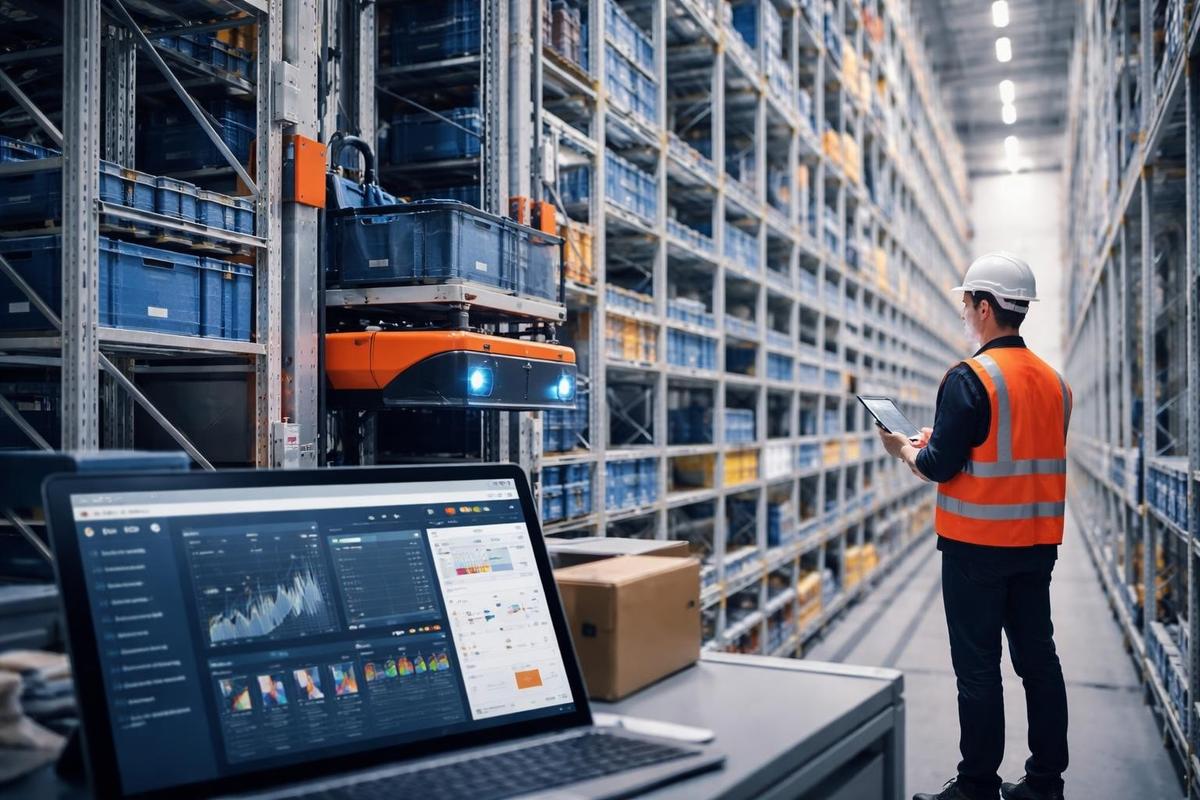
Modern warehouses face unprecedented pressure to operate faster, smarter, and more efficiently than ever before. As e-commerce demands surge and labour markets tighten, businesses across logistics, distribution, and manufacturing sectors are turning to asrs automation to revolutionise their storage and retrieval processes. These intelligent systems represent a fundamental shift from traditional warehousing methods, combining robotics, software intelligence, and mechanical precision to create highly efficient operations that scale with business growth.
Understanding ASRS Automation Technology
Automated Storage and Retrieval Systems have evolved from simple mechanised solutions into sophisticated technology platforms that form the backbone of modern warehouse operations. ASRS automation refers to computer-controlled systems that automatically place and retrieve loads from defined storage locations, eliminating manual handling and dramatically improving operational efficiency.
The core architecture consists of several integrated components working in harmony:
- Storage structures designed for high-density vertical space utilization
- Automated retrieval mechanisms including shuttles, cranes, and robotic systems
- Warehouse management software that orchestrates inventory flow and task prioritisation
- Control systems providing real-time monitoring and system coordination
- Safety protocols ensuring secure operation alongside human workers
Unlike conventional storage methods that rely heavily on manual labour and horizontal space expansion, asrs automation optimises vertical capacity while reducing the physical footprint required for inventory storage. This three-dimensional approach to warehousing fundamentally changes how businesses think about facility layout and operational design.
Key Technology Types in Modern Systems
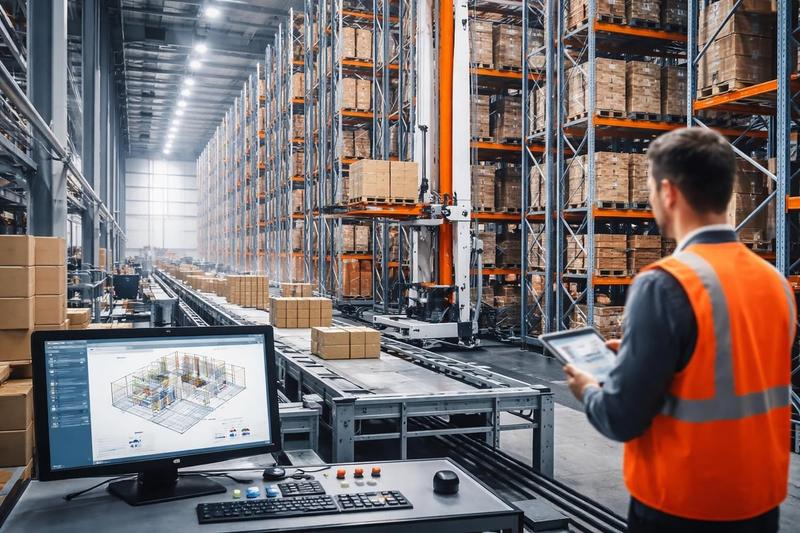
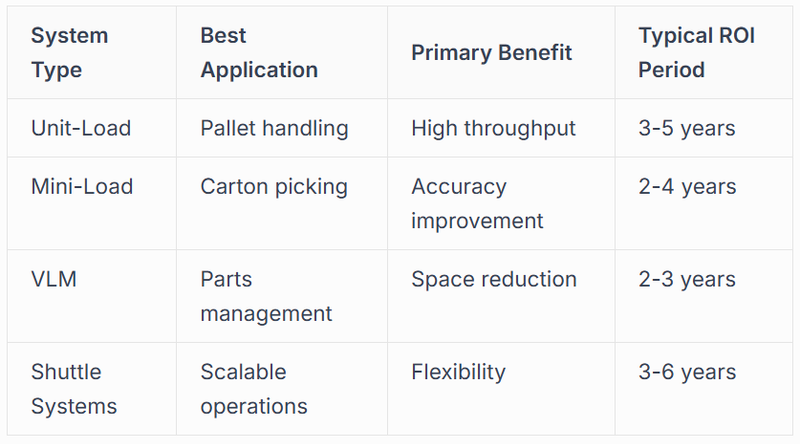
The warehouse automation landscape offers six distinct types of ASRS solutions, each engineered for specific operational requirements. Unit-load systems handle palletised goods with high-speed stacker cranes, ideal for distribution centres managing bulk inventory. Mini-load systems work with totes and cartons, perfect for piece-picking operations in e-commerce fulfillment.
Vertical Lift Modules (VLMs) deliver items to operators at ergonomic heights, while horizontal carousels rotate inventory to picking stations with precision timing. Vertical carousels maximise ceiling height in facilities with limited floor space, and shuttle-based systems offer exceptional scalability through modular grid configurations.
Operational Benefits Driving Adoption
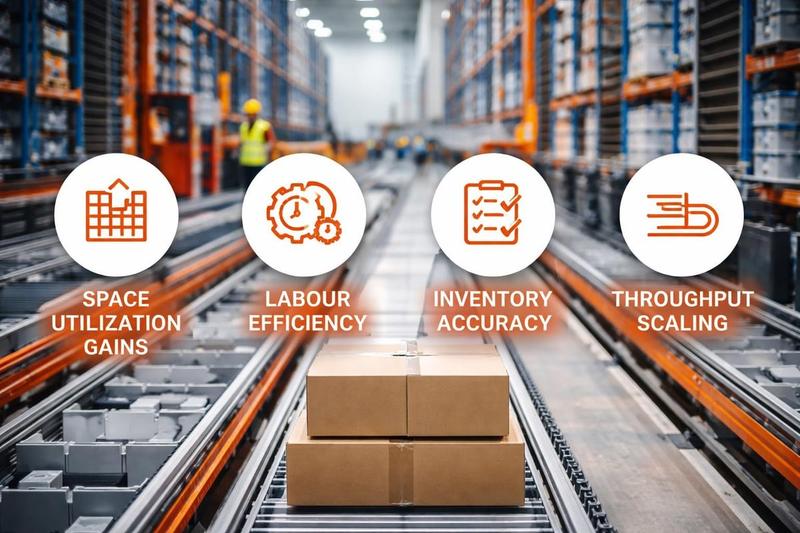
Warehouses implementing asrs automation consistently report transformative improvements across multiple performance metrics. Space utilization typically improves by 40-85% as vertical storage replaces sprawling horizontal layouts, allowing businesses to defer costly facility expansions or consolidate multiple sites into single, more efficient locations.
Labour efficiency sees dramatic gains through task automation and workload optimization. Rather than walking kilometres daily to retrieve items, warehouse staff focus on value-added activities while automated systems handle repetitive storage and retrieval tasks. This shift becomes particularly valuable as ASRS addresses persistent labour shortages affecting the logistics sector globally.
Accuracy and Inventory Control
Inventory accuracy rates exceeding 99.9% become standard with asrs automation, virtually eliminating the picking errors that plague manual operations. Real-time tracking ensures precise visibility into stock locations, quantities, and movement histories. This level of control reduces safety stock requirements, minimises obsolescence, and enables just-in-time inventory strategies that improve cash flow.
Throughput capabilities scale predictably with system design, supporting seasonal peaks without temporary labour recruitment. A well-configured ASRS handles consistent workloads 24/7, maintaining performance levels impossible for manual operations. Peak periods that previously required doubled staffing now operate smoothly within existing system capacity.
The benefits extend beyond operational metrics to workplace safety improvements. Reducing manual handling of heavy items, eliminating high-level access requirements, and removing forklift traffic from storage aisles creates substantially safer working environments with lower injury rates and reduced workers' compensation costs.
Implementation Considerations and Best Practices
Successful asrs automation deployment requires careful planning and strategic decision-making aligned with business objectives. The initial assessment phase examines current operational patterns, inventory characteristics, order profiles, and growth projections to determine the most suitable system architecture.
Product analysis forms a critical foundation. Understanding SKU velocity, dimensional characteristics, weight ranges, and storage requirements ensures the selected system matches actual operational needs. High-velocity items require different handling strategies than slow-moving inventory, and systems must accommodate the full spectrum efficiently.
Avoiding Common Implementation Pitfalls
Many organisations fall prey to common misconceptions about ASRS systems that can derail projects or limit performance. The belief that automation only suits large operations prevents smaller businesses from accessing technology that could transform their competitiveness. Modern modular systems scale from compact installations to massive facilities, offering entry points for various business sizes.
Integration planning determines long-term success. ASRS automation must connect seamlessly with existing warehouse management systems, enterprise resource planning platforms, and transportation management software. Data flow between systems enables the orchestration that drives efficiency gains, making technical architecture decisions as important as mechanical system selection.
Following established guidelines helps navigate the complexity. Best practices for ASRS deployment emphasize thorough needs assessment, realistic timeline development, comprehensive training programs, and phased implementation approaches that minimise operational disruption.
Change management often determines whether technology investments deliver promised returns. Warehouse teams need clear communication about how automation affects their roles, comprehensive training on new processes, and ongoing support during transition periods. Successfully managing the human element proves as crucial as technical implementation quality.
Technology Integration and System Architecture
Modern asrs automation functions as part of a broader warehouse automation ecosystem rather than operating in isolation. Goods-to-person systems combine ASRS storage with robotic delivery mechanisms that bring inventory to picking stations, creating highly efficient fulfillment workflows. This integration eliminates travel time and optimizes operator productivity through continuous task presentation.
Software intelligence drives system performance through sophisticated algorithms that optimize storage locations, sequence retrieval tasks, and balance workload distribution. Machine learning capabilities enable systems to adapt to changing demand patterns, automatically adjusting storage strategies and retrieval priorities based on actual operational data.
The goods-to-person approach represents a paradigm shift in warehouse design, where inventory moves to stationary workers rather than workers traveling to inventory locations. This reversal fundamentally changes facility layout requirements, equipment selection, and operational workflows.
Connectivity and Data Analytics
Real-time connectivity enables predictive maintenance capabilities that reduce downtime and extend equipment lifespan. Sensors throughout ASRS installations monitor performance parameters, identifying potential issues before failures occur. This proactive approach maintains system availability at levels exceeding 99%, ensuring reliable operations during critical business periods.
Analytics platforms transform operational data into actionable insights. Tracking metrics such as storage density, retrieval cycle times, system utilization rates, and throughput patterns reveals optimization opportunities and validates performance against business objectives. Dashboard visibility gives operations managers the information needed for continuous improvement initiatives.
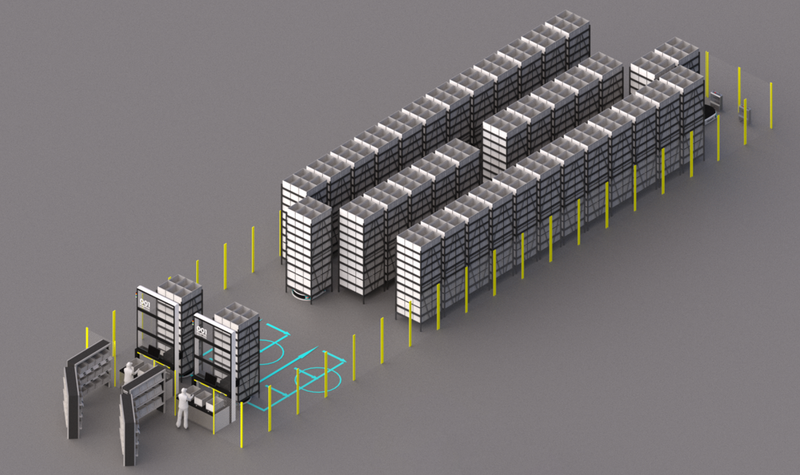
For businesses starting their automation journey, scalable entry solutions provide practical pathways to advanced capabilities. The Automate-X GTP Starter Grid offers small and medium operations an accessible approach to implementing goods-to-person automation, combining ASRS principles with modular design that grows alongside business needs.
Industry-Specific Applications
Different sectors leverage asrs automation to address unique operational challenges and regulatory requirements. E-commerce fulfillment operations utilize high-speed mini-load systems to support rapid order processing and same-day shipping commitments. The ability to pick and pack hundreds of orders hourly transforms competitive positioning in markets where delivery speed drives customer satisfaction.
Third-party logistics providers deploy flexible ASRS configurations that accommodate diverse client requirements within shared facilities. Multi-tenant system designs enable separate inventory management while maximizing overall space efficiency. This versatility allows 3PL operations to serve multiple customers profitably without facility multiplication.
Specialized Environmental Requirements
Pharmaceutical warehousing benefits from the precise environmental control and security that ASRS installations provide. Climate-controlled storage zones maintain consistent temperatures for sensitive medications, while automated access logging ensures complete traceability for regulatory compliance. The reduced human presence in storage areas minimizes contamination risks and maintains sterile conditions.
Cold storage operations achieve substantial energy savings through asrs automation that minimizes door openings and reduces the conditioned space volume required. Automated systems operate reliably in freezer environments where human productivity suffers, maintaining throughput levels impossible with manual methods. The rapid retrieval capabilities also reduce product exposure to temperature fluctuations during picking processes.
Manufacturing facilities integrate ASRS with production lines to create seamless material flow from receiving through production and finished goods storage. Just-in-time component delivery to assembly stations reduces work-in-process inventory while ensuring materials availability precisely when needed. This synchronization improves manufacturing efficiency and reduces carrying costs.
Food and beverage operations navigate strict FIFO requirements and expiration date management through automated systems that enforce rotation protocols without manual intervention. Traceability features track lot numbers throughout storage and retrieval processes, enabling rapid response to quality issues or recall situations.
Financial Considerations and ROI Analysis
Investment in asrs automation requires thorough financial analysis balancing capital expenditure against operational savings and strategic benefits. Direct cost reductions come from decreased labour requirements, reduced facility space needs, lower inventory carrying costs, and minimized product damage. These quantifiable savings typically drive ROI calculations and justify initial investment.
Indirect benefits often prove equally valuable but require more sophisticated analysis. Improved customer service through faster order fulfillment, enhanced inventory accuracy, and increased flexibility to handle volume fluctuations create competitive advantages that support revenue growth and market share expansion.
Typical implementation budgets vary widely based on system scale, complexity, and facility conditions:
- Small modular systems: $200,000 to $800,000
- Medium installations: $1 million to $5 million
- Large integrated facilities: $10 million to $50 million+
Payback periods generally range from two to five years depending on labour cost structures, throughput volumes, and facility economics. Operations with high labour costs, expensive real estate, or rapid growth trajectories typically achieve faster returns.
Total Cost of Ownership
Comprehensive financial modeling includes ongoing costs such as maintenance contracts, software licensing, energy consumption, and periodic system upgrades. Annual maintenance typically runs 8-12% of initial capital investment, though this varies with system complexity and usage intensity. Planning for technology refresh cycles ensures systems remain competitive as capabilities evolve.
Financing options have expanded to make asrs automation more accessible. Equipment leasing, automation-as-a-service models, and performance-based payment structures reduce upfront capital requirements while aligning costs with operational benefits. These alternatives particularly benefit businesses managing capital constraints or preferring operational expense structures.
Future Trends Shaping ASRS Evolution
Emerging technologies continue advancing asrs automation capabilities and expanding application possibilities. Artificial intelligence enables autonomous decision-making that optimizes storage strategies, predicts demand patterns, and adapts to changing operational conditions without human intervention. Machine learning algorithms continuously improve performance through experience, creating systems that become more efficient over time.
Collaborative robotics integration brings flexibility to retrieval and picking processes, enabling systems to handle greater product variety and accommodate exceptions that previously required manual intervention. Advanced robotic arms working within automated warehouses demonstrate the convergence of technologies creating increasingly autonomous operations.
Cloud-based control systems replace on-premises infrastructure, offering improved scalability, remote monitoring capabilities, and seamless software updates. This architectural shift reduces IT overhead while enabling advanced analytics and integration with broader supply chain systems.
Sustainability considerations drive design evolution toward energy-efficient components, regenerative braking systems, and intelligent power management. Warehouse automation increasingly contributes to corporate environmental goals through reduced energy consumption, optimized space utilization, and minimized product waste.
The trajectory points toward increasingly intelligent, flexible, and integrated systems that adapt dynamically to business needs while requiring less human oversight. As technology costs decline and capabilities expand, asrs automation becomes viable for progressively smaller operations, democratizing access to capabilities once reserved for industry giants.
ASRS automation represents a proven pathway to warehouse transformation, delivering measurable improvements in space utilization, labour efficiency, inventory accuracy, and operational throughput. Whether managing rapid e-commerce growth, addressing labour challenges, or pursuing competitive advantage through operational excellence, automated storage and retrieval systems provide the foundation for sustainable success in 2026 and beyond. Automate-X combines robotics expertise, warehouse software integration, and proven implementation methodology to help logistics and supply chain businesses across Australia and New Zealand navigate their automation journey with confidence and achieve scalable operational growth.