


Essential Guide to Automated Packaging Solutions 2026
Share on
In today’s fast-paced global marketplace, businesses face rising pressure from labour shortages, increasing costs, and growing consumer expectations for efficiency. The packaging landscape is evolving rapidly, making it crucial to stay ahead of the curve.
This essential guide dives into the world of automated packaging solutions in 2026, helping decision-makers navigate cutting-edge technologies and unlock new opportunities for productivity, accuracy, and scalability. With automation transforming packaging lines, the right investment can future-proof your operations.
Discover the latest trends, core technologies, industry-specific applications, step-by-step adoption strategies, integration with warehouse automation, and key considerations for long-term success. Explore this guide to make informed decisions and lead your business confidently into the future.
The State of Automated Packaging Solutions in 2026
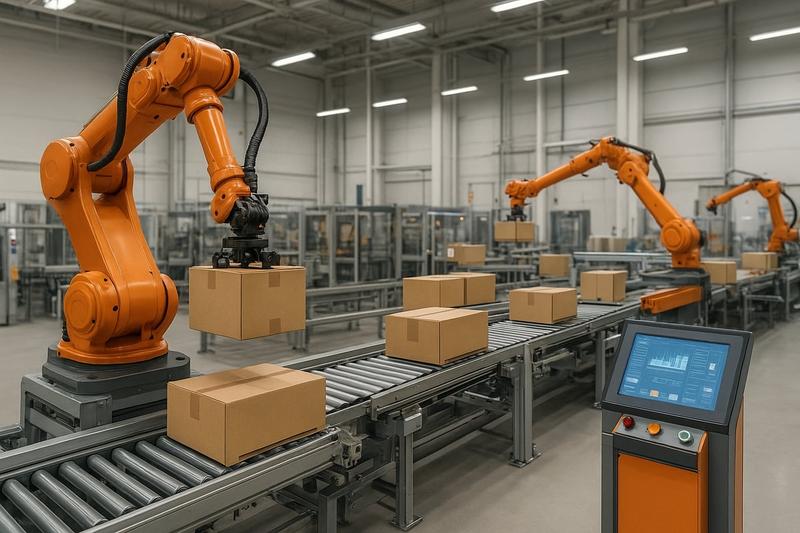
In 2026, automated packaging solutions are shaping new benchmarks for speed, efficiency, and reliability across global supply chains. Businesses are responding to mounting labour shortages, rising costs, and shifting consumer expectations by accelerating their adoption of advanced automation. Let us explore the current landscape of automated packaging solutions, key trends, compliance requirements, challenges, and what the future holds.
Market Overview and Growth Drivers
The global market for automated packaging solutions has experienced robust growth, with industry reports projecting double-digit expansion through 2026. Labour shortages and the ongoing e-commerce surge are key drivers, pushing manufacturers to seek more efficient, resilient systems. Sustainability pressures are also leading companies to automate for reduced waste and better material usage.
COVID-19 and continued supply chain disruptions have highlighted the need for flexibility, resulting in a clear shift from manual to automated packaging solutions across manufacturing, logistics, and FMCG sectors. Regional adoption varies, with North America and Asia-Pacific leading in investment. For example, major logistics providers in these regions have reduced turnaround times significantly using automation. According to Global automated packaging market growth, the market will continue to expand as businesses prioritise resilience and efficiency.
Emerging Trends and Innovations
Innovations in automated packaging solutions are rapidly changing the industry landscape. The rise of AI-powered packaging lines enables real-time decision-making and process optimisation. Robotics adoption is growing, with flexible, multi-format packaging now accessible for a wider range of products. IoT sensors are increasingly used for predictive maintenance and quality control, minimising downtime and improving consistency.
Sustainability remains a top priority, with more automated packaging solutions incorporating eco-friendly materials and minimal-waste designs. Remote monitoring and cloud-based management further streamline operations. In 2026, over 60 percent of new packaging lines will feature some form of AI integration, reflecting the industry's commitment to continual improvement.
Regulatory and Compliance Considerations
Automated packaging solutions must navigate a complex regulatory environment. Food safety and pharmaceutical regulations are evolving, demanding higher standards for traceability and serialization. Compliance with global standards such as ISO, FDA, and EU MDR is essential for businesses operating internationally.
Environmental regulations are influencing packaging design, requiring automation systems to handle recyclable and compostable materials efficiently. Data security is a growing concern, as connected systems become more prevalent. For example, New Zealand’s push for sustainable packaging by 2025 highlights the need for automated packaging solutions that simplify compliance documentation and auditing, supporting both regulatory and sustainability goals.
Barriers and Challenges
Despite the clear benefits, some barriers hinder the widespread adoption of automated packaging solutions. High upfront investment and uncertainty around ROI can slow decision-making. Integrating new automation with legacy systems and existing workflows often presents technical challenges.
A skills gap persists, with a shortage of trained automation technicians. Cybersecurity risks are rising as more packaging lines are connected to enterprise networks. Resistance to change among staff and management can also impact project success. For example, SME packaging lines can struggle with customisation costs. Overcoming these hurdles requires phased rollouts, targeted training, and strong stakeholder engagement.
Future Outlook
Looking ahead, the future of automated packaging solutions is bright. Next-generation robotics and AI are set to deliver even greater efficiency and adaptability. Hyper-personalisation and on-demand packaging will become more common, driven by consumer demand for customised products.
Modular, plug-and-play automation systems will enable businesses to scale and reconfigure operations quickly. Data analytics will play an increasingly important role in optimising packaging performance and reducing waste. The convergence of packaging, warehousing, and logistics automation will create seamless, fully autonomous facilities. Early adopters of advanced automated packaging solutions will set new industry standards for efficiency, agility, and resilience.
Core Technologies in Automated Packaging
Modern automated packaging solutions rely on a suite of advanced technologies that transform the speed, accuracy, and flexibility of packaging lines. Understanding these core systems is vital for businesses seeking to future-proof their operations and maintain a competitive edge in 2026.
Robotics and Cobots in Packaging
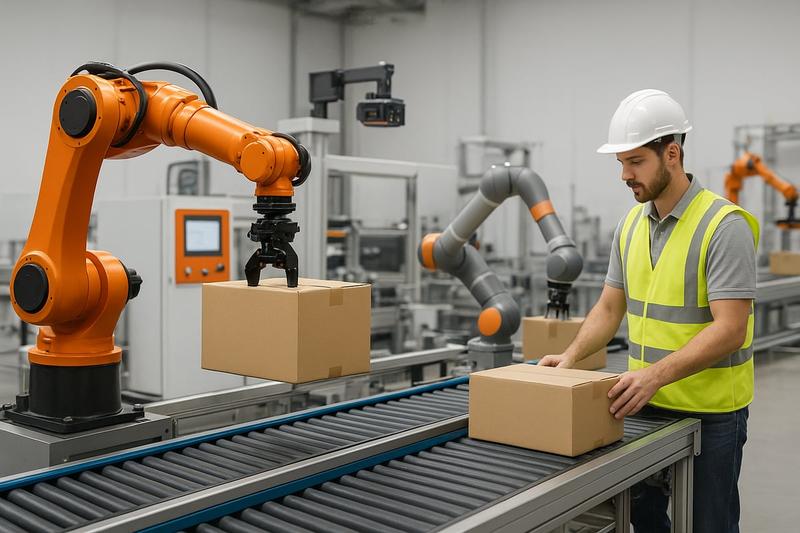
Robotics are at the heart of automated packaging solutions, driving efficiency in pick-and-place, case packing, and palletising. From articulated arms to delta robots and SCARA, these machines handle repetitive tasks at high speed. Cobots, or collaborative robots, safely work alongside human operators, lowering the entry barrier for SMEs.
Adoption of robotics in packaging has grown by 14 percent CAGR from 2022 to 2026, according to industry data. For a deeper dive into real-world robotics systems, see Robotics in Packaging Automation. Robotics enable rapid reconfiguration for new products, supporting businesses that need flexible automated packaging solutions.
Automated Form, Fill, and Seal Systems
Automated packaging solutions often depend on form, fill, and seal (FFS) systems to streamline processes like bagging, pouching, and vacuum sealing. These systems come in vertical and horizontal formats and can integrate with weighing and dosing equipment for precise results.
FFS machines can now handle up to 120 bags per minute, making them essential for high-volume industries such as snack foods. By reducing material waste and ensuring consistent pack quality, automated packaging solutions with FFS technology lay the groundwork for modern, scalable lines.
Vision Inspection and Quality Control
Machine vision systems play a crucial role in automated packaging solutions by providing real-time defect detection, label verification, and seal inspection. AI-powered cameras analyse products and packaging for inconsistencies, allowing for immediate correction and reducing costly recalls.
Vision technology can cut manual inspection time by 80 percent while enhancing regulatory compliance and brand protection. By integrating vision inspection into automated packaging solutions, businesses achieve higher quality and improved consumer trust.
Intelligent Conveyors and Material Handling
Intelligent conveyors are the backbone of material flow within automated packaging solutions. Modular conveyor systems can route products dynamically, synchronising movement for just-in-time packing and reducing bottlenecks.
Integration with Automated Guided Vehicles (AGVs) and Autonomous Mobile Robots (AMRs) streamlines the transport of goods between packaging, storage, and shipping. These smart conveyors can boost throughput by up to 25 percent, making them indispensable for efficient, end-to-end automated packaging solutions.
Integrated Packaging Software and Data Analytics
The brains behind advanced automated packaging solutions are software systems such as Warehouse Management Systems (WMS) and Manufacturing Execution Systems (MES). These platforms provide real-time monitoring, OEE tracking, and predictive maintenance.
Cloud-based dashboards enable remote management and quick decision-making. Data-driven packaging lines achieve up to 15 percent higher uptime, as analytics highlight inefficiencies and support ongoing process optimisation. Robust integration of software ensures automated packaging solutions remain agile and productive.
Sustainable Packaging Automation
Sustainability is now a core requirement for automated packaging solutions. Machines are designed for rapid changeovers between recyclable, compostable, and minimal packaging materials. Automated lines can switch seamlessly from plastic to paper substrates, supporting both regulatory compliance and consumer demand.
In 2026, 70 percent of new packaging machines support sustainable formats, accelerating green initiatives. Automated packaging solutions make it easier for businesses to meet sustainability targets while maintaining operational efficiency and brand reputation.
Step-by-Step Guide to Adopting Automated Packaging Solutions
Adopting automated packaging solutions in 2026 is a strategic journey that requires careful planning and cross-functional collaboration. This guide breaks down each phase to help your business transition smoothly, maximise investment, and future-proof your packaging operations.

Assessing Operational Needs and Readiness
Before investing in automated packaging solutions, start with an in-depth assessment of your current operations. Map workflows, analyse volumes, and pinpoint bottlenecks that slow down your packaging lines.
Bring together teams from production, logistics, and maintenance to gather insights on pain points. For example, a seasonal surge may reveal packing delays that manual processes cannot handle efficiently.
A thorough audit often uncovers hidden inefficiencies that impact productivity. In fact, industry studies show up to 40% of businesses underestimate these issues. By understanding your needs upfront, you set a strong foundation for successful adoption of automated packaging solutions.
Building a Business Case and ROI Analysis
Quantifying the value of automated packaging solutions is essential for stakeholder buy-in. Calculate potential labour savings, productivity improvements, and reductions in material waste.
Factor in costs for maintenance, training, and equipment lifecycle. Many businesses achieve payback within 1.5 to 3 years, but intangible benefits like improved safety and quality are just as important. For a deeper dive into budgeting and payback calculations, explore Optimising Your Automation Budget.
An ROI-driven approach ensures your investment in automated packaging solutions aligns with long-term business objectives. Presenting a clear, data-backed case helps secure approval and sets measurable expectations.
Selecting the Right Automation Partner
Choosing a reliable partner is crucial when implementing automated packaging solutions. Evaluate suppliers based on their experience, technology portfolio, and after-sales support.
Look for industry-specific expertise and proven integration capabilities with your existing systems. Ask for references and review case studies to understand their track record. Notably, 65% of failed automation projects cite poor partner alignment as a key issue.
A strong partnership accelerates deployment and maximises ROI from automated packaging solutions. Prioritise transparency, regional support, and a shared commitment to your business goals.
Solution Design and Customisation
Customising automated packaging solutions to your product range and operational requirements is vital. Map out all packaging formats, SKUs, and future growth projections.
Design systems for scalability and flexibility, enabling rapid changeovers for new materials or sizes. For example, modular lines support multi-product manufacturing and reduce downtime by up to 30%.
Involve frontline operators in design reviews to ensure practicality and ease of use. Well-tailored solutions deliver lasting value and adapt as your business evolves, making automated packaging solutions a long-term asset.
Implementation and Change Management
Rolling out automated packaging solutions can be phased or full-scale, depending on your risk tolerance and operational complexity. Training is essential—equip staff with new skills and safety protocols for working alongside automation.
Manage disruptions by scheduling installations during low-volume periods. Celebrate early successes to build momentum and encourage adoption across teams. Studies show effective change management increases project success rates by 70%.
Remember, technology is only part of the equation. Engaged people are just as critical to the success of automated packaging solutions.
Performance Monitoring and Continuous Improvement
Once automated packaging solutions are live, set clear KPIs such as throughput, uptime, quality, and waste reduction. Use real-time monitoring tools and data analytics to identify and address root causes of issues.
Schedule regular performance reviews to drive incremental improvements. For example, monthly reviews can uncover trends or minor disruptions that, when addressed, boost productivity by 10–20% annually.
Automation is not a one-off project but a continuous journey. Fostering a culture of innovation and feedback ensures your automated packaging solutions remain a competitive advantage.
Integration with Warehouse and Supply Chain Automation
Adopting automated packaging solutions in 2026 means thinking beyond the packaging line. True efficiency comes from integrating packaging with warehouse and supply chain automation. Businesses ready to future-proof operations must ensure seamless data, product, and process flow from packaging through to order fulfilment and dispatch.
End-to-End Automation: Packaging to Fulfilment
Modern supply chains demand that automated packaging solutions connect directly with warehouse and fulfilment systems. This integration ensures products move efficiently from the packaging line to storage or dispatch, eliminating manual handoffs.
For example, leading distribution centres now link automated packaging lines to automated storage and retrieval systems (ASRS). This setup enables seamless data flow, so each packaged item is instantly tracked and routed for shipping.
Industry data shows that end-to-end automation can reduce order cycle times by up to 35 percent. The result is faster delivery, fewer errors, and a significant boost in customer satisfaction.
Fully integrated automated packaging solutions maximise ROI. They help businesses adapt rapidly to market demands while maintaining reliability across the supply chain.
Synchronising Packaging with Inventory and Order Management
Synchronising automated packaging solutions with inventory and order management systems is crucial for operational agility. Real-time updates ensure that every packaged item is immediately reflected in inventory counts and order status.
This coordination allows for automated order picking and packing, reducing the risk of stockouts and over-packing. Integration with ERP and warehouse management system (WMS) platforms enables dynamic order batching, so high-priority orders are packed and shipped first.
E-commerce operations benefit especially from this approach, supporting just-in-time production and dispatch. Studies indicate that synchronised systems can cut stockouts by 20 percent, helping businesses stay responsive to customer needs.
By connecting automated packaging solutions to inventory systems, companies enable smarter, data-driven decisions and optimise the entire fulfilment process.
Role of Robotics in Packaging and Material Flow
Robotics play a pivotal role in bridging automated packaging solutions with warehouse and logistics operations. Automated guided vehicles (AGVs) and autonomous mobile robots (AMRs) efficiently move packaged goods from the end of the packaging line to storage or shipping areas.
Robotic palletisers and depalletisers handle repetitive, heavy tasks, minimising manual labour and reducing the risk of injury. For cold storage environments, robots can safely transport goods in low-temperature zones, maintaining product integrity.
A recent industry report highlights that robotics can halve manual handling injuries. Flexible deployment of robots also supports seasonal peaks, ensuring consistent throughput.
Integrating robotics with automated packaging solutions not only streamlines material flow but also improves workplace safety and scalability.
Data Integration and Visibility Across the Supply Chain
Data integration is at the core of next-generation automated packaging solutions. Unified dashboards provide real-time visibility across packaging, warehousing, and shipping operations.
Predictive analytics help anticipate packaging needs, optimise resource allocation, and improve demand planning accuracy by an estimated 25 percent. FMCG brands, for instance, leverage integrated data platforms to adjust packaging output in response to fluctuating demand.
With traceability from packaging through delivery, businesses can quickly identify and resolve issues. This proactive approach reduces waste, prevents bottlenecks, and enhances customer trust.
Data-driven automated packaging solutions empower companies to make informed decisions, drive continuous improvement, and stay ahead in a competitive market.
Intelligent Warehouse Automation Solutions by Automate-X
Automate-X offers advanced automated packaging solutions tailored for logistics, 3PL, e-commerce, and manufacturing sectors. Their systems combine robotics, ASRS, conveyor integration, and packaging line automation for end-to-end efficiency.
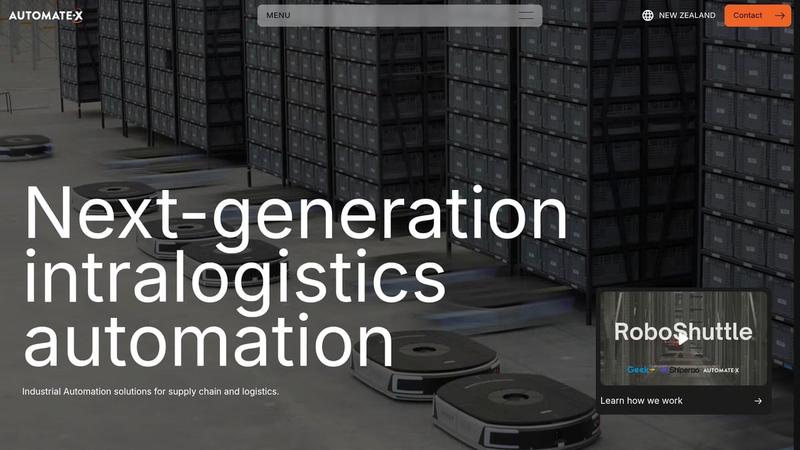
Seamless integration with WMS and warehouse control systems ensures real-time data connectivity and process control. The benefits include higher throughput, reduced manual labour, and improved safety.
A New Zealand-based 3PL recently achieved a 40 percent productivity gain by integrating automated packaging solutions with warehouse automation from Automate-X. Unique selling points include custom solutions, regional expertise, and comprehensive project management.
Automate-X is ideal for businesses aiming to future-proof operations and embrace scalable growth in 2026 and beyond.
Overcoming Integration Challenges
Despite the advantages of automated packaging solutions, integration can present challenges. Legacy system compatibility, data security, and cross-departmental collaboration are common hurdles.
For example, manufacturing sites upgrading both packaging and warehouse systems often encounter initial data silos, with 55 percent of integration projects reporting such issues. Early planning, clear vendor collaboration, and pilot projects are essential for overcoming these obstacles.
Phased rollouts and ongoing staff training help mitigate disruptions and build internal confidence. By addressing these challenges head-on, businesses can unlock the full potential of integrated automated packaging solutions and achieve long-term operational success.
Industry-Specific Applications and Case Studies
Automated packaging solutions are transforming how diverse industries operate in 2026. Each sector faces unique challenges, but the drive for efficiency, safety, and scalability is universal. The following case studies and applications illustrate how leading organisations are leveraging automated packaging solutions for measurable gains.
Automated Packaging Solutions for E-Commerce
Food and Beverage
The food and beverage sector has rapidly adopted automated packaging solutions to meet high-speed production demands and stringent safety standards. Leading-edge systems handle bottling, canning, and pouching, ensuring consistent quality and traceability. For example, a dairy plant implementing automation reduced packaging waste by 15 percent while improving product shelf-life. According to industry data, 80 percent of large food processors now use some form of packaging automation. Benefits include reduced manual handling, extended shelf-life, and easier compliance with regulations. Automation also supports fast changeovers for seasonal products. For a real-world success story, see the Case Study: Deep Creek Brewery Automation, which showcases how automated packaging solutions can deliver quality and efficiency in New Zealand’s competitive beverage market.
Pharmaceuticals and Healthcare
Automated packaging solutions are essential in pharmaceuticals and healthcare to ensure precision, safety, and compliance. Systems for blister packing, vial filling, and labelling now come with built-in serialization and traceability, meeting strict regulatory requirements. During the pandemic, one pharma company automated its COVID-19 test kit packaging, achieving higher throughput and error-free labelling. By 2026, 90 percent of new pharmaceutical lines feature automated traceability for patient safety and regulatory compliance. These solutions reduce errors, prevent contamination, and support tamper-evident packaging. Automation is not just a compliance tool; it is a safeguard for patient health and a driver of operational excellence.
E-Commerce and 3PL Fulfilment
The e-commerce and 3PL sectors rely on automated packaging solutions to keep up with rapid order volumes and customer expectations. Automated packing, labelling, and parcel sorting allow businesses to handle peak seasons with ease. For example, a third-party logistics provider introduced automation during high-demand periods, reducing packaging lead times by 30 percent. The e-commerce packaging automation market has grown 18 percent year-on-year since 2022. Key benefits include scalable operations, accurate order fulfilment, and the ability to offer personalised, branded experiences. Automation supports the agility required to meet evolving consumer demands and dynamic order patterns.
FMCG and Retail
Fast-moving consumer goods (FMCG) and retail industries benefit from automated packaging solutions that handle a wide variety of SKUs at high speed. Automated case packing, shrink wrapping, and palletising streamline operations for both private labels and national brands. One FMCG manufacturer implemented multipack assembly automation, dramatically increasing throughput. Today, 75 percent of top retailers use automated packaging for their private label lines. Benefits include cost savings, consistent shelf-ready packaging, and reduced out-of-stocks. Automation enables rapid adaptation to promotions, new product launches, and shifting market trends, supporting omnichannel retail strategies.
Cold Storage and Perishables
In cold storage and perishable goods, automated packaging solutions are crucial for maintaining product quality and worker safety. Robotics and automation thrive in low-temperature environments where manual labour is challenging. For example, a cold chain logistics provider automated its seafood packaging line for export, resulting in a 20 percent reduction in spoilage. Automation reduces physical strain on staff, ensures consistent packaging quality, and meets stringent export standards. With labour shortages in harsh environments, automation provides reliability and compliance, supporting the growth of New Zealand’s export market.
Manufacturing and Industrial Goods
Manufacturing and industrial sectors leverage automated packaging solutions for bulk handling, kitting, and assembly. Integration with manufacturing execution systems enables synchronised production and packaging, reducing errors and inventory costs. An automotive supplier automated its parts packaging, cutting operational costs by 25 percent while improving traceability. By 2026, 60 percent of industrial manufacturers plan to upgrade their packaging automation. Key benefits include faster throughput, improved inventory control, and reduced manual intervention. Automation supports lean manufacturing principles and just-in-time production, giving manufacturers a competitive edge.
Key Considerations for Future-Proofing Packaging Operations
Adopting automated packaging solutions is only the first step. To maintain a competitive edge, businesses must ensure their systems remain adaptable, secure, and sustainable as the industry evolves. The following considerations are crucial to future-proofing your packaging operations.
Flexibility and Scalability in System Design
Building flexibility into your automated packaging solutions is essential for long-term success. Modular and upgradable systems allow you to adapt to changing product lines, seasonal demand, or new packaging formats without major rework.
A flexible design supports fast reconfiguration. For example, a packaging line can be adjusted in days for a new product launch. This adaptability reduces total cost of ownership by 20 percent, according to recent studies.
Scalability is equally important. As your business grows, automated packaging solutions should expand seamlessly, helping you meet increased volumes and shifting market needs.
Workforce Upskilling and Change Management
Your people are at the heart of successful automated packaging solutions. Investing in upskilling ensures operators and technicians can manage, troubleshoot, and optimise advanced systems.
Ongoing training helps staff stay current with emerging technologies such as machine vision for quality control, which is now standard in many automated packaging solutions. Building a culture of continuous improvement reduces turnover and increases engagement.
Change management is vital. Involving employees in automation projects early and celebrating quick wins can smooth transitions and foster buy-in across teams.
Sustainability and Circular Packaging
Sustainability is now a core driver for automated packaging solutions. Systems must be designed to handle recyclable, reusable, and minimal packaging, meeting both regulatory and consumer expectations.
Automated packaging solutions support rapid changeovers between eco-friendly materials, ensuring compliance and reducing waste. For example, food and beverage lines can switch between compostable and recyclable substrates with minimal downtime.
Consumer preference for sustainable packaging continues to grow. Businesses that prioritise circular packaging will enhance brand reputation and future-proof their operations.
Cybersecurity and Data Privacy
As automated packaging solutions become more connected, cybersecurity risks increase. Protecting both equipment and data from cyber threats is critical.
Implement strong protocols for secure remote access, data encryption, and regular software updates. For example, pharmaceutical companies are now adopting end-to-end encryption for all packaging data, ensuring compliance with global standards.
Proactive risk management helps maintain system integrity and builds trust with customers and partners who rely on secure, reliable packaging operations.
Vendor and Technology Ecosystem Management
Long-term success with automated packaging solutions depends on strong relationships with technology vendors. Choose partners who provide robust after-sales support, regular updates, and open integration standards.
Managing software and hardware interoperability is key. Multi-vendor environments can introduce complexity, so clear communication and documented processes are essential.
Open standards help reduce integration headaches and downtime. By fostering collaboration with trusted partners, you can innovate faster and respond quickly to new market requirements.
Monitoring Technology Evolution and Upgrading Strategically
The pace of innovation in automated packaging solutions is accelerating. Staying informed about advances in robotics, AI, and sustainable materials will help you make timely, strategic upgrades.
Early adopters of new technologies see up to 15 percent higher efficiency gains. Plan for phased upgrades and pilot projects to minimise risk and maximise value. For insight on what is coming, see these emerging trends in packaging automation.
Continuous evaluation ensures your automated packaging solutions remain competitive, resilient, and ready for future challenges.
As you’ve seen throughout this guide, automated packaging solutions are reshaping how logistics, manufacturing, and e commerce businesses operate—delivering measurable gains in efficiency, scalability, and accuracy. Navigating the transition from manual to automated systems can feel complex, but with the right strategy and an experienced partner, you can unlock productivity and set your operations up for long term growth. If you’re ready to take the next step and discover how automation can fit your unique needs, I invite you to Start Your Automation Journey today. Let’s future proof your packaging together.