

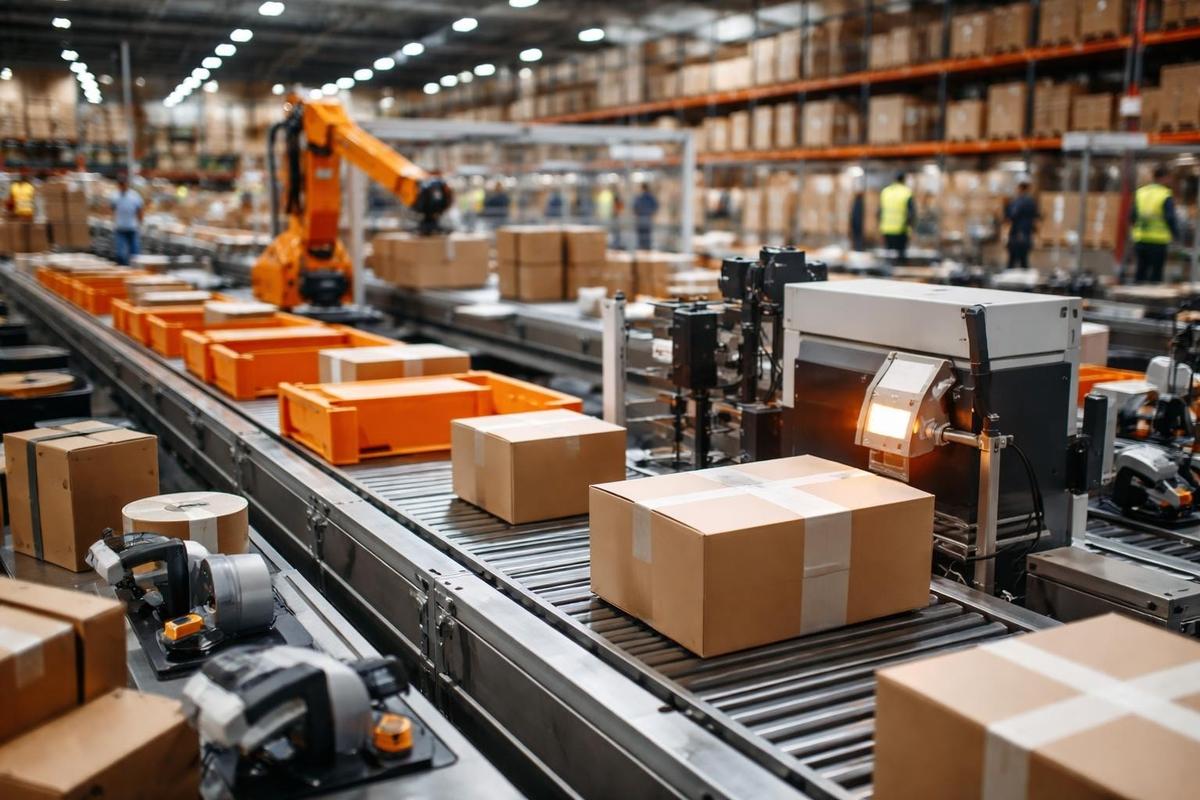
Automated Packaging Systems: Complete 2026 Guide
Share on
The packaging stage represents one of the most labour-intensive and error-prone bottlenecks in modern warehouse operations. As e-commerce order volumes surge and customer expectations for rapid fulfillment intensify, businesses across logistics, 3PL, and manufacturing sectors are discovering that manual packaging processes simply cannot keep pace. Automated packaging systems have emerged as a strategic solution, combining robotics, intelligent software, and mechanical precision to transform how products are prepared for dispatch. These systems not only accelerate throughput but also deliver consistency, reduce material waste, and free human workers to focus on higher-value tasks that require judgment and problem-solving capabilities.
Understanding Modern Automated Packaging Systems
Automated packaging systems encompass a broad range of technologies designed to handle product packaging with minimal human intervention. These solutions span from semi-automated workstations that assist operators to fully autonomous lines capable of processing thousands of units per hour.
The fundamental architecture typically includes product feeding mechanisms, measurement and scanning systems, packaging material dispensers, sealing equipment, and labeling modules. Advanced implementations integrate machine vision for quality control, robotic arms for product manipulation, and sophisticated software that coordinates every component in real-time.
Core components of effective automated packaging systems include:
- Feed systems that orient and present products consistently
- Dimensioning technology that measures package size for optimal material usage
- Automated case erectors and carton formers
- Void fill dispensers that protect products during transit
- Sealing and taping mechanisms for secure closure
- Print and apply labeling with carrier compliance
- Integration points for warehouse management systems
The sophistication of these systems varies considerably based on product characteristics, throughput requirements, and the diversity of SKUs being handled. Understanding which components align with your operational needs forms the foundation of successful implementation.
Technology Categories and Selection Criteria
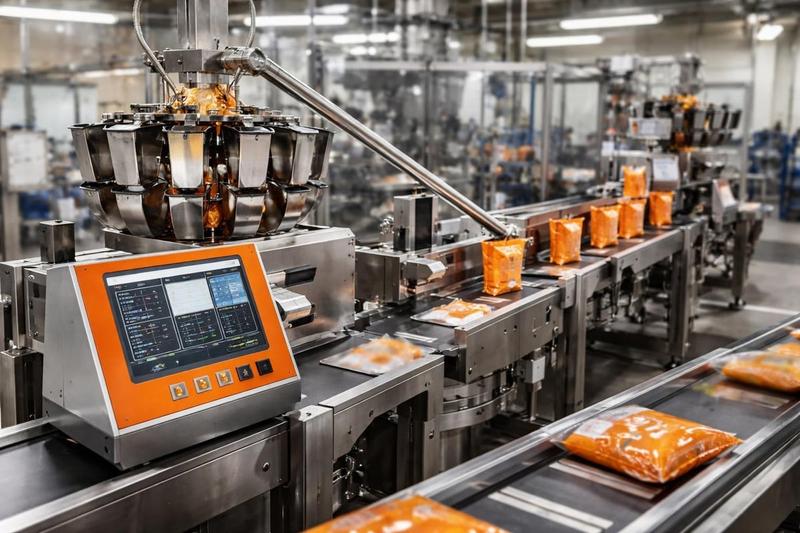
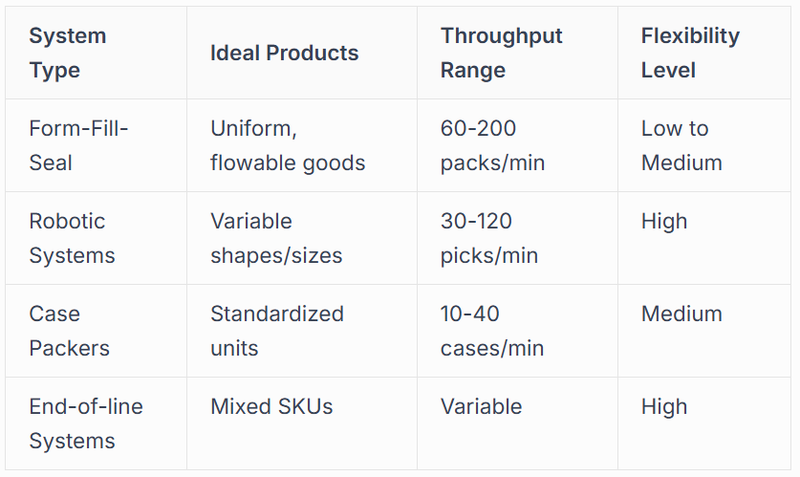
The market offers several distinct categories of automated packaging systems, each optimized for specific applications and operational contexts. Selecting the appropriate technology requires careful analysis of your product portfolio, volume patterns, and integration requirements.
Form-Fill-Seal Technology
Vertical and horizontal form-fill-seal machines represent highly efficient solutions for high-volume operations with standardized products. These systems create packages from roll stock, fill them with products, and seal them in continuous operations. Vertical form fill sealing machines excel in food, beverage, and pharmaceutical applications where consistency and hygiene are paramount.
Robotic Packaging Solutions
Industrial robots bring unprecedented flexibility to packaging operations. Modern robotic systems can handle diverse product shapes, orientations, and packaging formats within the same production run. Recent advances in industrial automation and robotics have made these solutions accessible to mid-sized operations, not just large manufacturers.
Research into robotic bagging systems utilizing constraint-aware planning demonstrates how artificial intelligence enhances robot capabilities, enabling them to handle deformable products and complex packaging tasks that previously required human dexterity.
Case Packing and Cartonizing Systems
For operations shipping multiple units in outer cartons, automated case packers streamline the secondary packaging process. These systems arrange products in optimal configurations, load them into cases, and prepare them for palletization-all without manual handling.
Integration with Warehouse Automation Ecosystems
Automated packaging systems deliver maximum value when seamlessly integrated within broader automated warehouse systems. Standalone packaging automation may improve local efficiency, but true transformation occurs when packaging coordinates with upstream picking, sorting, and downstream dispatch operations.
Modern warehouse control systems orchestrate this coordination, ensuring that products arrive at packaging stations at precisely the right moment, in the correct sequence, with all necessary shipping documentation.
Critical integration points include:
- Upstream picking systems that prepare products for packaging
- Warehouse management software providing order and shipping data
- Conveyor networks that transport products between zones
- Quality control checkpoints verifying contents before sealing
- Shipping carrier systems for label generation and tracking
The implementation of packaging line automation requires careful attention to communication protocols and data synchronization. Industry standards like PackML provide frameworks for consistent machine control and interoperability across multi-vendor environments.
Measurable Business Benefits and ROI Considerations
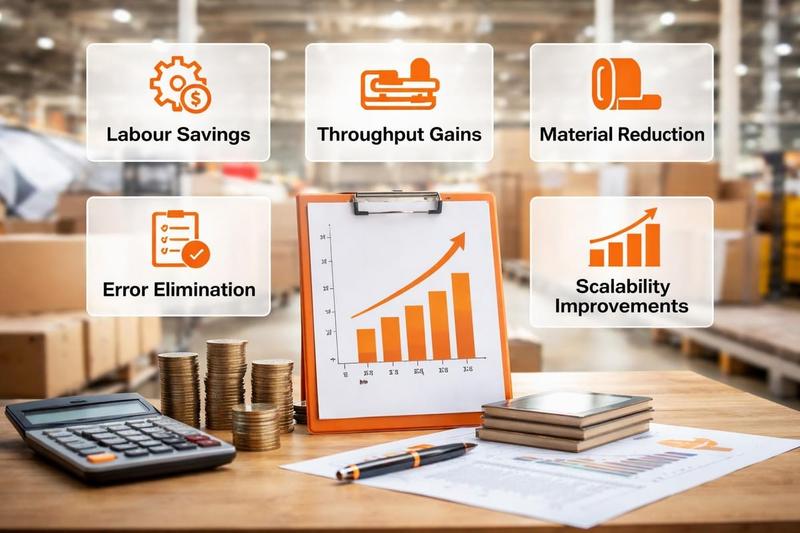
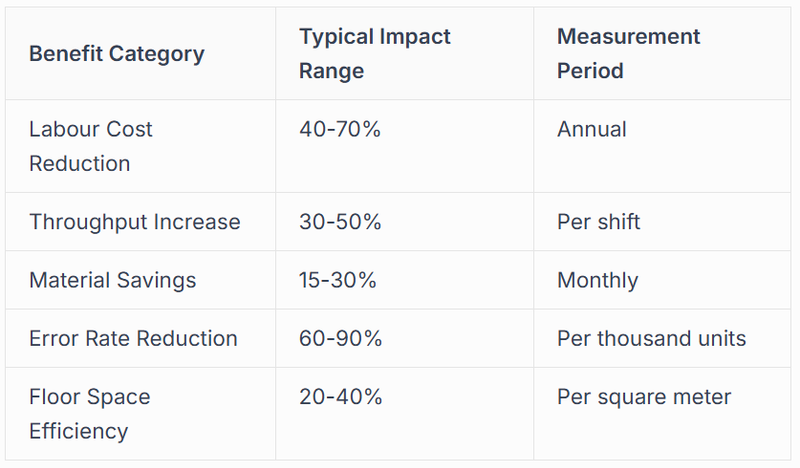
Organizations implementing automated packaging systems report substantial operational improvements across multiple dimensions. Understanding these benefits helps justify capital investment and prioritize implementation phases.
Labour Efficiency and Cost Reduction
The most immediate impact appears in labour requirements. Automated systems typically reduce packaging labour by 40-70% depending on the application. This workforce optimization becomes particularly valuable in markets experiencing labor shortages or rising wage pressures.
Beyond headcount reduction, automation eliminates overtime costs during peak periods and reduces workers' compensation claims associated with repetitive strain injuries common in manual packaging operations.
Throughput Enhancement
Automated packaging systems maintain consistent operating speeds regardless of shift, fatigue, or seasonal factors. Many operations experience 30-50% throughput increases after automation, enabling the same facility footprint to handle substantially higher volumes.
This capacity expansion often defers or eliminates the need for warehouse expansion-a capital avoidance benefit that significantly improves project ROI calculations.
Material Optimization and Sustainability
Intelligent automated packaging systems measure products precisely and dispense exactly the required amount of void fill, cushioning, and outer packaging material. This precision typically reduces packaging material consumption by 15-30% compared to manual operations where workers err on the side of over-protection.
These material savings compound monthly, delivering both cost reduction and sustainability benefits that increasingly matter to environmentally conscious consumers and corporate responsibility programs.
Implementation Strategies for Different Operation Scales
The path to automated packaging systems varies considerably based on operational scale, capital availability, and process maturity. Understanding staged implementation options helps organizations begin their automation journey at the appropriate entry point.
Entry-Level Solutions for SMBs
Small and medium businesses often benefit from starting with semi-automated solutions that assist workers rather than replacing them entirely. Tabletop case sealers, automated void fill dispensers, and print-and-apply labeling systems provide immediate productivity gains with modest capital requirements.
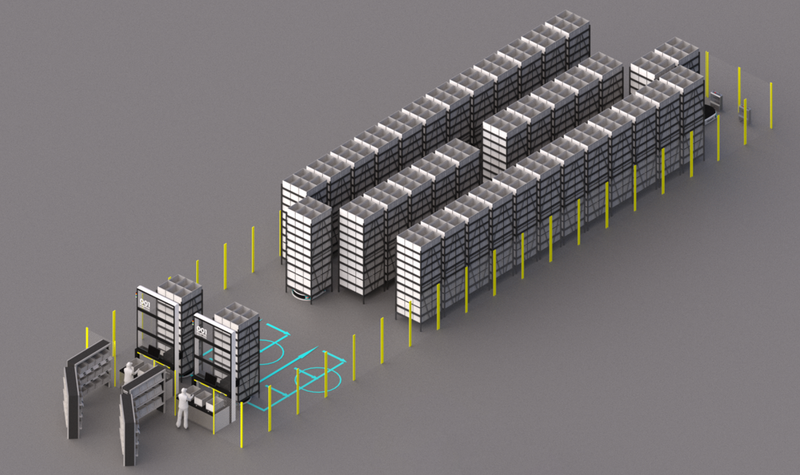
These initial investments establish automation disciplines, generate quick wins that build organizational confidence, and create data baselines for evaluating more sophisticated future investments. For businesses exploring their first automation initiatives, solutions like the Automate-X GTP Starter Grid provide accessible entry points that integrate naturally with existing warehouse processes while delivering immediate productivity improvements.
Mid-Scale Integrated Lines
Operations processing 500-5,000 orders daily typically benefit from integrated packaging lines that combine multiple automated functions. These systems might include automated case erecting, product insertion via robotics, automated void fill, sealing, weighing, and labeling in continuous flow configurations.
This integration level requires more substantial capital investment but delivers proportionally greater labor reduction and throughput enhancement. The coordination between components becomes critical, necessitating robust control systems and careful commissioning.
Enterprise-Level Automation
High-volume distribution centers and manufacturing facilities handling tens of thousands of units daily implement highly sophisticated automated packaging systems featuring multiple parallel lines, adaptive robotics, and extensive integration with goods-to-person automation upstream and automated sortation downstream.
These implementations often involve custom automation solutions engineered specifically for unique product characteristics, facility constraints, or operational workflows. The engineering effort and capital requirements are substantial, but the labor displacement and throughput capabilities justify investment in operations with sufficient scale.
Critical Success Factors and Common Pitfalls
Successful automated packaging systems implementation requires attention to factors beyond technology selection. Organizations that achieve exceptional results focus on these critical elements:
Product and Packaging Standardization
Automation thrives on consistency. Operations handling dozens of unique package configurations struggle to achieve the efficiency gains that standardized operations realize. Before automating, leading organizations rationalize their packaging portfolio, eliminating unnecessary variation and standardizing box sizes where possible.
This standardization effort often delivers immediate material and shipping cost savings even before automation begins, while simultaneously simplifying the technical requirements for automated equipment.
Process Documentation and Optimization
Automating a poorly designed process simply creates automated inefficiency. The implementation phase presents an ideal opportunity to document current workflows, identify bottlenecks, and redesign processes specifically to leverage automation capabilities.
Studies examining automated packaging implementation success consistently show that organizations investing in process optimization before equipment installation achieve superior results compared to those attempting to automate existing workflows without modification.
Common implementation pitfalls to avoid:
- Underestimating space requirements for equipment, material staging, and maintenance access
- Inadequate attention to changeover procedures when handling multiple SKUs
- Insufficient operator training leading to underutilization of equipment capabilities
- Poor integration between packaging automation and upstream/downstream systems
- Neglecting preventive maintenance scheduling, resulting in unexpected downtime
Data Integration and Visibility
Modern automated packaging systems generate valuable operational data including throughput rates, material consumption, error frequencies, and equipment utilization. Organizations that establish robust data collection and analysis frameworks extract continuous improvement insights that compound efficiency gains over time.
This data integration extends beyond the packaging equipment itself to encompass order management systems, inventory platforms, and shipping carrier interfaces. The resulting visibility enables proactive exception management and informed decision-making.
Emerging Technologies Reshaping Packaging Automation
The automated packaging systems landscape continues evolving rapidly as new technologies mature and become commercially viable. Forward-looking organizations monitor these developments to time future upgrade cycles advantageously.
Artificial Intelligence and Machine Vision
Advanced machine vision systems now inspect package quality, verify contents, and detect defects with superhuman accuracy. These systems reduce quality escapes while eliminating dedicated inspection labor.
Emerging applications of AI extend beyond quality control into predictive maintenance, where machine learning algorithms analyze equipment sensor data to predict failures before they occur, minimizing unplanned downtime. Research exploring deep learning methods for automated package assembly demonstrates how AI enables robots to handle increasingly complex packaging tasks with minimal programming.
Collaborative Robotics (Cobots)
Traditional industrial robots operate within safety cages, separated from human workers. Collaborative robots work safely alongside people, combining automation efficiency with human judgment and flexibility. This hybrid approach suits operations with high SKU variety where complete automation remains economically impractical.
Cobots reduce implementation complexity and capital requirements compared to fully automated solutions, making sophisticated packaging automation accessible to smaller operations.
Sustainable Packaging Innovation
Environmental concerns drive innovation in packaging materials and methodologies. Automated systems increasingly accommodate biodegradable materials, right-sized packaging that minimizes dimensional weight charges, and returnable packaging programs.
These sustainability initiatives align with automated packaging systems' inherent material optimization capabilities, creating synergies between environmental and economic objectives.
Industry-Specific Applications and Considerations
While automated packaging systems deliver value across sectors, specific industries face unique requirements that influence technology selection and implementation approach.
E-commerce and 3PL Operations
E-commerce fulfillment demands rapid, accurate packaging of highly variable order profiles. Automated packaging systems in this sector emphasize flexibility, fast changeover capabilities, and integration with order management platforms. The ability to automatically select optimal box sizes for mixed-item orders reduces dimensional weight charges substantially.
Food and Beverage Manufacturing
This sector prioritizes hygienic design, washdown capability, and compliance with food safety regulations. Stainless steel construction, sanitary design principles, and integration with traceability systems characterize automated packaging systems for food applications. Temperature-controlled environments add complexity for refrigerated and frozen products.
Pharmaceutical Packaging
Pharmaceutical operations require serialization, tamper-evidence, and strict regulatory compliance. Automated packaging systems must integrate with track-and-trace platforms, validate serialization data, and maintain comprehensive batch records. The precision and documentation capabilities of automation align well with pharmaceutical quality requirements.
Cold Storage and Temperature-Controlled Environments
Operating automated equipment in freezer environments (-20°C to -30°C) introduces technical challenges including condensation management, material brittleness, and equipment winterization. Specialized packaging automation designed for cold storage applications addresses these constraints while maintaining reliability.
Workforce Implications and Change Management
Implementing automated packaging systems inevitably impacts workforce composition and skill requirements. Organizations that manage this transition thoughtfully achieve smoother implementations and better long-term results.
Skills Transformation
While automation reduces the need for manual packaging labor, it creates demand for different skills including equipment operation, troubleshooting, preventive maintenance, and data analysis. Successful implementations include comprehensive training programs that help existing employees transition into these higher-value roles.
This workforce evolution typically results in more engaging, safer jobs with better compensation compared to repetitive manual packaging tasks.
Change Management Strategies
Worker concerns about job security can undermine automation initiatives if not addressed proactively. Transparent communication about implementation timelines, retraining opportunities, and workforce planning helps build support rather than resistance.
Effective change management practices include:
- Early involvement of floor staff in solution design and vendor selection
- Transparent communication about automation objectives and workforce impacts
- Comprehensive training programs beginning before equipment installation
- Gradual rollout allowing workforce adaptation and process refinement
- Recognition programs celebrating successful adoption and process improvements
Organizations framing automation as workforce augmentation rather than replacement typically experience greater employee acceptance and engagement throughout implementation.
Automated packaging systems represent a strategic investment that transforms warehouse operations through enhanced throughput, reduced labor dependency, improved accuracy, and material optimization. As customer expectations intensify and operational costs rise, these solutions transition from competitive advantage to competitive necessity across logistics, manufacturing, and distribution sectors. Automate-X combines robotics expertise, warehouse software integration, and systems engineering capabilities to design and implement packaging automation solutions tailored to your operational requirements, product characteristics, and growth objectives. Whether you're exploring your first automation initiative or expanding existing capabilities, our team helps you navigate technology selection, implementation planning, and system integration to achieve measurable results.