

7 Key Benefits of Automated Storage and Retrieval System 2026
Share on
The rapid evolution of warehouse automation is reshaping how businesses manage inventory and fulfilment. Traditional warehousing faces challenges with efficiency, accuracy, and space constraints in today’s competitive landscape. The automated storage and retrieval system offers a game-changing solution, promising streamlined operations, increased safety, and improved scalability. In this article, we reveal the 7 key benefits of automated storage and retrieval system technology, and why it is set to become the backbone of advanced logistics by 2026. Ready to future-proof your operation? Discover how ASRS can transform your business below.
What is an Automated Storage and Retrieval System (ASRS)?
Understanding the automated storage and retrieval system is essential for anyone looking to modernise warehouse operations. These systems are revolutionising how goods are handled, stored, and distributed across various industries.
Definition and Core Components
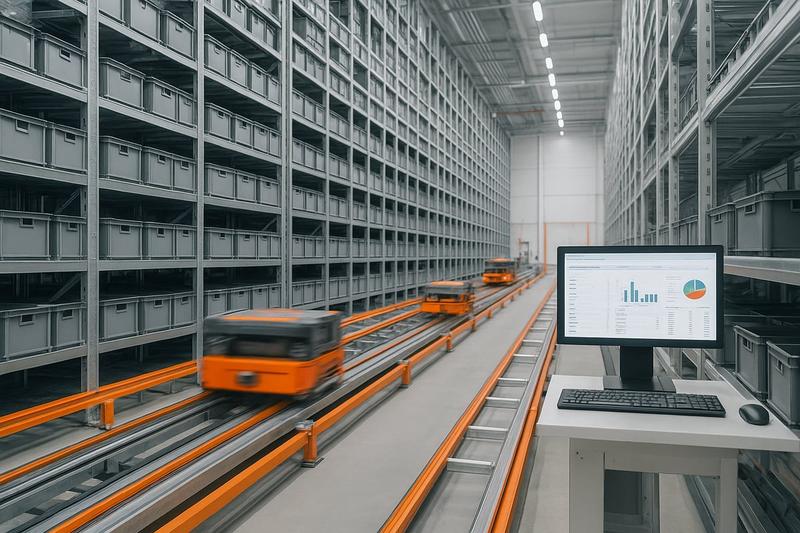
An automated storage and retrieval system is a computer-controlled solution designed to automatically store and retrieve loads with precision. These systems consist of several main components:
- Storage racks or shelving units
- Retrieval machines such as cranes, shuttles, or robots
- Conveyors or vertical lifts for item movement
- Warehouse management or control software
Multiple types exist, including fixed aisle systems, carousels, vertical lift modules (VLMs), mini-load systems, robotic shuttle solutions, cube storage, and floor robots. Integration with a warehouse management system (WMS) or warehouse control system (WCS) enables real-time inventory tracking and control. For example, the Defence Visual Information Center uses an automated storage and retrieval system to efficiently manage media assets.
How ASRS Works in Modern Warehouses
The automated storage and retrieval system operates through a series of automated steps. First, items are input and their data is entered into the system. Next, goods are automatically stored in assigned locations within the racks by robotic equipment. When needed, the system retrieves specific items using computer-driven commands and delivers them to the operator or shipping area.
Sensors and warehouse software track each item’s location, updating inventory in real time. In manufacturing, e-commerce, pharmaceuticals, and cold storage, this process ensures rapid, accurate handling while reducing manual intervention.
Evolution and Market Trends Leading to 2026
Since their introduction in the 1960s for heavy pallet storage, automated storage and retrieval system technology has advanced significantly. Today, there is a clear shift from bulk pallet or case picking to individual item, or "each", picking. Modern systems are more modular and robotic, offering flexible goods-to-person solutions and scalable architectures.
Industry data points to strong growth, with adoption rates rising globally. According to ASRS Market Growth Projections, the market is expected to expand from USD 9.86 billion in 2025 to USD 14.80 billion by 2030. This highlights the increasing reliance on automated storage and retrieval system solutions across sectors.
Key Applications Across Industries
Automated storage and retrieval system technology is deployed across a wide range of industries:
- Logistics and third-party logistics (3PL) providers for high-volume, fast-moving goods
- E-commerce facilities to manage rapid order fulfilment and diverse SKUs
- Manufacturing plants supporting just-in-time production and sub-pallet storage
- Pharmaceuticals and food sectors where strict traceability and compliance are required
- Libraries that use ASRS for dense, secure storage of books and archival materials
These applications demonstrate the versatility and impact of automated storage and retrieval system deployments.
Common Challenges in Traditional Warehousing
Traditional warehousing faces several persistent challenges that automated storage and retrieval system technology helps overcome. Labour shortages and rising operational costs are common, as manual processes require more staff and time. Inefficient manual handling often leads to increased picking errors, lost items, and safety incidents.
Warehouses typically underutilise vertical space, leaving valuable cubic capacity unused. Inventory inaccuracies and lengthy audit processes can result in stockouts, overstocking, and reduced customer satisfaction. As fulfilment expectations rise in today’s competitive market, many organisations are turning to automated storage and retrieval system solutions to boost speed, accuracy, and efficiency.
7 Key Benefits of Automated Storage and Retrieval System 2026
Warehouse automation is redefining supply chain competitiveness, and the automated storage and retrieval system is at the heart of this transformation. As businesses look to 2026 and beyond, understanding the tangible advantages of these systems becomes essential for future-proofing operations. Below, we explore the seven most impactful benefits that an automated storage and retrieval system brings to modern warehouses.
1. Space Optimisation and Increased Storage Density
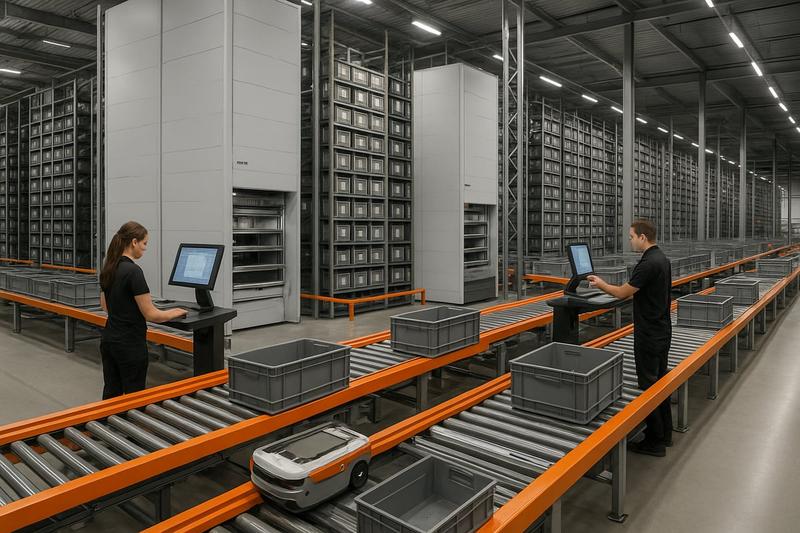
One of the foremost benefits of an automated storage and retrieval system is its ability to transform how facilities use space. Traditional shelving often leaves valuable vertical space untapped, but ASRS leverages height to multiply storage capacity within the same footprint.
By stacking items vertically and using dynamic tray storage, systems like vertical lift modules (VLMs) can position trays as close as 2.5 centimetres apart. This precision allows businesses to reclaim up to 85 percent of their floor area for other uses, such as value-added operations or additional inventory.
High-density formats such as mini-load systems, robotic cube storage, and shuttle-based solutions enable the accommodation of thousands of SKUs in a compact grid. For example, robotic cube storage stacks bins in a tightly packed matrix, maximising every cubic metre and virtually eliminating wasted aisle space.
This approach is especially valuable for urban or high-rent settings, where expanding outward is costly or impossible. Instead of new construction, companies can increase storage by 30 to 50 percent in their current premises, as shown by recent industry data and ASRS Efficiency and Cost Savings.
Key advantages include:
- Maximising vertical and cubic space
- Enabling facility expansion without building
- Supporting space-constrained urban operations
The automated storage and retrieval system is a game-changer for businesses needing to scale up capacity while keeping overheads in check.
2. Enhanced Picking Accuracy and Inventory Control
Accuracy is critical in modern warehousing, especially with the rise of e-commerce and tighter customer expectations. An automated storage and retrieval system significantly reduces human error in picking and inventory management.
Computerised tracking, barcoding, and RFID integration provide real-time visibility of every item. When connected to a warehouse management system (WMS), the ASRS updates inventory levels instantly as items are stored or retrieved. This seamless data flow ensures precise stock counts and eliminates the guesswork of manual inventory checks.
Automated retrieval minimises mispicks and shipping mistakes, which are common with manual systems. E-commerce fulfilment centres using an automated storage and retrieval system regularly achieve 99.9 percent picking accuracy, reducing costly returns and boosting customer satisfaction.
For regulated industries such as pharmaceuticals and food, audit trails and traceability are built-in. Every transaction is logged, supporting compliance and fast recall if needed.
Benefits include:
- Real-time inventory visibility
- Reduced stockouts and overstocking
- Improved traceability for audits
With an automated storage and retrieval system, businesses gain a robust platform for inventory control, supporting both efficiency and regulatory needs.
3. Labour Efficiency and Reduced Operational Costs
Labour shortages and rising wages are ongoing challenges in logistics. An automated storage and retrieval system addresses these pain points by automating repetitive storage, retrieval, and transport tasks.
Goods-to-person designs bring items directly to operators, eliminating unnecessary travel time and reducing fatigue. This streamlined workflow means fewer staff are needed to handle the same volume of orders, or even more, with higher accuracy. For example, horizontal carousel pods enable a single picker to handle multiple orders simultaneously, multiplying throughput without extra labour.
During peak seasons, such as holidays or sales events, the automated storage and retrieval system absorbs spikes in volume without requiring costly overtime or temporary hires. Companies also save on recruitment, training, and retention, which can be significant in tight labour markets.
Key efficiencies include:
- Reduced manual handling and travel
- Lower overtime and temporary staffing costs
- Simplified workforce management
Industry data shows that an automated storage and retrieval system can cut labour costs by 20 to 40 percent while increasing productivity, making it a strategic investment for any warehouse.
4. Faster Throughput and Order Fulfilment Speed
Speed is now a competitive differentiator, particularly for omni-channel and direct-to-consumer operations. An automated storage and retrieval system accelerates order processing from inbound to outbound.
Automated cranes, shuttles, and mini-load systems can process hundreds of order lines per hour, supporting fast-moving environments. Real-time order batching and light-directed picking technology enable multiple orders to be fulfilled in parallel, slashing cycle times.
For example, retail distribution centres using VLMs and robotic shuttles meet demanding same-day or next-day delivery service level agreements (SLAs) with ease. Buffering and queueing features prevent bottlenecks during rush periods, maintaining consistent throughput.
Key features supporting speed:
- High-speed retrieval and delivery mechanisms
- Seamless integration with conveyors and AMRs
- Smart software for optimised order batching
By adopting an automated storage and retrieval system, businesses can confidently promise faster shipping, keeping pace with customer and market demands.
5. Improved Safety and Ergonomics
Workplace safety and ergonomics are paramount in today’s warehouses. An automated storage and retrieval system reduces the risk of injury by removing manual lifting, bending, and repetitive motion from daily routines.
Goods are presented at optimal heights, minimising strain on operators. Heavy or hazardous items are handled automatically, reducing exposure and the likelihood of accidents. For instance, pharmaceutical warehouses use automated storage and retrieval systems to eliminate the need for ladders or manual retrieval from high shelves.
Enclosed systems such as VLMs and carousels also protect sensitive goods from dust, contamination, and damage. This leads to fewer product losses and helps maintain quality standards, especially in regulated sectors.
Safety improvements include:
- Lower accident and injury rates
- Compliance with health and safety regulations
- Reduced workers’ compensation claims
Implementing an automated storage and retrieval system is an investment in both people and product integrity, supporting a safer, healthier workplace.
6. Scalability and Future-Proofing Operations
Business growth and market volatility demand flexible solutions. An automated storage and retrieval system is designed for scalability, with modular components that can be expanded or reconfigured as needed.
Robotic shuttles, cube storage, and AGVs/AMRs provide agility, allowing warehouses to scale up for peak seasons or new product lines with minimal disruption. Software-driven systems adapt to changing inventory profiles and order patterns, supporting just-in-time fulfilment and rapid market response.
For example, e-commerce brands can deploy additional robots or shuttles ahead of busy periods, ensuring capacity keeps pace with demand. The automated storage and retrieval system supports long-term growth without the need for major infrastructure changes.
Benefits of scalability include:
- Modular, future-ready design
- Quick adaptation to business changes
- Sustained competitiveness in evolving markets
With a projected 15 percent annual increase in adoption through 2026, the automated storage and retrieval system is a proven foundation for future-proofing warehouse operations.
7. Sustainability and Energy Efficiency
Sustainability is now a core requirement for warehouses. An automated storage and retrieval system enhances environmental performance in several ways.
Automated movement is optimised for energy efficiency, with precise routing and idle management to minimise power consumption. Facilities using ASRS often reduce lighting and HVAC requirements, as less space is accessed by people. This smaller building footprint lowers overall energy use and carbon emissions.
By reducing manual handling, the automated storage and retrieval system also cuts product damage and waste. Green warehouses leveraging ASRS can achieve sustainability certifications and meet corporate ESG targets more easily.
Sustainability highlights:
- Up to 30 percent reduction in warehouse energy costs
- Lower product waste and shrinkage
- Support for circular economy practices and efficient returns
The automated storage and retrieval system is a cornerstone for responsible, future-ready warehousing, delivering both environmental and financial benefits.
How to Choose the Right ASRS for Your Business
Selecting the right automated storage and retrieval system is a pivotal decision for any business planning to modernise its warehouse. A well-chosen system not only optimises your current operations but also supports future growth and technological advancement.

Assessing Operational Needs and Growth Plans
Begin by analysing your warehouse’s unique requirements. Review your SKU profiles, current and projected order volumes, and seasonal demand fluctuations. This groundwork ensures the automated storage and retrieval system you select aligns with your operational constraints and expansion goals.
Identify inefficiencies in your existing storage or fulfilment processes. Are you facing bottlenecks, slow picking speeds, or space limitations? Understanding these factors enables you to target solutions that truly add value.
Look ahead to future business objectives. If market trends suggest rapid growth or SKU proliferation, ensure your ASRS can scale accordingly.
Comparing ASRS Technologies and Configurations
Explore the main types of automated storage and retrieval system solutions: vertical lift modules, carousels, mini-load systems, cube storage, shuttles, and autonomous mobile robots. Each offers distinct advantages in throughput, storage density, flexibility, and cost.
Here’s a quick comparison:

Match your business profile with the system that best supports your inventory and order patterns.
Integration with Warehouse Software and Automation Ecosystem
Seamless integration between your automated storage and retrieval system and warehouse management software is critical for real-time control and visibility. This connectivity allows for instant inventory updates, precise stock movement, and synchronisation with other automated technologies.
Consider how your ASRS will interact with conveyors, robotics, and existing IT infrastructure. A well-integrated system minimises manual intervention, streamlines workflows, and ensures data accuracy throughout your supply chain.
Assess software compatibility early in the planning phase to avoid costly rework and maximise the benefits of automation.
Calculating ROI and Total Cost of Ownership
Evaluate the total cost of ownership for your automated storage and retrieval system, looking beyond the initial investment. Consider maintenance, labour savings, space utilisation, and productivity improvements.
Typical payback periods range from two to five years, depending on system complexity and warehouse volume. For a detailed guide on maximising your return, see Optimising your automation budget.
Factor in ongoing benefits such as reduced error rates, lower operational costs, and the potential to defer new facility construction due to improved space efficiency.
Implementation Best Practices and Change Management
Successful deployment of an automated storage and retrieval system requires structured planning. Start with a comprehensive needs assessment, followed by system design, pilot testing, and staff training.
Engage cross-functional teams to ensure buy-in and smooth transition. For real-world insights, review the ASRS Implementation Case Study, which highlights best practices and measurable results.
Communicate changes clearly, set realistic timelines, and monitor progress post-implementation to ensure your investment delivers lasting value.
Intelligent Warehouse Automation Solutions from Automate-X
When seeking a proven automated storage and retrieval system partner in New Zealand or Australia, Automate-X stands out for expertise and innovation. Their end-to-end solutions are designed to address the unique challenges of modern warehousing, from high-density storage to rapid order fulfilment.
Automate-X delivers a full suite of automation technologies, including goods-to-person systems, 4-way shuttle ASRS, custom conveyor lines, advanced warehouse software, and packaging automation. Robotics play a central role, with seamless integration available across all projects. For a deeper look at their capabilities, explore how their industrial robotics for warehouses can transform your facility.
Solutions are tailored for logistics, 3PL, e-commerce, FMCG, pharmaceuticals, cold storage, and manufacturing. Automate-X partners with global leaders like Geek+ to ensure best-in-class results that boost efficiency, accuracy, and safety.
Ready to future-proof operations and drive sustainable growth? Contact Automate-X for a consultation and discover the right path forward.
As you’ve seen, automated storage and retrieval systems are reshaping how we think about warehouse efficiency, accuracy, and long term growth. If you’re looking to overcome traditional warehousing challenges and position your business for the future, now is a great time to take the next step. Whether your focus is on optimising space, improving fulfilment speed, or ensuring safety and scalability, you don’t have to navigate these changes alone. Let’s explore how intelligent automation can work for your unique needs—Explore Automation Solutions and see what’s possible for your operation.