


Automated Warehouse Picking Guide: Best Practices for 2026
Share on
In 2026, the speed and accuracy gap between automated warehouse picking and traditional manual systems is impossible to ignore. Modern supply chains demand more than just efficiency, they require innovation and adaptability to stay ahead.
With robotics, artificial intelligence, and advanced software now transforming how warehouses operate, automated warehouse picking has become essential for logistics leaders seeking a competitive edge. This guide brings you proven best practices and forward-thinking strategies to optimise efficiency, accuracy, and scalability.
Explore each section to discover the fundamentals, emerging technologies, step-by-step implementation, and future trends. Equip yourself with the knowledge to future-proof your warehouse operations in a rapidly evolving landscape.
Understanding Automated Warehouse Picking in 2026
Automated warehouse picking has become the standard for forward-thinking supply chains in 2026. In a sector where speed and accuracy are non-negotiable, this approach transforms order fulfilment from a manual task into a seamless, tech-driven process.
Warehouses today rely on networks of robotics, advanced software, and integrated systems to achieve unprecedented levels of efficiency. But what sets automated warehouse picking apart from older methods, and how did we arrive here?
What Is Automated Warehouse Picking?
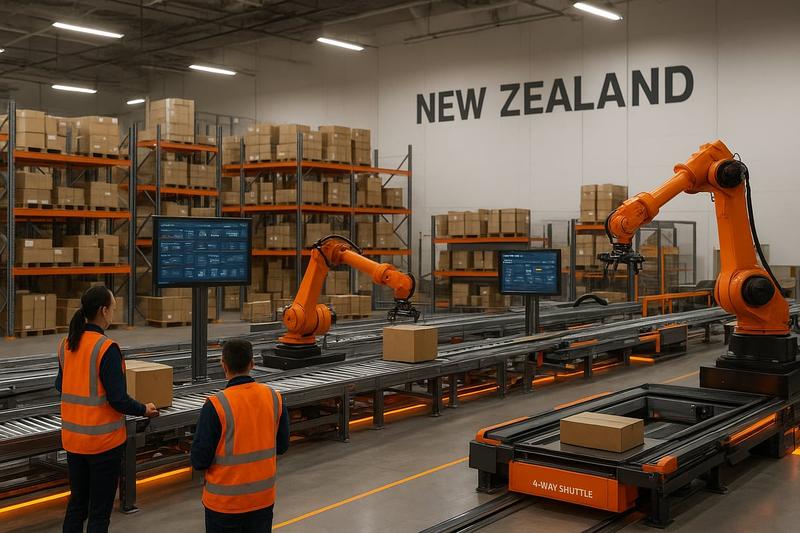
Automated warehouse picking refers to the use of robotics, smart software, and integrated controls to pick and move orders with minimal human input. This system stands in contrast to manual or semi-automated picking, where staff rely on paper lists or basic scanners.
Key components of automated warehouse picking include:
- Autonomous robots and cobots for flexible item retrieval
- Conveyor systems for rapid goods movement
- Automated Storage and Retrieval Systems (ASRS), such as Automated Storage and Retrieval System with 4-way shuttles
- Pick-to-light modules that guide operators visually
- Warehouse Management Systems (WMS) and Warehouse Control Systems (WCS) for orchestration
There are several system types:
- Goods-to-person: Robots bring items directly to staff
- Person-to-goods: Workers travel to pick locations, guided by automation
- Hybrid systems: Combine both strategies for maximum flexibility
For example, ASRS solutions can move goods at high speed and operate around the clock. According to ULMA Handling Systems, automated warehouse picking can reduce picking errors by up to 99.9 percent. These systems are also scalable, making them accessible for both small businesses and global enterprises.
The Evolution of Picking Technology
The journey to automated warehouse picking began with manual methods, where staff would walk kilometres daily to retrieve items. The introduction of barcode scanners and early software marked the first leap in efficiency.
Since then, the industry has moved to fully automated robotics, powered by artificial intelligence and the Internet of Things (IoT). AI now drives picking precision, using machine learning to analyse demand and optimise routes in real time.
Cobots, or collaborative robots, work alongside humans to boost output and lower injury rates. Integration with legacy systems and ERP platforms has also become standard, ensuring that automated warehouse picking fits seamlessly into existing operations.
Advanced WMS software and clustering algorithms have dramatically improved pick rates. For instance, ShipBob’s implementation for Earthley saw picking speeds increase tenfold, demonstrating the tangible benefits of modern automation.
Today, the shift to automated warehouse picking is a direct response to labour shortages and surging e-commerce demand. As warehouses face higher order volumes and rising customer expectations, automation is not just an upgrade—it is a necessity for staying competitive.
Key Benefits and ROI of Automated Picking
The rapid adoption of automated warehouse picking is transforming supply chains across industries. By leveraging robotics and intelligent software, businesses are realising measurable gains in productivity, accuracy, cost savings, and adaptability. Understanding these benefits is essential for justifying investment and staying ahead of competitors.
Increased Productivity and Speed
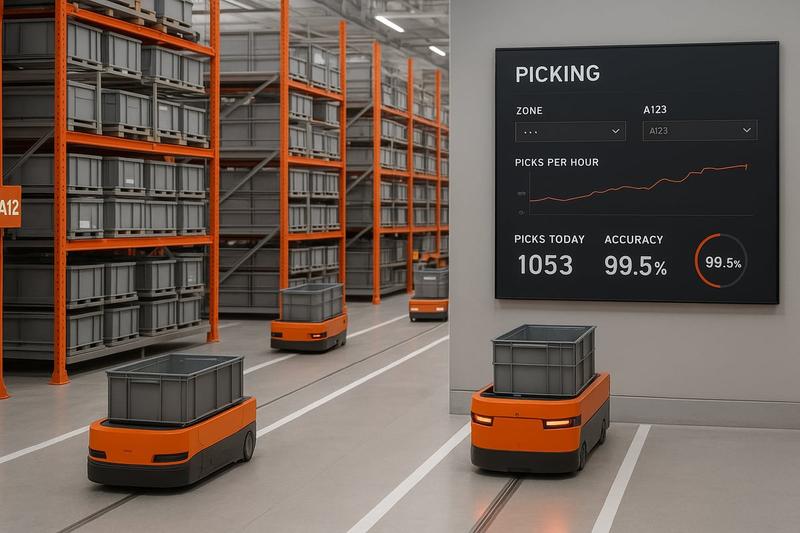
Automated warehouse picking dramatically reduces travel time and manual handling. Robots and ASRS systems pick and deliver goods faster than humans, enabling continuous operation even during overnight shifts.
Batch and cluster picking algorithms, combined with advanced conveyors, streamline workflows and minimise downtime. In fact, automated warehouse picking can enable pick and pack speeds up to ten times faster than traditional methods. For those evaluating system choices, the Order Picking System Options for 2026 guide provides valuable benchmarking data.
Accuracy, Quality, and Order Fulfilment
Accuracy is a cornerstone benefit of automated warehouse picking. Automation minimises human error, reducing mispicks and incorrect shipments to nearly zero.
Real-time inventory tracking further ensures that stock levels are always accurate, preventing costly mistakes. Enhanced order fulfilment leads to improved customer satisfaction and stronger retention rates, which are crucial for long-term business success.
Cost Efficiency and Labour Optimisation
Investing in automated warehouse picking leads to significant cost savings. Labour expenses drop as fewer staff are required for repetitive tasks, and overtime costs are slashed due to continuous system operation.
User-friendly interfaces also lower training time and costs. Automation helps businesses address workforce shortages and rising wage pressures, making it a smart financial strategy for both small and large warehouses.
Space and Resource Optimisation
Automated warehouse picking supports high-density storage solutions that maximise every square metre. ASRS and shuttle systems enable up to 80 percent better space utilisation compared to manual layouts.
Flexible system designs adapt to evolving SKU profiles, allowing warehouses to make the most of their available resources. This approach not only reduces operational costs but also supports sustainable growth.
Scalability and Flexibility
One of the biggest advantages of automated warehouse picking is its scalability. Modular systems can be expanded as order volumes grow, supporting businesses through seasonal peaks and market changes.
Automated solutions allow retailers and logistics providers to adapt quickly, whether scaling up for Black Friday or adjusting to new product lines. This flexibility ensures that operations remain resilient and future ready.
Step-by-Step Guide to Implementing Automated Picking Systems
Adopting automated warehouse picking is a major transformation that requires strategic planning, the right technology, and careful execution. By following a structured, step-by-step process, logistics leaders can ensure a smooth transition, maximum return on investment, and long-term scalability.
Step 1: Assessing Warehouse Needs and Readiness
Begin with a comprehensive operational audit. Map current workflows, order profiles, and SKU velocity to identify where automated warehouse picking can deliver the most value.
Evaluate pain points such as bottlenecks, high error rates, and labour shortages. Review your infrastructure and legacy systems to determine integration requirements and upgrade needs.
Engage stakeholders from IT, operations, and finance early. Their insights will clarify functional priorities, budget constraints, and future scalability expectations.
A readiness assessment ensures your warehouse is set up for successful automation, reducing risks during implementation.
Step 2: Selecting the Right Automation Technology
Choosing the optimal technology is critical for automated warehouse picking success. Compare goods-to-person, person-to-goods, and hybrid systems based on your order mix and facility layout.
Consider advanced robotics, such as autonomous mobile robots (AMRs) and collaborative robots (cobots), along with conveyor systems, pick-to-light modules, and automated storage and retrieval systems (ASRS). Evaluate warehouse management software (WMS) and warehouse control systems (WCS) for compatibility and integration.
Factor in scalability, flexibility, and projected ROI. For industry-specific needs, such as food & beverage or pharmaceuticals, select solutions designed to meet compliance and throughput demands. For a detailed look at technology choices and implementation, see Automation in Distribution Centers.
Step 3: Designing and Planning the System Layout
Effective layout design is essential for maximising the benefits of automated warehouse picking. Map optimal storage and picking zones that reflect order frequency and SKU movement.
Plan for high-density storage and dedicate zones for fast-moving items. Integrate safety features, such as barriers and light curtains, and consider ergonomic factors to support staff working alongside automation.
Use digital twins or warehouse simulation tools to visualise workflows, test scenarios, and validate throughput assumptions before installation. This proactive planning minimises costly changes later.
Step 4: Integration and Testing
Seamless integration is crucial for automated warehouse picking systems. Connect the new automation with your WMS, inventory, and shipping platforms to enable real-time data flow.
Pilot the system with real orders to test process flows, picking accuracy, and system reliability. Train staff on new interfaces, emphasising ease of use and safety protocols.
Monitor for issues such as latency, mispicks, or system downtime during this phase. Use pilot feedback to refine processes and resolve technical gaps before full-scale deployment.
Step 5: Go-Live and Continuous Optimisation
A phased go-live approach helps minimise disruption during the transition to automated warehouse picking. Start with select zones or product lines, then expand as confidence and performance grow.
Track key performance indicators such as pick rates, accuracy, downtime, and order cycle time. Collect feedback from operators and supervisors to identify improvement opportunities.
Plan regular reviews for future upgrades and scaling, ensuring your automation investment continues to support changing business needs and peak demands.
Best Practices for Optimising Automated Warehouse Picking
Adopting best practices is essential for maximising the value of automated warehouse picking. By focusing on data, people, maintenance, safety, and accuracy, logistics leaders can unlock new levels of performance and future-proof their operations.
Data-Driven Process Optimisation
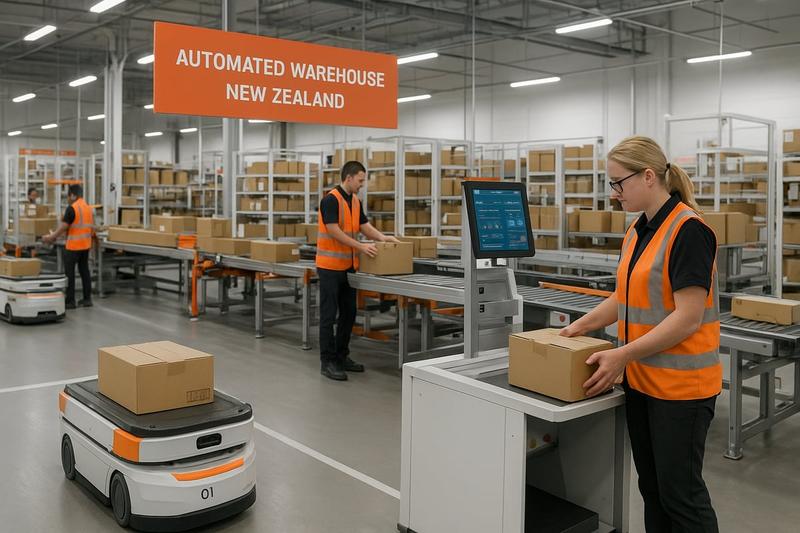
Continuous improvement in automated warehouse picking relies on real-time data and smart analytics. Warehouses should leverage machine learning to analyse picking patterns and adjust slotting or batch picking strategies for optimal efficiency.
Key tactics include:
- Tracking pick rates and error rates in real time
- Using AI to dynamically adjust SKU locations
- Reviewing historical data to forecast demand spikes
By embracing these practices, warehouses can adapt quickly to changing order profiles. For more on how tech trends like AI and robotics are shaping the future, see Emerging warehouse automation trends. Data-driven decisions ensure automated warehouse picking delivers measurable results.
Workforce and Change Management
People remain central to automated warehouse picking, even as robotics and software transform daily tasks. To succeed, organisations must upskill staff, preparing them for roles in system oversight, troubleshooting, and process improvement.
Effective change management involves:
- Providing comprehensive training on new systems
- Offering clear communication about the benefits of automation
- Encouraging feedback and ongoing learning
A proactive approach to workforce development helps teams embrace technology and ensures the full value of automated warehouse picking is realised.
Maintenance and System Reliability
The reliability of automated warehouse picking depends on a robust maintenance programme. Preventive maintenance schedules reduce downtime and keep robots, conveyors, and software running smoothly.
Best practices include:
- Scheduling regular inspections and servicing
- Implementing predictive analytics to spot emerging issues
- Stocking critical spare parts for rapid repairs
Remote monitoring tools can alert teams to problems before they escalate. Well-maintained systems ensure continuous operation and protect the investment in automated warehouse picking.
Safety, Compliance, and Ergonomics
Safety must never be compromised in automated warehouse picking environments. Well-designed systems minimise worker fatigue and prevent accidents, supporting both productivity and regulatory compliance.
Key safety measures:
- Installing ergonomic picking stations
- Integrating safety sensors and barriers around robotics
- Ensuring compliance with New Zealand health and safety standards
Collaborative robots (cobots) can work safely alongside humans, reducing physical strain and supporting a safer workplace for everyone involved in automated warehouse picking.
Inventory Accuracy and Traceability
Accurate inventory is the foundation of successful automated warehouse picking. Integrating RFID or barcode scanning ensures every item is tracked in real time, reducing discrepancies and shrinkage.
Optimisation strategies:
- Automating replenishment and cycle counts
- Enabling real-time stock visibility for all users
- Linking picking data with WMS for seamless updates
These practices support traceability, compliance, and customer satisfaction, making automated warehouse picking a reliable solution for modern supply chains.
Case Study: Real-World Success Stories
Organisations across sectors have seen transformative results from automated warehouse picking. For example, Intermarché partnered with ULMA Handling Systems to automate logistics, achieving near-zero picking errors and faster order cycles.
Another success story is ShipBob’s WMS implementation for Earthley, where automated warehouse picking boosted speed and accuracy. These real-world examples highlight measurable outcomes and offer valuable lessons for businesses considering automation.
Adapting Automated Picking for Different Industries
Automated warehouse picking is not a one-size-fits-all solution. Each industry faces unique challenges and requirements, shaping how automation is deployed for maximum impact. From retail to pharmaceuticals, understanding these differences is essential for designing systems that deliver true value.
Fully automated picking in the frozen goods warehouse
E-Commerce and Retail
In e-commerce and retail, automated warehouse picking supports high SKU diversity and rapid order turnover. These sectors experience frequent seasonal peaks, requiring scalable solutions that can flex with demand. Technologies such as pick-to-light systems, automated picking carts, and goods-to-person systems help maintain accuracy when processing thousands of daily orders.
Retailers benefit from real-time inventory visibility, enabling efficient multi-channel fulfilment. Automated warehouse picking minimises errors, ensuring customers receive the right items quickly.
Third-Party Logistics (3PL)
For 3PL providers, automated warehouse picking must accommodate multi-client warehousing and frequent SKU changes. Flexibility is crucial, as clients can have vastly different requirements. Modular automation solutions make it easy to reconfigure layouts and adapt to new workflows.
Integration with various WMS platforms streamlines data exchange across customers. This adaptability ensures that 3PLs can offer fast, accurate fulfilment and scale services as their client base grows.
Food & Beverage and Cold Storage
In food and beverage, as well as cold storage, reliability and safety are paramount. Automated warehouse picking systems are engineered to operate in extreme temperatures and comply with strict food safety standards. Robust robotics and shuttle systems function efficiently at temperatures as low as -30°C, ensuring seamless movement of perishable goods.
Traceability is enhanced through automated tracking, supporting compliance and minimising waste. These solutions help maintain product integrity, even in demanding environments.
Pharmaceuticals and Healthcare
Pharmaceuticals and healthcare demand the highest accuracy and security standards. Automated warehouse picking provides validated processes with detailed audit trails, meeting regulatory requirements. Robotics are used to handle high-value and sensitive items, reducing the risk of contamination or loss.
Secure storage and picking zones ensure only authorised staff access critical inventory. Automation increases traceability and helps maintain compliance with health authorities.
Manufacturing and General Industry
Manufacturers leverage automated warehouse picking to support just-in-time inventory and smooth production flows. Integration with assembly lines and conveyor systems ensures parts and components are delivered precisely when needed.
Systems are designed for bulk handling and rapid replenishment. By optimising workflows, manufacturers reduce downtime and enhance operational efficiency, ensuring their supply chains remain resilient.
The Future of Automated Warehouse Picking: Trends for 2026 and Beyond
The landscape of automated warehouse picking is evolving rapidly as we approach 2026. Logistics leaders are embracing new technologies and strategies to future-proof their operations and stay ahead in a competitive market.
AI, Robotics, and Predictive Analytics
Artificial intelligence, machine learning, and robotics are at the heart of next-generation automated warehouse picking. AI-driven algorithms now enable dynamic slotting, order clustering, and real-time optimisation of picking routes. Predictive analytics help anticipate demand spikes and schedule maintenance before issues occur. Robotics, including AMRs and collaborative robots, are improving picking speed and reducing errors. According to AI's role in warehouse optimization, these technologies have transformed slotting, task sequencing, and replenishment, making automated warehouse picking more efficient and reliable.
Hyper-Integration, IoT, and Sustainability
Seamless integration across WMS, ERP, and supply chain systems is essential for automated warehouse picking in 2026. IoT sensors provide real-time visibility, tracking inventory, equipment health, and environmental conditions. This connectivity supports remote management and rapid response to operational changes. Green warehousing is also a growing priority, with energy-efficient automation systems and optimised layouts reducing resource consumption. Companies are increasingly focused on sustainability, implementing eco-friendly practices without compromising performance or scalability.
Workforce Transformation and Globalisation
The shift to automated warehouse picking is reshaping the workforce. Manual roles are evolving into positions focused on automation oversight, data analysis, and system optimisation. Upskilling and continuous technical training are now standard practice. Global adoption of automation is accelerating, with local customisation to meet regulatory and operational requirements. Notably, warehouse automation adoption statistics project that 26% of warehouses will be automated by 2027, highlighting the scale of transformation across industries and regions.
Key Takeaways for 2026
Automated warehouse picking is no longer optional for resilient supply chains. The convergence of AI, robotics, IoT, and sustainability is setting new benchmarks for efficiency, accuracy, and scalability. Companies that prioritise innovation and adaptability will lead the way, while early adopters of automation will continue to set industry standards. As we look toward 2026 and beyond, embracing these trends is essential for operational excellence and long-term growth.
If you’re looking to move beyond the challenges of manual warehouse picking and embrace the cutting edge of logistics for 2026, you’re not alone. We’ve covered how automation can boost accuracy, productivity, and scalability—no matter your industry or the size of your operation. Now is the perfect time to consider how modern robotics, intelligent software, and seamless system integration can help you stay ahead of the competition and future proof your supply chain. If you’re ready to see what’s possible for your business, take the next step and Start Your Automation Journey.