

Essential Guide to Automated Warehouse Systems 2026
Share on
Warehouse automation is transforming supply chains at a pace never seen before. If you want to stay ahead, understanding automated warehouse systems is now essential for every logistics leader and business owner.
This 2026 guide will provide you with expert insights into the latest technologies, proven benefits, and practical steps for implementing automated warehouse systems. You will discover how these systems can deliver greater efficiency, accuracy, and scalability for your operations.
As competition intensifies, the need to adapt is urgent. Explore real-world examples and actionable strategies to future-proof your warehouse and supply chain. Start your journey to smarter, more resilient logistics with this essential guide.
Understanding Automated Warehouse Systems
Automated warehouse systems are rapidly transforming the landscape of supply chain operations. These systems blend robotics, intelligent software, and integrated technologies to streamline every aspect of warehousing.
From small businesses to global enterprises, the adoption of automated warehouse systems is accelerating as organisations seek to stay ahead in a competitive environment.
What Are Automated Warehouse Systems?
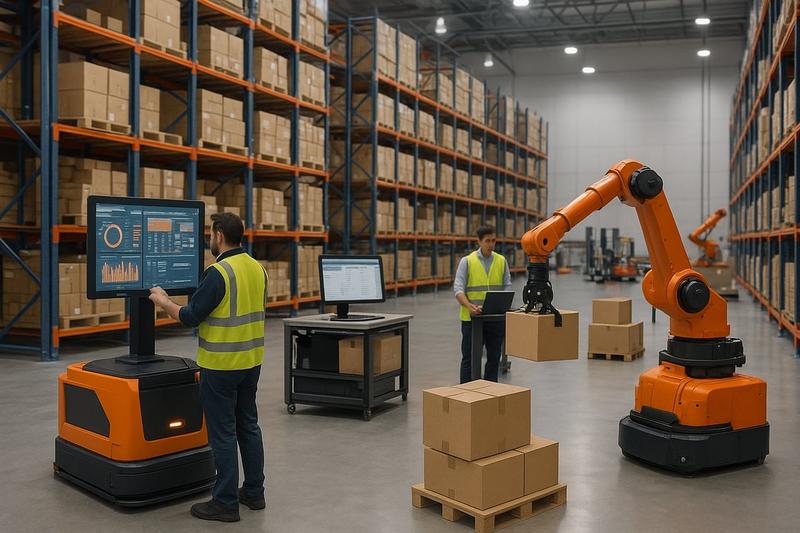
Automated warehouse systems are integrated solutions that use robotics, automation software, and smart machinery to manage, move, and store goods with minimal human intervention.
Core components include:
- Automated storage and retrieval systems (AS/RS)
- Conveyor systems
- Robotics such as AGVs and AMRs
- Warehouse management software
Examples range from robotic picking arms to fully integrated warehouse platforms. These systems support essential functions like inventory management, order fulfilment, goods movement, sorting, and packing.
After the pandemic, the uptake of automated warehouse systems has surged, growing at double-digit rates each year. However, customisation remains crucial, as every warehouse has unique requirements.
Core Technologies Powering Modern Warehouses
Modern automated warehouse systems rely on a suite of advanced technologies working in harmony.
Key technologies include:
- Robotics: AGVs, AMRs, and robotic arms perform picking, palletising, and sorting tasks.
- Automated storage and retrieval systems: High-density storage, vertical lift modules, and four-way shuttles optimise space and speed. For a deeper dive, see Automated Storage and Retrieval Systems.
- Warehouse software: WMS, WES, and WCS provide seamless control and integration across platforms.
IoT devices like sensors and RFID tags enable real-time tracking of inventory and equipment. AI and machine learning drive predictive maintenance, demand forecasting, and process optimisation.
Computer vision empowers automated quality checks, vision-based picking, and product identification. Integration is vital, ensuring all technologies communicate for true end-to-end automation.
Automated warehouse systems built on these core technologies deliver unmatched performance, flexibility, and resilience in fast-paced supply chains.
Types of Automated Warehouse Systems
There are several main types of automated warehouse systems, each designed to solve specific operational challenges.
- Goods-to-person systems: Reduce worker travel and increase picking speed.
- Automated conveyor systems: Streamline the flow of materials and minimise manual handling.
- Robotic picking and sortation: Improve accuracy and efficiently handle high order volumes.
- Palletising and depalletising solutions: Operate around the clock, reduce errors, and support ergonomic workplaces.
- Custom solutions: Tailored for industry-specific needs such as cold storage or pharmaceuticals.
A common case is e-commerce fulfilment centres using AS/RS and AMRs to accelerate order processing. These examples illustrate how automated warehouse systems are adapted to diverse business models and requirements.
Industry Applications and Use Cases
Automated warehouse systems are used in a wide range of sectors, including logistics, 3PL, e-commerce, FMCG, food and beverage, pharmaceuticals, cold storage, and manufacturing.
They help overcome challenges like labour shortages, space constraints, and workplace safety concerns. For instance, apparel and general merchandise warehouses use robotic sortation to manage complex SKU assortments and reduce errors.
The key insight is that automated warehouse systems can be deployed for both high-volume operations and specialised environments. This flexibility makes them essential for future-proofing warehouse operations.
Key Benefits of Automated Warehouse Systems
Adopting automated warehouse systems offers transformative advantages for businesses across logistics, e-commerce, manufacturing, and more. Let us explore the five core benefits shaping the future of warehousing.
Increased Efficiency and Productivity
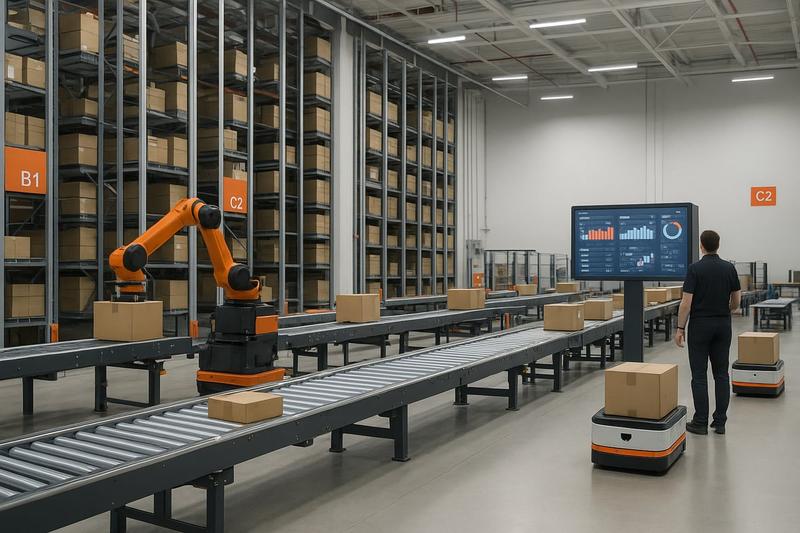
Automated warehouse systems dramatically lift throughput and operational speed. By leveraging robotics and intelligent software, warehouses can run processes around the clock with minimal downtime. AI-powered predictive maintenance ensures up to 99.9% system uptime, keeping operations consistent even during peak demand.
For example, automated sortation platforms can process thousands of orders per hour, far surpassing manual capabilities. Integrating goods-to-person automation further streamlines picking, reducing travel time and boosting fulfilment rates. This technology transforms productivity benchmarks across the supply chain.
Enhanced Accuracy and Error Reduction
Accuracy is a cornerstone of successful warehouse operations. Automated warehouse systems use advanced robotics and software to greatly reduce picking and sorting errors. These systems eliminate the inconsistencies of manual counting, sorting, and placement.
With fewer errors, businesses experience lower return rates and higher customer satisfaction. Automated solutions provide real-time inventory tracking and verification, ensuring every item is accounted for. This increased precision builds trust and reliability for both customers and partners.
Space Optimisation and Scalability
Space is a premium resource in any facility. Automated warehouse systems maximise the available footprint through vertical storage and high-density Automated Storage and Retrieval Systems (AS/RS). These solutions allow businesses to handle more inventory in the same space, reducing the need for costly expansions.
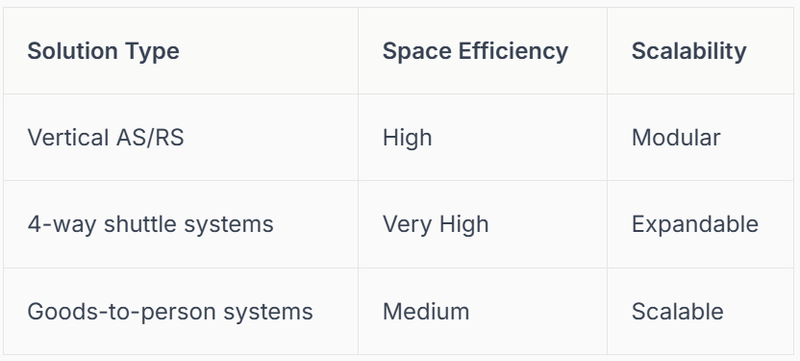
Scalable automation means systems can adapt to fluctuating demand and business growth. Companies can expand capacity by adding modules, rather than overhauling infrastructure.
Improved Safety and Ergonomics
Safety and staff wellbeing are primary concerns in modern warehousing. Automated warehouse systems help minimise human exposure to hazardous, repetitive, or physically demanding tasks. Robotic palletisers, for instance, handle heavy lifting and stacking, reducing the risk of musculoskeletal injuries.
These systems also lower the chance of workplace accidents by standardising processes and keeping people out of busy material flow zones. As a result, employees experience a safer, more ergonomic environment, and businesses benefit from reduced injury costs.
Labour Efficiency and Workforce Transformation
Automated warehouse systems address the challenge of labour shortages by reallocating human resources to higher-value roles. Rather than replacing staff, automation enables employees to focus on oversight, maintenance, and handling exceptions that require critical thinking.
This shift empowers teams to develop new skills and contribute strategically. Automation also supports workforce stability by reducing reliance on seasonal or temporary labour, making operations more resilient and future-ready.
Step-by-Step Guide to Implementing Automated Warehouse Systems
Transforming your warehouse with automated warehouse systems is a strategic journey. By following a structured approach, businesses can maximise ROI and minimise disruption. Here, we break down each critical step to guide you from assessment to successful scaling.
Step 1: Assessing Warehouse Needs and Setting Goals
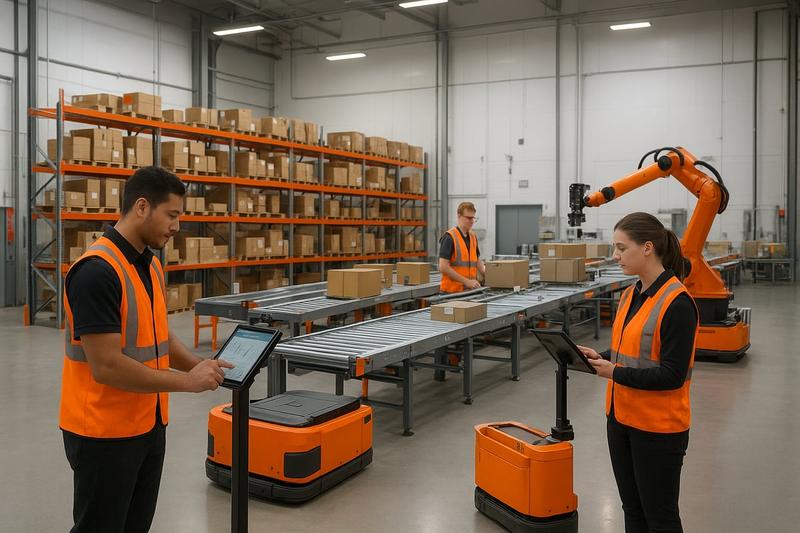
Start by conducting a comprehensive review of your existing warehouse operations. Identify bottlenecks, inefficiencies, and areas where automated warehouse systems could deliver the most value.
Bring together stakeholders from operations, IT, and management to gather diverse perspectives. Common goals include boosting throughput, improving accuracy, reducing operational costs, and ensuring scalability for future growth.
For example, a third-party logistics provider may discover that manual order picking is slowing fulfilment, making it a prime candidate for automation. Setting clear, measurable objectives will guide technology selection and system design.
Step 2: Evaluating and Selecting the Right Technologies
Once goals are defined, compare the available technologies that make up automated warehouse systems. Assess options such as automated storage and retrieval systems, AGVs, AMRs, conveyor solutions, and advanced warehouse management software.
Key factors to evaluate include:
- Compatibility with current infrastructure
- Scalability for future expansion
- Integration capabilities with existing software
- Vendor support and local expertise
Consider the role of robotics, including AGVs and AMRs, which are transforming goods movement and picking. For a deeper dive into how AGVs can fit within your automation strategy, see AGV Warehouse Automation Insights.
It is essential to ensure your selected technologies can integrate seamlessly with WMS, WES, or WCS platforms to create a cohesive automated warehouse system. E-commerce operations, for instance, may combine goods-to-person systems with robotic picking to handle peak seasonal volumes effectively.
Step 3: Designing and Customising the Solution
With technologies selected, tailor the solution to your warehouse’s unique needs. Consider your facility layout, product mix, and order profiles when designing automated warehouse systems.
Collaboration with automation specialists is crucial for system configuration. Plan for modularity, allowing future upgrades as your business evolves. For example, a cold-storage warehouse may require robotics engineered for low-temperature environments, ensuring reliability and safety.
Designing for flexibility ensures your investment continues to deliver value as market conditions and business requirements change.
Step 4: Integration with Existing Systems and Processes
Seamless integration is at the heart of successful automated warehouse systems. Connect your new automation technologies with ERP, WMS, and broader supply chain platforms to enable real-time data exchange.
Prioritise interoperability and system resilience. Test all connections thoroughly to avoid data silos and ensure robust inventory visibility. For instance, a pharmaceutical warehouse may integrate automated sortation with compliance tracking for greater accuracy.
Thorough planning at this stage minimises disruption and ensures your warehouse operates as a unified, intelligent ecosystem.
Step 5: Change Management and Workforce Training
Introducing automated warehouse systems brings change to daily operations and workforce roles. Prepare your staff with comprehensive training on system operation, troubleshooting, and safety protocols.
Key steps for change management:
- Communicate the benefits of automation early
- Offer hands-on system training
- Address concerns and encourage feedback
- Foster a culture of continuous improvement
Successful automation projects focus on employee engagement, helping staff transition to higher-value roles such as monitoring, maintenance, and exception management.
Step 6: Testing, Optimisation, and Scaling Up
Before full deployment, pilot the automated warehouse systems in a controlled environment. Monitor performance metrics such as throughput, accuracy, and system uptime to identify areas for optimisation.
Use feedback from the pilot to refine processes and address unexpected challenges. Once targets are met, gradually expand automation across more operations and sites. For example, a fast-moving consumer goods distributor may scale up after a successful pilot to handle increased order volumes.
A data-driven approach ensures continuous improvement and maximises long-term value.
Intelligent Warehouse Automation Solutions by Automate-X
Automate-X delivers tailored automated warehouse systems for logistics, 3PL, e-commerce, and manufacturing businesses in New Zealand and Australia. Their solutions cover ASRS, goods-to-person, robotics, and integrated software, providing measurable gains in productivity, accuracy, and scalability. Local expertise supports seamless implementation and ongoing optimisation for complex supply chain environments.
Latest Trends and Innovations in Warehouse Automation (2026)
The landscape of automated warehouse systems is evolving rapidly in 2026, driven by surging demand, technological breakthroughs, and shifting business priorities. According to recent market projections, the global warehouse automation sector is set to exceed $71 billion by 2033, underlining the urgency for businesses to adapt. Today’s innovations are not only transforming how goods move but also redefining supply chain agility and resilience.
Robotics and Autonomous Vehicles
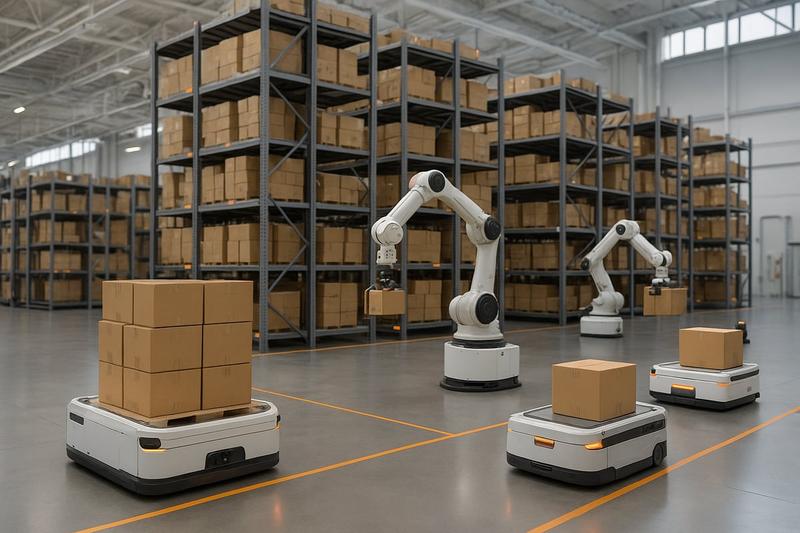
Robotics remain at the heart of automated warehouse systems, with 2026 seeing a leap in both capability and adoption. Autonomous guided vehicles (AGVs) and autonomous mobile robots (AMRs) now handle complex picking, replenishment, and goods movement with precision. Robotic picking arms, equipped with vision systems, can manage mixed-SKU palletising and high-speed sortation.
A notable innovation is the integration of tactile mobile manipulators, which offer advanced sensory feedback for delicate or varied items. For a deep dive into such cutting-edge robotics, see Tactile Mobile Manipulators for Warehouse Automation. These advancements are enabling warehouses to process diverse product types efficiently and safely.
AI, Machine Learning, and Predictive Analytics
Artificial intelligence and machine learning are core drivers of intelligent automated warehouse systems. AI-powered platforms predict demand, optimise inventory placement, and automate replenishment decisions. Machine learning algorithms streamline order picking routes and dynamically adjust operations based on real-time data.
Predictive analytics also play a pivotal role in maintenance, alerting teams to potential equipment issues before they impact uptime. As a result, warehouses achieve higher efficiency and minimise costly disruptions. This trend is set to deepen as AI continues to evolve.
IoT and Connected Warehouses
The Internet of Things (IoT) is transforming automated warehouse systems into fully connected environments. Warehouses now deploy sensors, RFID tags, and smart devices to track assets, monitor equipment health, and ensure inventory accuracy in real time.
IoT-driven visibility enables proactive management, reducing shrinkage and improving asset utilisation. For example, automated cycle counting with RFID reduces manual audits and boosts reliability. As connectivity becomes standard, warehouses gain unprecedented control and transparency.
Advanced Software Integration and Cloud Platforms
Modern automated warehouse systems leverage sophisticated software platforms to orchestrate complex operations. Warehouse management systems (WMS), execution systems (WES), and control systems (WCS) now offer seamless integration, often supported by cloud-based analytics.
Real-time dashboards provide actionable insights, while mobile access empowers teams to manage operations remotely. Cloud-based WMS solutions enable multi-site coordination and rapid scalability, making it easier to adapt to changing business needs. This software evolution is a key enabler of digital transformation.
Customisation and Flexible Automation
Flexibility is a defining feature of next-generation automated warehouse systems. Modular robotics, scalable storage, and custom software configurations allow businesses to tailor solutions for unique requirements. Robotics-as-a-Service (RaaS) models make automation accessible, reducing upfront investment.
On-demand automation supports seasonal peaks, such as e-commerce surges, without long-term capital commitments. Custom solutions ensure that automation aligns with industry-specific challenges, from cold storage to pharmaceuticals. Adaptability will remain vital as markets continue to shift.
Sustainability and Energy Efficiency
Sustainability is now central to the design of automated warehouse systems. Energy-efficient robotics, optimised material flows, and intelligent lighting systems reduce resource consumption and operational costs. Automation also minimises waste by enhancing accuracy and reducing errors.
Green initiatives, such as solar-powered warehouses and recyclable materials, are becoming standard. Businesses increasingly view sustainability not only as a corporate responsibility but also as a competitive advantage. This focus is set to intensify as environmental criteria influence investment decisions.
Overcoming Challenges and Ensuring Success
Automated warehouse systems promise significant gains, but successful adoption requires a clear-eyed approach to common hurdles, strategic planning, and ongoing evaluation. Let’s explore the key challenges, best practices, and proven strategies to maximise your investment in automated warehouse systems.
China’s Fully Automated Warehouses and Factories Redefine Industry
Common Implementation Challenges
Deploying automated warehouse systems often brings integration complexity, cultural resistance, and capital investment concerns to the forefront.
- Integrating new automation with legacy IT systems can cause delays if data or software compatibility issues arise.
- Workforce adaptation is another hurdle, as staff may feel uncertain about changing roles or technology adoption.
- High initial costs and uncertainty about ROI can slow decision-making for some organisations.
For example, some companies experience project slowdowns due to siloed data or incompatible software. As seen in Amazon's Expansion of Warehouse Robotics, large-scale automation efforts can also impact workforce dynamics, requiring new training and team structures. Addressing these challenges early is critical for seamless implementation of automated warehouse systems.
Best Practices for a Smooth Transition
A structured approach helps organisations unlock the full value of automated warehouse systems. Start by involving stakeholders from the outset, including operations, IT, and leadership teams.
- Communicate clearly and consistently about project goals and expected impacts.
- Begin with phased implementation, using pilot projects to test and refine new processes.
- Invest in regular training and ongoing support to build workforce confidence with automated warehouse systems.
For example, a 3PL provider formed a cross-functional team to champion automation adoption, resulting in faster buy-in and smoother rollout. These best practices minimise disruption and maximise the benefits of automated warehouse systems.
Measuring ROI and Performance
Evaluating the success of automated warehouse systems requires tracking key performance indicators (KPIs) before and after deployment.
Table: Key KPIs for Automated Warehouse Systems
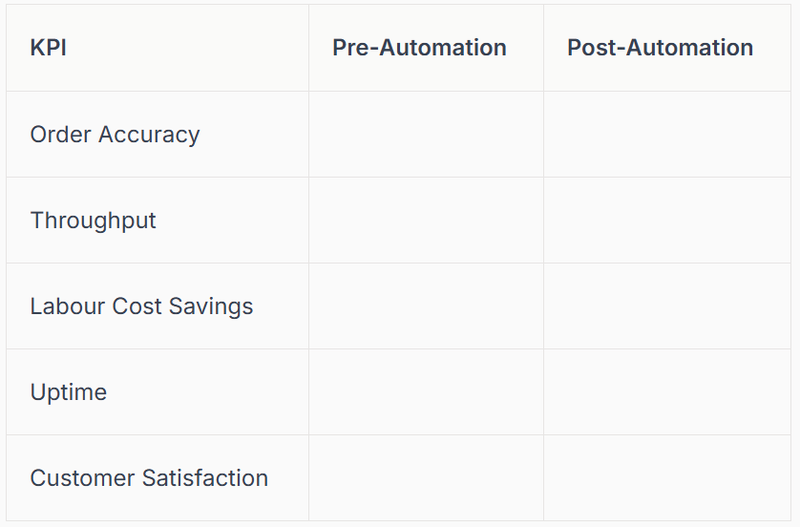
Benchmarking these metrics helps organisations identify improvements in productivity, error rates, and customer satisfaction. Automated warehouse systems consistently show increased throughput and reduced operational costs, making ROI measurement a powerful tool for ongoing optimisation.
Future-Proofing Your Warehouse Investment
To ensure long-term success, invest in modular and scalable automated warehouse systems. This approach allows facilities to adapt as technology advances or business needs evolve.
- Stay informed about new advancements in robotics, AI, and integration platforms.
- Build strong partnerships with experienced automation providers.
- Regularly review industry standards and best practices.
For deeper insights into the strategic impact of AI on warehouse environments, the report on AI's Role in Next-Generation Industrial Real Estate highlights how technology is shaping future-ready facilities. Future-proofing ensures that automated warehouse systems remain a competitive asset for years to come.
Real-World Success Stories and Case Studies
Evidence from diverse sectors shows that tailored automated warehouse systems deliver tangible results.
- An e-commerce giant improved order processing speeds by 30 percent through AS/RS and robotics.
- A food and beverage distributor cut manual handling injuries in half after introducing automation.
- Pharmaceutical operations enhanced compliance and traceability with integrated automated warehouse systems.
The common thread in these examples is the combination of industry expertise and customised solutions. Organisations that leverage automated warehouse systems strategically are best positioned to thrive in the evolving logistics landscape.
As you’ve seen throughout this guide, automated warehouse systems are transforming how we manage logistics, improve productivity, and achieve scalable growth. Whether you’re looking to streamline order fulfilment, boost accuracy, or stay ahead of industry trends, adopting intelligent automation is the key to future-proofing your operations. If you’re ready to take the next step and see real results in your warehouse, I encourage you to Start Your Automation Journey today. You’ll gain the insights and support you need to turn complex challenges into new opportunities for your business.