

Automation Systems: A Complete Guide for Warehouses
Share on
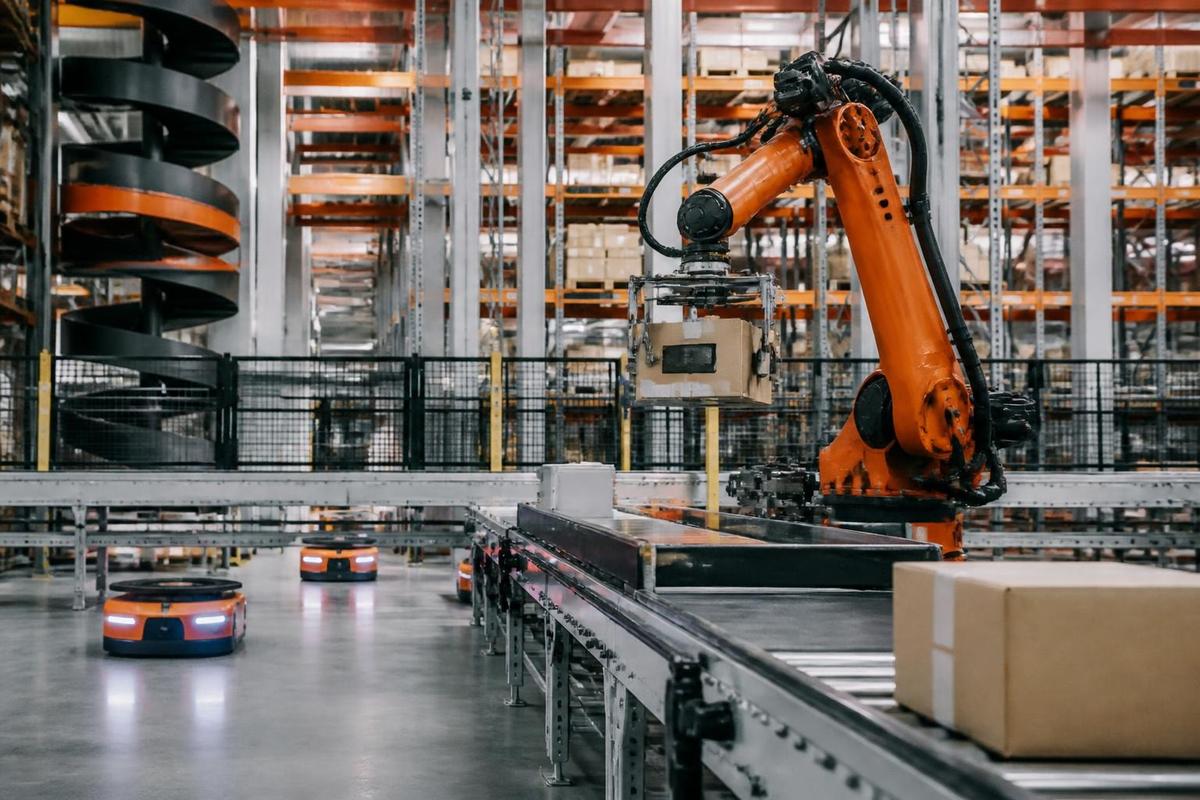
Modern warehouse operations face unprecedented pressure to deliver faster, more accurately, and at lower costs than ever before. As consumer expectations evolve and supply chains become increasingly complex, traditional manual processes simply cannot keep pace. Automation systems have emerged as the critical solution for logistics providers, third-party logistics (3PL) operations, and distribution centers seeking to remain competitive in 2026's demanding marketplace. These integrated technological solutions combine hardware, software, and intelligent controls to transform how goods move through facilities, fundamentally reshaping warehouse productivity and scalability.
Understanding Modern Automation Systems
Automation systems represent comprehensive technological frameworks designed to execute tasks with minimal human intervention. Within warehouse environments, these systems encompass a broad spectrum of technologies working in concert to manage inventory, fulfill orders, and optimize material flow throughout facilities.
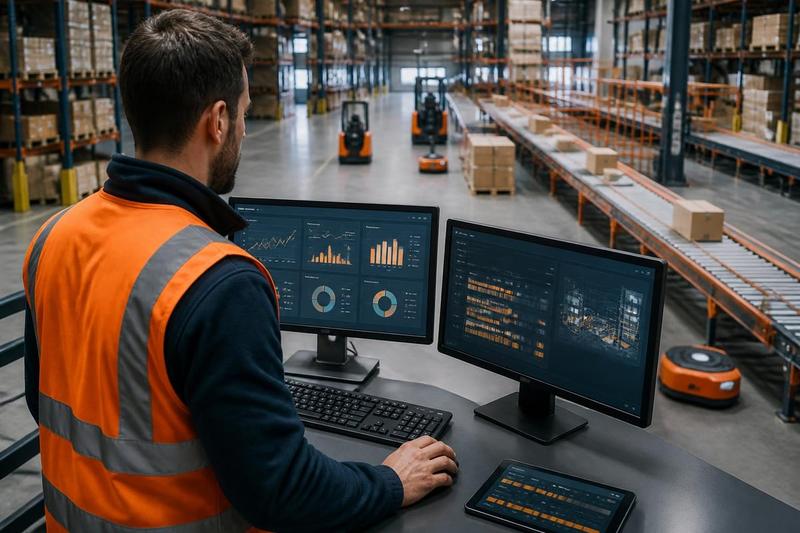
The core components of warehouse automation systems include physical equipment such as conveyor systems, sortation technology, and robotic devices, paired with sophisticated software platforms that orchestrate operations. Control systems serve as the nervous system, coordinating individual elements while adapting to real-time conditions. This integration allows facilities to process thousands of orders daily with precision that manual operations cannot match.
Key Technologies Driving Warehouse Automation
Several distinct technologies form the foundation of comprehensive automation systems:
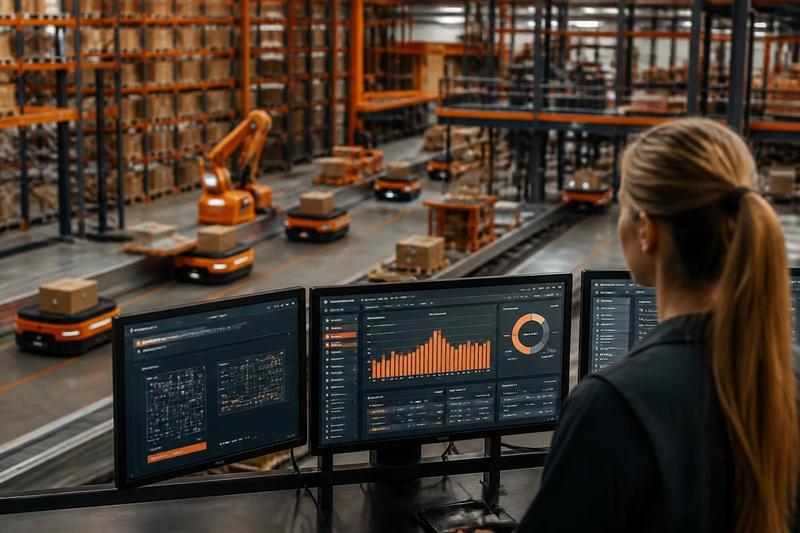
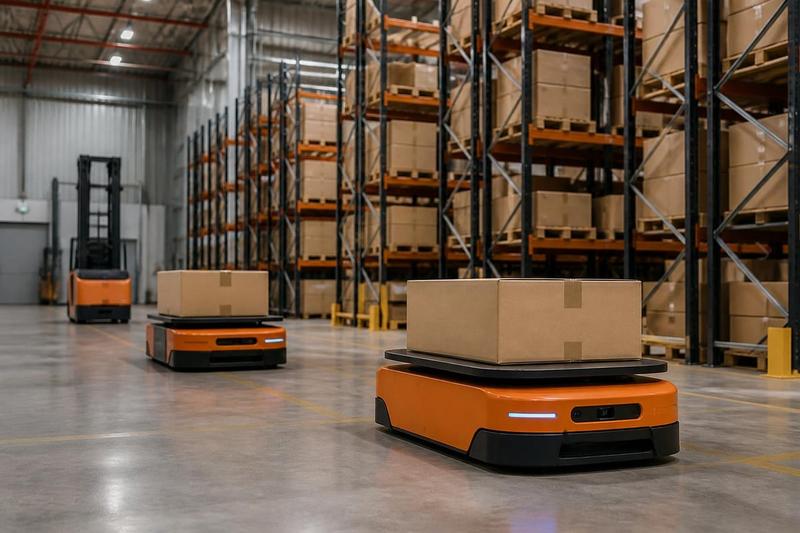
- Autonomous Mobile Robots (AMRs) navigate warehouse floors independently, transporting goods between locations
- Automated Storage and Retrieval Systems (AS/RS) maximize vertical space while accelerating inventory access
- Conveyor and sortation networks create continuous material flow pathways throughout facilities
- Robotic picking systems handle item selection with increasing sophistication
- Warehouse Management Systems (WMS) provide the software intelligence coordinating all operations
According to industrial automation market analysis, the sector is experiencing substantial growth driven by efficiency demands and labor challenges. This expansion reflects how businesses across industries recognize automation systems as essential infrastructure rather than optional enhancements.
The Evolution of Warehouse Automation
Warehouse automation systems have progressed dramatically over recent decades. Early implementations featured fixed conveyor lines and basic mechanization, offering limited flexibility. Today's systems incorporate artificial intelligence, machine learning, and adaptive algorithms that continuously optimize performance based on operational data.
Modern automation systems can scale operations dynamically, adjusting to seasonal peaks and evolving business requirements. This adaptability proves particularly valuable for e-commerce fulfillment operations experiencing rapid growth or fluctuating demand patterns. The integration of AI into automation frameworks represents a significant technical advancement, enabling systems to make autonomous decisions and improve efficiency over time.
Business Benefits of Implementing Automation Systems
The strategic value of automation systems extends far beyond simple productivity gains. Organizations implementing these technologies experience transformative improvements across multiple operational dimensions.
Operational Efficiency and Throughput
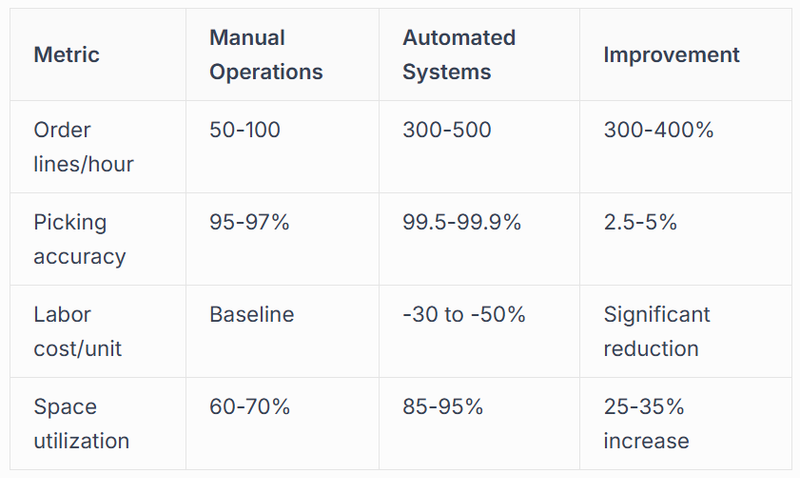
Automation systems dramatically accelerate order processing speeds while maintaining consistency. Where manual operations might process 50-100 lines per hour, automated systems can exceed 300-500 lines per hour depending on configuration. This throughput increase allows businesses to handle greater order volumes without proportional facility expansion.
Labor productivity improves significantly as employees transition from physically demanding tasks to supervisory and exception-handling roles. This shift reduces fatigue-related errors while enabling workers to focus on higher-value activities requiring human judgment and problem-solving capabilities.
Accuracy and Quality Improvements
Automation systems virtually eliminate common fulfillment errors that plague manual operations. Barcode scanning, weight verification, and computer vision technologies ensure the correct products reach customers consistently. This accuracy improvement directly impacts customer satisfaction while reducing costly returns and replacements.
For industries like pharmaceuticals and food and beverage, where regulatory compliance demands precise tracking and documentation, automation systems provide integrated compliance capabilities. Every item movement generates digital records, creating complete audit trails without additional manual documentation effort.
Scalability and Flexibility
Perhaps the most strategic advantage of modern automation systems lies in their scalability. Businesses can begin with core functionality and expand capabilities as operations grow. This modular approach allows organizations to match investment with business development rather than requiring massive upfront capital commitments.
For small and medium businesses hesitant about automation costs, solutions like the Automate-X GTP Starter Grid provide accessible entry points into warehouse automation. These starter systems deliver immediate productivity improvements while establishing the foundation for future expansion as business volumes increase.
Selecting the Right Automation Systems for Your Operations
Choosing appropriate automation systems requires careful assessment of current operations, future growth projections, and specific industry requirements. The technology that transforms one facility may prove unsuitable for another with different operational characteristics.
Assessing Operational Requirements
Begin by analyzing your facility's specific challenges and opportunities:
- Order profile analysis examining SKU velocity, order line composition, and volume patterns
- Facility assessment evaluating available space, layout constraints, and infrastructure capacity
- Product characteristics considering dimensions, weight, fragility, and handling requirements
- Process mapping identifying bottlenecks, inefficiencies, and improvement opportunities
- Growth projections estimating volume increases and potential business model changes
This foundational analysis ensures automation systems align with actual operational needs rather than theoretical capabilities. Many implementations fail because organizations deploy impressive technology mismatched to their specific requirements.
Technology Selection Considerations
Different automation technologies suit different operational profiles. High-volume e-commerce operations with thousands of small SKUs benefit from goods-to-person systems and robotic picking. Conversely, facilities handling larger items or full-case picking may prioritize conveyor networks and automated storage systems.
Consider these factors when evaluating specific technologies:
- Throughput requirements: Can the system handle peak volumes with adequate capacity buffer?
- Accuracy standards: Does the technology meet your quality and compliance requirements?
- Integration complexity: How easily does the system connect with existing WMS and ERP platforms?
- Operational flexibility: Can the system adapt to product mix changes and new fulfillment models?
- Maintenance requirements: What ongoing support and technical expertise does the technology demand?
Research from ABI Research on industrial automation emphasizes that software-defined systems offer greater adaptability as operational requirements evolve, making them particularly attractive for dynamic warehouse environments.
Return on Investment Analysis
Automation systems represent significant capital investments requiring thorough financial justification. Comprehensive ROI analysis should account for both quantifiable savings and strategic benefits:
Direct cost savings include reduced labor requirements, decreased error-related expenses, and improved space utilization. Operational improvements encompass increased throughput, enhanced accuracy, and extended operating hours. Strategic advantages involve improved customer satisfaction, enhanced competitive positioning, and increased business capacity.
Most warehouse automation projects achieve payback periods between 18-36 months, though this varies considerably based on labor costs, operational volumes, and system scope. Organizations should model multiple scenarios accounting for business growth and changing market conditions.
Implementation Strategies for Automation Systems
Successful automation system deployment requires methodical planning, cross-functional coordination, and realistic timeline expectations. The implementation process significantly influences long-term system performance and user adoption.
Phased Implementation Approach
Rather than attempting complete facility transformation simultaneously, progressive implementation proves more manageable and less disruptive:
Phase 1: Foundation establishes core infrastructure including network connectivity, power distribution, and essential software platforms. This phase creates the technical foundation supporting subsequent automation additions.
Phase 2: Core automation deploys primary systems addressing the most significant operational bottlenecks. This typically includes main conveyor lines, primary storage systems, or initial robotic cells.
Phase 3: Advanced capabilities adds sophisticated technologies like autonomous mobile robots, automated picking systems, or advanced sortation equipment once core systems operate reliably.
Phase 4: Optimization and expansion fine-tunes system performance, expands capacity, and integrates additional functionality based on operational experience.
This staged approach allows teams to develop expertise progressively while minimizing operational disruption. It also distributes capital investment over extended periods, easing financial pressure.
Change Management and Training
Technology implementation success depends heavily on workforce preparation and buy-in. Automation systems change job responsibilities fundamentally, requiring comprehensive change management strategies.
Effective training programs should address multiple skill levels:
- Operators require hands-on training for daily system interaction and basic troubleshooting
- Supervisors need deeper understanding of system capabilities and performance optimization
- Maintenance teams must develop technical expertise for preventive maintenance and repairs
- Management benefits from strategic training on leveraging automation data for decision-making
Organizations often underestimate training requirements, leading to suboptimal system utilization. Budget adequate time and resources for skill development as integral components of automation implementation.
Integration with Existing Systems
Automation systems must integrate seamlessly with warehouse management systems, enterprise resource planning platforms, and transportation management software. This integration enables coordinated operations and data visibility across the supply chain.
Successful integration requires:
- Clear data standards and communication protocols
- Robust API connections between systems
- Real-time data synchronization ensuring consistent information
- Exception handling procedures for system conflicts or errors
- Comprehensive testing before production deployment
Many companies underestimate integration complexity, resulting in costly delays and suboptimal performance. Engage integration specialists early in planning to avoid common pitfalls, as highlighted by research on automated manufacturing companies and their implementation experiences.
Industry-Specific Automation Considerations
Different industries face unique operational requirements that influence automation system design and technology selection. Understanding these industry-specific factors ensures implementations deliver maximum value.
E-commerce and Retail Fulfillment
E-commerce operations typically process high order volumes with small line quantities and diverse SKU mixes. Automation systems for these environments prioritize rapid picking speeds, high accuracy, and flexibility to handle promotional surges. Goods-to-person technologies, robotic picking cells, and sophisticated sortation systems prove particularly effective.
Same-day and next-day delivery promises demand extended operating hours, making automation systems essential for maintaining service levels without unsustainable labor costs. Peak season scalability becomes critical, with systems needing capacity to handle 2-3x normal volumes during holiday periods.
Third-Party Logistics (3PL)
3PL providers manage inventory for multiple clients simultaneously, requiring automation systems with robust multi-tenant capabilities. Systems must maintain strict inventory segregation while sharing facility resources efficiently. Flexibility proves paramount as client requirements, product mixes, and volume patterns change frequently.
According to factory automation market analysis, 3PL operations increasingly adopt modular automation systems that adapt quickly to changing client portfolios and evolving service offerings.
Food and Beverage Distribution
Food and beverage operations face unique challenges including temperature control requirements, first-in-first-out inventory management, and stringent hygiene standards. Automation systems for these environments must accommodate cold storage conditions, manage expiration dates automatically, and facilitate regular sanitation procedures.
Batch tracking and lot traceability become critical for food safety compliance. Automation systems provide integrated tracking capabilities ensuring rapid response to potential contamination issues or product recalls.
Pharmaceutical Warehousing
Pharmaceutical distribution demands exceptional accuracy and comprehensive documentation for regulatory compliance. Automation systems in this sector incorporate serial number tracking, temperature monitoring, and complete chain-of-custody records for controlled substances.
Security features including restricted access zones, video verification, and audit trails prove essential. The technology must support Good Distribution Practice (GDP) requirements while maintaining the efficiency necessary for competitive operations.
Future Trends Shaping Automation Systems
Warehouse automation continues evolving rapidly as technologies mature and new innovations emerge. Understanding these trends helps organizations plan investments with longevity and avoid premature obsolescence.
Artificial Intelligence and Machine Learning Integration
AI-powered automation systems increasingly make autonomous decisions based on operational data and learned patterns. These systems optimize pick paths dynamically, predict maintenance requirements before failures occur, and adjust workflows automatically based on order characteristics.
Machine learning algorithms analyze historical performance to identify improvement opportunities human operators might miss. This continuous optimization drives incremental efficiency gains that compound over time.
Collaborative Robotics
Next-generation automation systems feature robots working alongside human employees rather than replacing them entirely. These collaborative robots (cobots) handle physically demanding or repetitive tasks while humans manage exceptions and complex decisions.
This human-robot collaboration model proves particularly effective for operations with diverse product mixes or frequent changes that pure automation struggles to accommodate. It provides automation benefits while retaining the flexibility and judgment human workers offer.
Software-Defined Automation
The shift toward software-defined systems separates control logic from physical hardware, enabling greater flexibility and easier updates. Research from the U.S. automation and control system market indicates this approach allows businesses to modify system behavior through software changes rather than requiring physical reconfigurations.
This architectural approach extends system lifespan and reduces upgrade costs as business requirements evolve. Organizations can adapt automation systems to new fulfillment models or operational strategies without replacing substantial hardware investments.
Sustainability and Energy Efficiency
Environmental considerations increasingly influence automation system design and selection. Modern systems incorporate energy-efficient components, regenerative braking, and intelligent power management reducing operational costs while supporting sustainability objectives.
Automation also enables warehouse footprint reduction through improved space utilization, decreasing building energy consumption per unit handled. As sustainability becomes more critical to corporate strategy and customer expectations, these environmental benefits add to automation's strategic value proposition.
Overcoming Common Implementation Challenges
Despite substantial benefits, automation system implementations face predictable challenges. Anticipating these obstacles and developing mitigation strategies increases success probability significantly.
Managing Disruption During Installation
Installing automation systems inevitably disrupts normal operations to some degree. Minimize impact through careful planning, staged installations, and temporary operational adjustments. Some organizations establish parallel temporary operations while automation systems undergo installation and commissioning.
Clear communication with customers about potential service impacts during transition periods prevents surprises and maintains relationship trust. Most customers accept temporary delays when they understand the long-term service improvements automation will deliver.
Addressing Technical Integration Issues
System integration challenges often emerge during implementation despite thorough planning. Establish clear escalation procedures and maintain close vendor collaboration during commissioning. Dedicate internal technical resources to integration oversight rather than relying exclusively on external consultants.
Comprehensive testing protocols identifying issues before production cutover prove invaluable. Budget additional time for integration troubleshooting beyond vendor estimates, as unforeseen complications commonly arise.
Building Internal Expertise
Automation systems require new skill sets many warehouse teams initially lack. Developing internal expertise takes time and structured effort. Partner with equipment suppliers offering comprehensive training programs and ongoing technical support during the critical first year of operation.
Consider hiring experienced automation specialists to accelerate knowledge development and provide mentorship for existing staff. This expertise proves especially valuable for complex troubleshooting and performance optimization.
Achieving Projected ROI
Some implementations fail to deliver expected returns due to overly optimistic projections or inadequate system utilization. Set realistic performance expectations based on industry benchmarks and comparable installations. Monitor key performance indicators continuously, identifying and addressing underperformance promptly.
Regular performance reviews comparing actual results against projections help identify optimization opportunities and ensure systems deliver promised value. Most automation systems require 6-12 months of operation before reaching optimal performance levels as teams develop proficiency and processes mature.
Automation systems represent transformative investments that fundamentally reshape warehouse operations, delivering substantial improvements in efficiency, accuracy, and scalability. By carefully assessing operational requirements, selecting appropriate technologies, and executing methodical implementations, logistics and distribution businesses position themselves for sustainable competitive advantage in increasingly demanding markets. Automate-X specializes in intelligent warehouse automation solutions combining modern robotics, sophisticated software, and seamless system integration to help logistics providers, 3PLs, and distribution operations achieve their operational goals and scale effectively for future growth.