

Goods to Person Automation Guide: Smarter Warehousing 2026
Share on
In 2026, warehouses face mounting pressure to boost efficiency and stay ahead in a fast-changing market. Goods to person automation is quickly becoming the cornerstone of this transformation.
This guide explores how goods to person automation empowers warehouses to become smarter, faster, and more scalable than ever before. We break down what GTP automation is, how it compares to traditional fulfilment methods, and the leading technologies you need to know.
You will discover step-by-step implementation strategies, real-world ROI, and the operational benefits driving adoption. Dive in to learn how future-ready automation can help your business thrive in a competitive supply chain landscape.
Understanding Goods to Person Automation
In today's fast-paced supply chain, goods to person automation is changing the way warehouses operate. Instead of walking long distances to pick items, operators now have inventory brought directly to them by advanced systems. This shift is driving significant gains in productivity and accuracy for warehouses facing increasing pressure to deliver more, faster.
What is Goods to Person Automation?
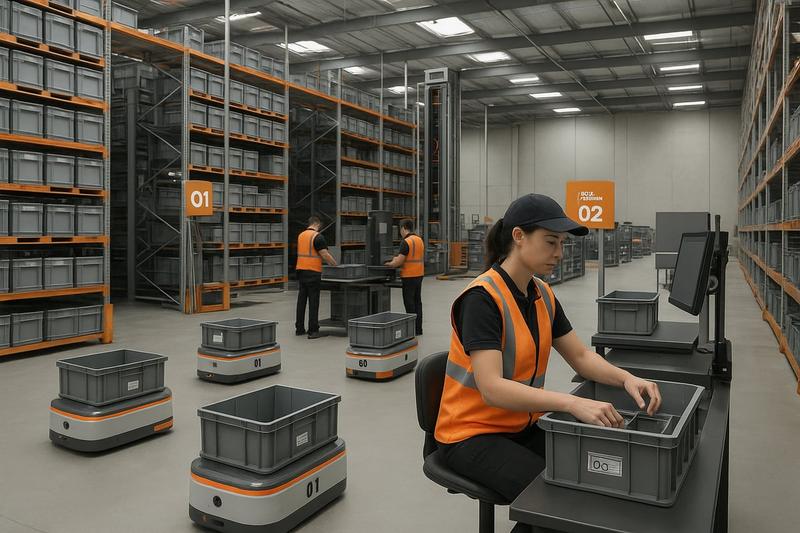
Goods to person automation refers to automated systems that bring inventory directly to warehouse operators at pick stations. Unlike traditional person to goods (PTG) methods, where staff walk many kilometres each day, GTP solutions dramatically reduce unnecessary movement. Operators remain at ergonomic workstations while technology handles the transport of goods.
Key technologies powering goods to person automation include Automated Storage and Retrieval Systems (ASRS), Autonomous Mobile Robots (AMRs), conveyor systems, and shuttle systems. These solutions are widely adopted in e-commerce fulfilment, third-party logistics (3PL), fast-moving consumer goods (FMCG), pharmaceutical distribution, and cold storage environments.
For example, AMRs can reduce operator walking by up to 90 percent compared to manual picking, based on inVia Robotics data. This not only boosts productivity but also improves worker comfort and safety. In New Zealand and Australia, adoption of goods to person automation is accelerating as businesses seek scalable, flexible solutions for fluctuating demand and seasonal peaks.
To dive deeper into the core concepts and benefits, see this Goods-to-person automation overview.
Goods to Person vs. Other Picking Methods
How does goods to person automation compare with other warehouse picking approaches? The traditional person to goods method relies on manual picking, which is labour intensive and less accurate. Zone picking divides the warehouse into sections, reducing walking but sometimes causing bottlenecks between zones. Batch or wave picking is efficient for similar orders but can lack flexibility for urgent fulfilment.
Hybrid strategies often combine goods to person automation with manual or zone picking for handling oversized or slow-moving items. This allows warehouses to match the right technology to the right SKU profile. Data shows that goods to person automation can increase picking productivity by three to five times over person to goods methods, according to inVia and ShipBob.
Consider an e-commerce warehouse that uses goods to person automation for fast-moving products while relying on manual picking for bulky or irregular goods. This blended approach maximises speed, accuracy, and cost effectiveness. As more warehouses adopt GTP, the focus remains on scalability and adapting to ever-changing customer demands.
Types and Technologies of Goods to Person Systems
To unlock the full potential of goods to person automation, it is essential to understand the main system types and technologies driving this shift. Each technology offers distinct benefits, making it possible to tailor automation solutions to the unique needs of every warehouse.
Automated Storage and Retrieval Systems (ASRS)
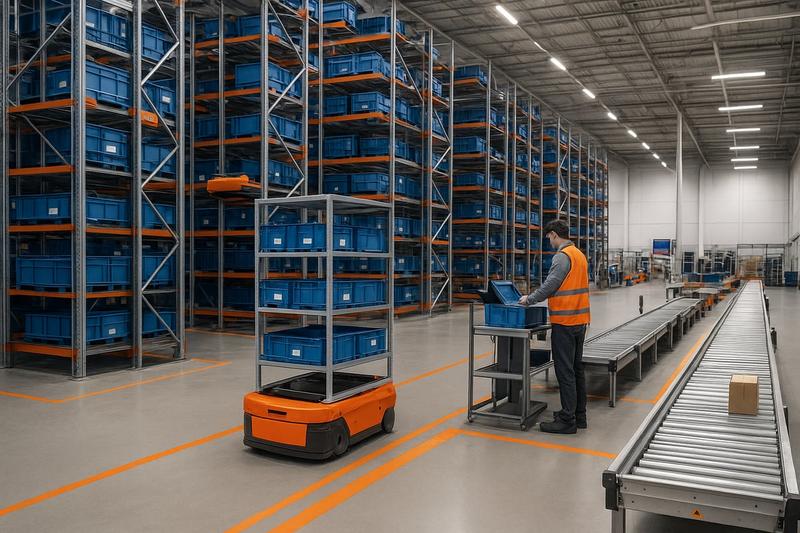
Automated Storage and Retrieval Systems, or ASRS, are a cornerstone of goods to person automation. These fixed, high-density systems use robotic shuttles or cranes to store and retrieve inventory, delivering totes or trays directly to pick stations. ASRS maximises vertical space, allowing warehouses to store more products in a smaller footprint.
The benefits are significant: higher storage density, consistent throughput, and reduced walking for operators. However, ASRS requires a larger upfront investment and may need infrastructure upgrades. For example, a 4-way shuttle ASRS in pharmaceutical storage can achieve high throughput with minimal floor space.
For a deeper dive into how ASRS works and its role within goods to person automation, visit Automated storage and retrieval systems.
Autonomous Mobile Robots (AMRs)
Autonomous Mobile Robots are transforming goods to person automation with their flexibility and scalability. AMRs move goods such as totes or racks directly to operators, adapting easily to warehouse layout changes. This makes them ideal for facilities with dynamic product ranges or fluctuating order profiles.
By deploying AMRs, warehouses can enable 24/7 operations and real-time order prioritisation. In a 3PL environment, AMRs allow businesses to scale up or down quickly. Data shows that AMRs can reduce operator walking time by as much as 90 percent, freeing staff to focus on high-value tasks and boosting overall efficiency.
Racks-to-Person vs. Tote-to-Person
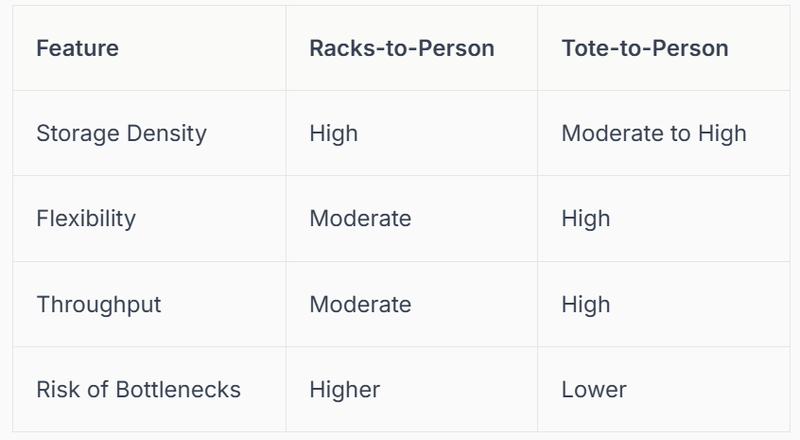
There are two main approaches within goods to person automation: racks-to-person and tote-to-person. In racks-to-person systems, robots transport entire storage racks to pick stations, offering high storage density and efficiency for small-item picking. However, if the pace of robots and humans is not well balanced, bottlenecks can occur.
Tote-to-person systems, in contrast, have robots deliver individual totes to operators. This decouples human and robotic workflows, resulting in smoother processes, less congestion, and higher throughput. For example, many e-commerce warehouses use tote-to-picker wall systems to handle bursts of orders with maximum speed and accuracy.
Integrated Conveyor and Shuttle Systems
Conveyor and shuttle systems are essential components in many goods to person automation strategies. Conveyor systems move goods between storage and picking zones with speed and reliability. Shuttle systems enable rapid, multi-level movement of totes or trays, further increasing picking efficiency.
When integrated with warehouse management or control software, these systems create seamless flows and intelligent task assignment. For instance, an FMCG warehouse can use conveyors for high-speed order assembly, ensuring rapid and accurate fulfilment during peak periods.
Warehouse Software and Intelligence
Software is the brain behind goods to person automation. Warehouse Management Systems (WMS) and Warehouse Control Systems (WCS) coordinate robots, conveyors, and pick stations for maximum productivity. Artificial intelligence and simulation tools, such as digital twins, help optimise layouts and predict workflow bottlenecks before they occur.
Advanced analytics allow managers to monitor key performance indicators in real time and adjust operations to meet changing demand. By leveraging intelligent software, warehouses can increase pick rates, reduce downtime, and ensure their goods to person automation investments deliver ongoing value.
Step-by-Step Guide to Implementing Goods to Person Automation
Implementing goods to person automation is a transformative process for any warehouse. Careful planning, clear objectives, and structured execution are essential for success. This guide walks you through each step, helping you unlock the full potential of goods to person automation in your facility.
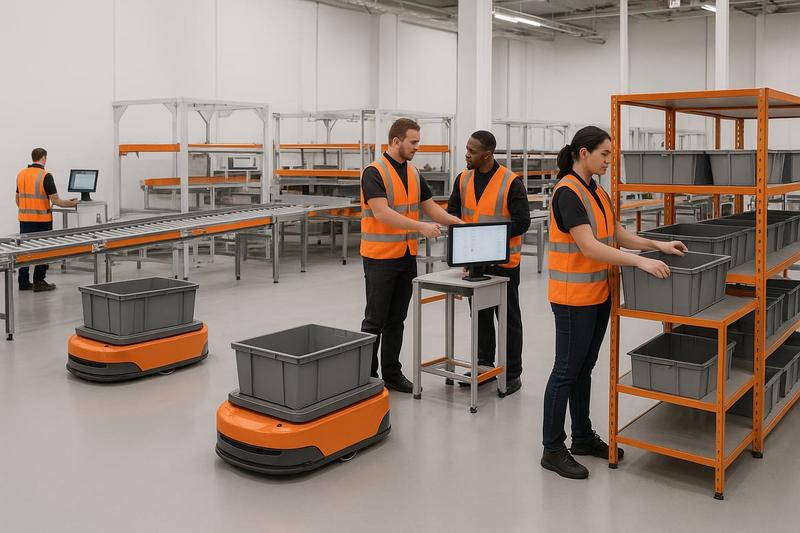
Step 1: Assess Operational Needs
Begin your journey by analysing your warehouse’s unique requirements. Review order profiles, SKU velocity, storage space, and current labour costs. Identify where inefficiencies exist, such as excessive walking, picking errors, or throughput constraints.
Create a checklist to capture these insights:
- Average daily/peak order volumes
- SKU movement frequency and seasonality
- Walking distance per pick
- Error rates and returns
By understanding your baseline, you can set clear goals for goods to person automation and ensure the solution addresses real pain points.
Step 2: Define System Requirements
Next, translate your findings into technical and operational requirements. Decide on throughput targets, storage density, and flexibility for future growth. Consider whether an ASRS, AMR-based system, shuttle solution, or a hybrid approach best fits your needs.
Key factors to define include:
- Targeted pick rates (units per hour)
- Types of SKUs (size, weight, temperature sensitivity)
- Scalability options for peak periods
- Integration needs with existing software
A well-defined scope streamlines the selection of goods to person automation technologies and prevents costly missteps.
Step 3: Solution Design and Simulation
Use digital tools and simulation software to model potential solutions. Digital twins allow you to visualise workflows, test automation scenarios, and predict performance before committing to physical changes.
For example, simulate different AMR fleet sizes or rack configurations to see their impact on pick rates and walking reduction. This proactive approach ensures your goods to person automation system is optimised for both current and future demands.
Step 4: Integration with Existing Systems
Seamless integration is vital for maximising efficiency. Map out how your new automation will connect with existing WMS, ERP, and order management platforms. Ensure data flows smoothly for:
- Real-time inventory tracking
- Order status updates
- Automated replenishment and reporting
A successful goods to person automation rollout depends on synchronised software, accurate inventory data, and robust reporting tools.
Step 5: Procurement and Vendor Selection
Choose your automation partners carefully. Evaluate vendors on technology, support, scalability, and local expertise. Consider the total cost of ownership, including maintenance, upgrades, and future-proofing.
A comparison table can clarify your decision:
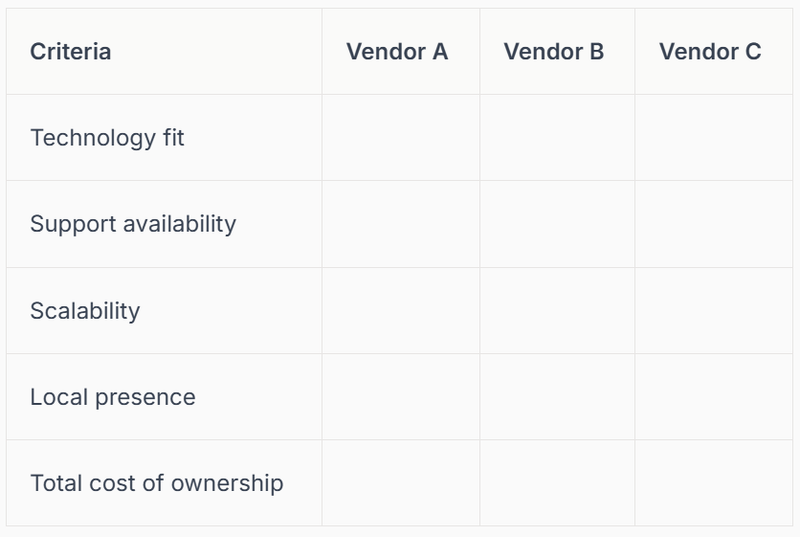
Selecting the right partner is crucial for long-term goods to person automation success.
Step 6: Installation and Commissioning
Prepare your warehouse by upgrading infrastructure, implementing safety measures, and scheduling comprehensive staff training. A phased rollout minimises disruption and allows for process refinement.
Key tasks include:
- Installing power, network, and safety systems
- Setting up pick stations and robotics
- Testing system integration and workflows
Careful commissioning ensures that goods to person automation operates smoothly from day one.
Step 7: Go-Live and Continuous Optimisation
Monitor key performance indicators such as pick rate, order accuracy, and system uptime after launch. Use data analytics to identify bottlenecks and areas for improvement.
Regularly review system performance and engage with your vendor for ongoing support. For insights on achieving measurable operational benefits and best practices, explore the Benefits of Goods-to-Person Warehouse Automation.
Continuous optimisation ensures your goods to person automation system adapts to changing business needs, delivering sustained value and competitive advantage.
Key Benefits and ROI of Goods to Person Automation
In the rapidly evolving world of logistics, the advantages of goods to person automation are transforming warehouse operations. This section explores how these systems deliver measurable gains in productivity, accuracy, cost savings, and scalability for modern supply chains.
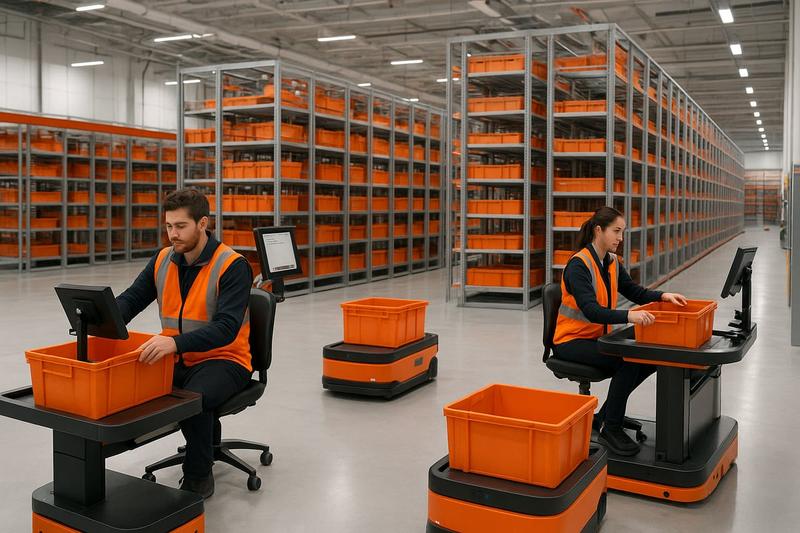
Productivity and Efficiency Gains
One of the most compelling benefits of goods to person automation is the dramatic improvement in productivity. By bringing inventory directly to operators, these systems eliminate unnecessary walking and manual searching. Studies show that operator walking time can be reduced by up to 90 percent, allowing staff to focus on picking tasks.
Typical productivity gains range from three to five times higher than manual methods. According to IDTechEx Analysis on Goods-to-Person Efficiency, these technologies significantly enhance throughput, enabling warehouses to process more orders without increasing headcount.
Improved Order Accuracy and Quality
Goods to person automation is designed to reduce picking errors and improve order accuracy. Automated systems deliver the correct item to each operator, minimising the risk of human error. Most solutions achieve over 99 percent accuracy, with some reaching as high as 99.9 percent due to robotic precision.
Improved accuracy means fewer returns, higher customer satisfaction, and better overall service quality. As e-commerce and on-demand fulfilment continue to rise, the ability to maintain consistent accuracy is a powerful competitive differentiator.
Labour Optimisation and Cost Reduction
With goods to person automation, warehouses can address growing labour challenges and rising wage costs. Operators can handle significantly more orders per shift because the system brings goods directly to them, reducing fatigue and manual effort.
This automation reduces the need for extra staff, especially during peak periods. Flexible systems also allow businesses to scale operations up or down without major hiring or layoffs. Over time, this leads to substantial cost savings and a more stable workforce.
Space Utilisation and Scalability
Efficient use of space is another hallmark of goods to person automation. Systems like ASRS and shuttle solutions maximise vertical storage, freeing up valuable floor area for other activities. This makes it possible to store more SKUs in a smaller footprint.
As businesses grow, modular goods to person automation can expand alongside them. Whether adding new product lines or responding to seasonal demand, these solutions scale easily, supporting long-term business growth without major infrastructure changes.
Fast ROI and Lower Total Cost of Ownership
Investing in goods to person automation often delivers a quick return. Many systems, especially those using AMRs or subscription-based models, offer payback periods of one to two years. The reduction in labour costs and errors, combined with higher throughput, drives rapid ROI.
According to the Goods-to-Person Picking Robots Market Outlook, the global market for these systems is expanding as companies recognise the long-term savings and adaptability. Lower maintenance requirements and the ability to adjust to changing product mixes further reduce total cost of ownership.
Enhanced Safety and Ergonomics
Goods to person automation improves workplace safety by reducing manual handling and repetitive movements. Operators work in ergonomically designed pick stations, which lowers the risk of injuries and physical strain.
A safer, more comfortable work environment not only protects staff but also supports higher morale and retention. As automation takes over the most physically demanding tasks, operators can focus on value-added activities and system oversight.
Overcoming Challenges and Future Trends in GTP Automation
Warehouses adopting goods to person automation often encounter a unique set of challenges. While the promise of efficiency is clear, the journey to full implementation can be complex. Understanding these barriers and the latest trends is essential for future-proofing your warehouse operations.
Dematic Goods to Person Picking
Common Implementation Challenges
Implementing goods to person automation can require significant capital investment, especially for fixed systems like ASRS. Integration with legacy WMS or ERP platforms adds complexity, particularly when dealing with diverse product types. Change management is another hurdle, as staff must adapt to new technology and altered workflows.
A frequent bottleneck occurs in racks-to-person systems if robot speeds and human picking rates are not properly balanced. For many organisations, scaling automation to match fluctuating demand is a key concern. These challenges highlight the importance of careful planning and experienced partners when deploying goods to person automation.
Strategies for Successful Adoption
To overcome these challenges, many companies start with pilot projects. This approach validates technology choices and allows teams to refine processes before a full rollout. Engaging cross-functional teams from IT, operations, and safety ensures all perspectives are represented.
Robust training programmes help staff adapt to goods to person automation, reducing resistance and boosting confidence. A phased implementation, supported by clear communication, minimises disruption and helps build momentum. Reviewing resources like 7 essential order picking systems can help identify the right hybrid or integrated approach for your warehouse.
Emerging Trends for 2026 and Beyond
The future of goods to person automation is being shaped by several exciting trends. AI-driven dynamic slotting is optimising inventory placement in real time, increasing picking efficiency. Digital twins are now used for predictive maintenance and ongoing layout redesign, improving system reliability.
Hybrid GTP setups, which combine AMRs, ASRS, and conveyors, are gaining traction. Robotics-as-a-Service models offer flexible investment options, making automation more accessible. Sustainability is also in focus, with energy-efficient systems and greener operations becoming standard. For a deeper dive on omni-channel fulfilment trends, see Swisslog on Goods-to-Person Distribution Center Automation.
The Evolving Role of Warehouse Staff
As goods to person automation becomes mainstream, the role of warehouse staff is evolving. Manual picking is being replaced by system supervision, exception handling, and workflow optimisation. This shift creates new opportunities for upskilling in automation management and data analysis.
Staff are increasingly focused on process improvement, leveraging real-time data to drive performance. The result is a safer, more ergonomic workplace that attracts and retains skilled talent.
Real-World Examples and Case Studies
Organisations across New Zealand and Australia are achieving impressive results with goods to person automation. 3PL providers are reaching 350–450 units picked per hour with GTP, while reducing operator walking by up to 90 percent. E-commerce brands are scaling next-day delivery services using AMR-based systems.
Cold storage operators are leveraging ASRS to maintain temperature integrity and double storage capacity without expanding their footprint. These case studies demonstrate the measurable impact of goods to person automation across diverse industries.
Metrics for Ongoing Success
Measuring the success of goods to person automation requires ongoing attention to key performance indicators. Core KPIs include pick rate, order accuracy, walking distance, system uptime, and ROI. Continuous improvement is driven by data analytics, regular system reviews, and feedback from frontline staff.
By tracking these metrics, warehouses can ensure their automation investments continue to deliver value and adapt to changing business needs.
As we’ve explored, goods to person automation is transforming warehousing by boosting productivity, improving accuracy, and enabling you to scale with confidence—all while addressing the cost and labour pressures facing modern supply chains. If you’re ready to future proof your distribution or fulfilment operations, now is the perfect time to take the next step. You don’t have to navigate automation alone—we’re here to help you streamline processes and unlock measurable results.
Start Your Automation Journey
Let’s build a smarter, more efficient warehouse together.