

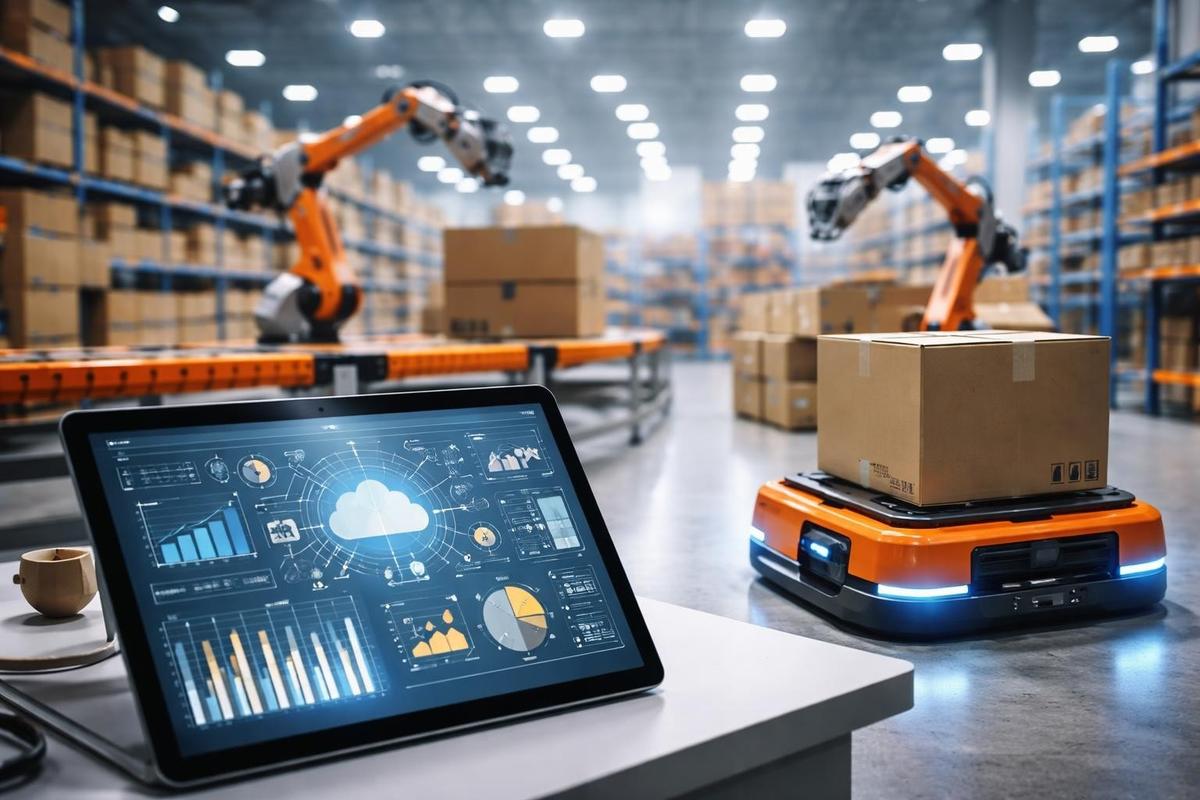
IT Automation Solutions: Driving Warehouse Efficiency
Share on
Modern warehouse operations face mounting pressure to process higher volumes with greater accuracy while controlling costs. IT automation solutions have emerged as the critical enabler for logistics operations seeking to meet these challenges head-on. By integrating intelligent software systems with physical automation technologies, businesses can transform labour-intensive processes into streamlined, data-driven operations that scale efficiently. For logistics providers, third-party logistics firms, and distribution centres across New Zealand and Australia, understanding how to implement and leverage these solutions has become essential for remaining competitive in an increasingly demanding market.
Understanding IT Automation Solutions in Warehouse Environments
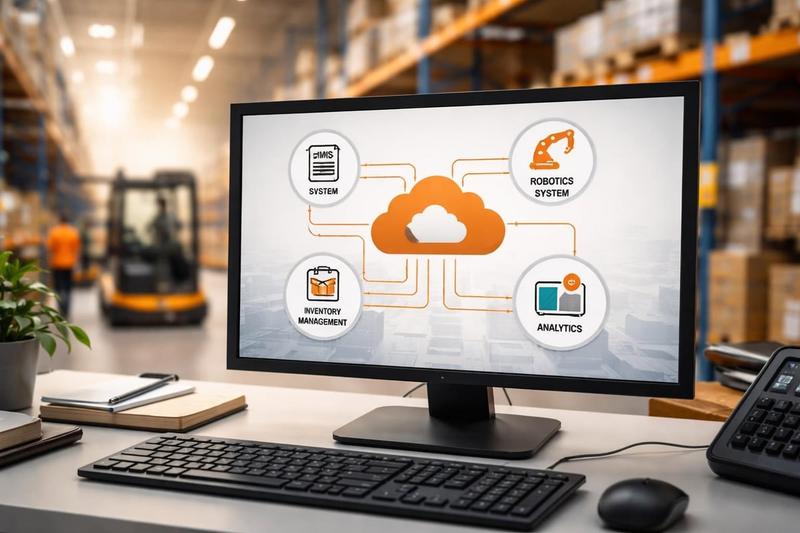
IT automation solutions represent the convergence of software intelligence and operational technology to eliminate manual intervention across warehouse processes. Unlike traditional mechanisation that simply replaces physical labour, modern IT process automation creates interconnected systems where data flows seamlessly between warehouse management systems, robotics controllers, inventory databases, and enterprise resource planning platforms.
Core Components of Warehouse IT Automation
The foundation of effective it automation solutions rests on several integrated technologies working in concert. Warehouse management systems (WMS) serve as the central nervous system, orchestrating inventory movements, order fulfilment workflows, and resource allocation. These platforms connect to execution layer technologies including robotic systems, conveyor networks, and automated storage and retrieval systems.
Key technology layers include:
- Software integration platforms that connect disparate systems and enable data exchange
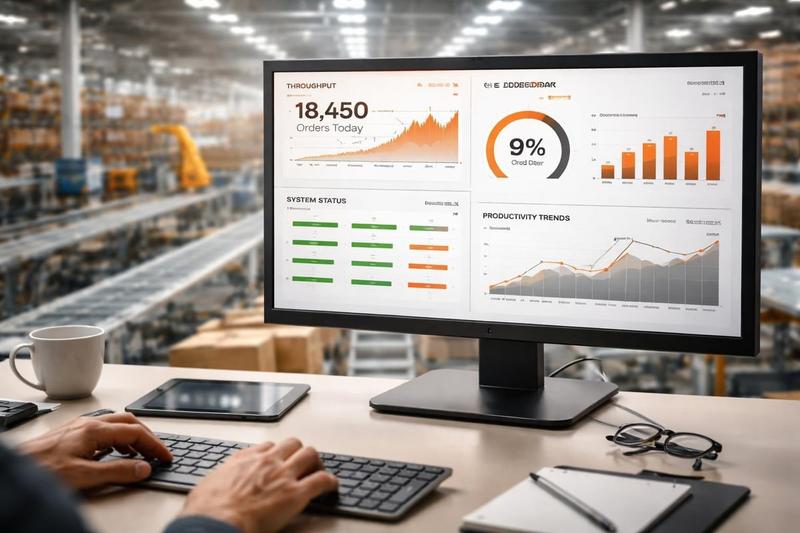
- Real-time monitoring dashboards providing operational visibility
- Automated decision engines that optimize routing, slotting, and resource allocation
- API-based connectivity allowing seamless communication between warehouse systems
Advanced implementations incorporate machine learning algorithms that continuously improve performance by analyzing operational patterns and adjusting workflows accordingly. This intelligence layer distinguishes modern it automation solutions from legacy approaches that followed rigid, pre-programmed sequences.
Strategic Value Beyond Efficiency Gains
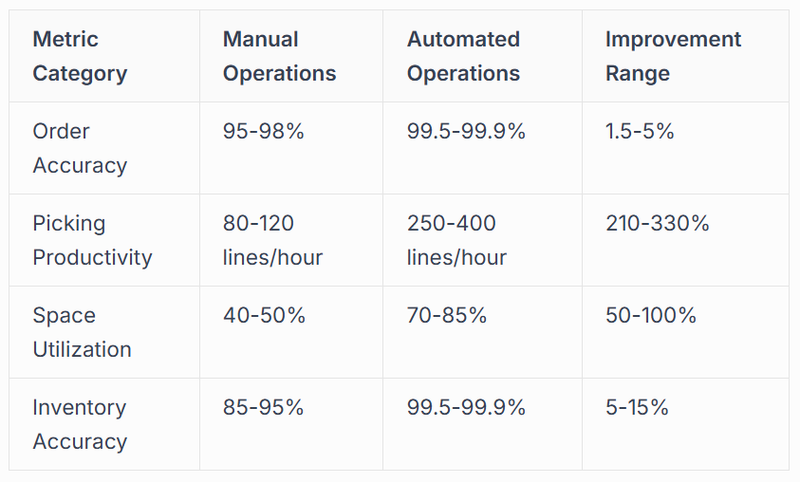
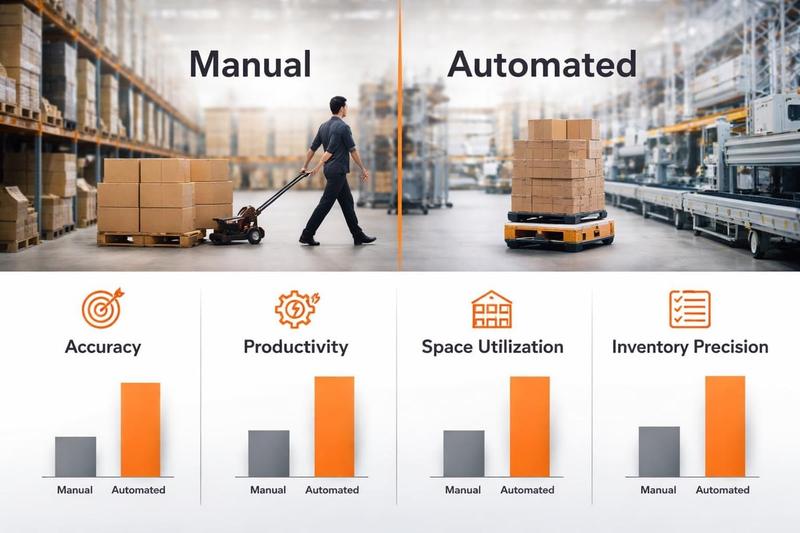
The business case for it automation solutions extends well beyond simple productivity improvements. Data accuracy represents perhaps the most significant advantage, with automated systems achieving inventory accuracy rates exceeding 99.9% compared to 85-95% for manual operations. This precision eliminates costly discrepancies, reduces safety stock requirements, and enables more aggressive service level commitments.
Scalability provides another compelling benefit. Traditional warehouse operations require proportional increases in labour as volumes grow, creating recruitment challenges and training costs. Automated systems handle volume fluctuations with minimal additional resources, allowing businesses to accommodate seasonal peaks or rapid growth without corresponding headcount increases.
Risk mitigation also factors prominently. Automated environments reduce workplace injuries associated with repetitive tasks, heavy lifting, and equipment operation. Compliance documentation becomes more robust as systems automatically capture timestamps, handling records, and quality checkpoints throughout processing workflows.
Implementation Approaches for Different Operational Scales
Deploying it automation solutions requires careful alignment between business requirements, existing infrastructure, and long-term growth trajectories. Organizations often struggle determining the appropriate entry point and expansion pathway that balances immediate returns with strategic flexibility.
Phased Automation Strategies
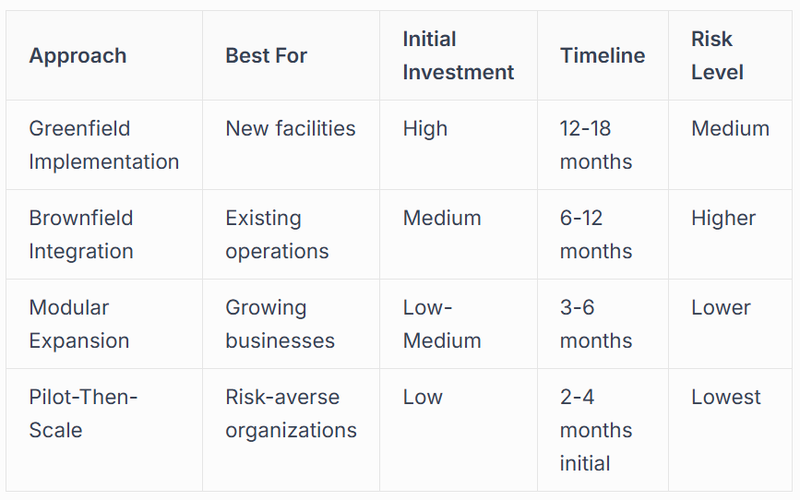
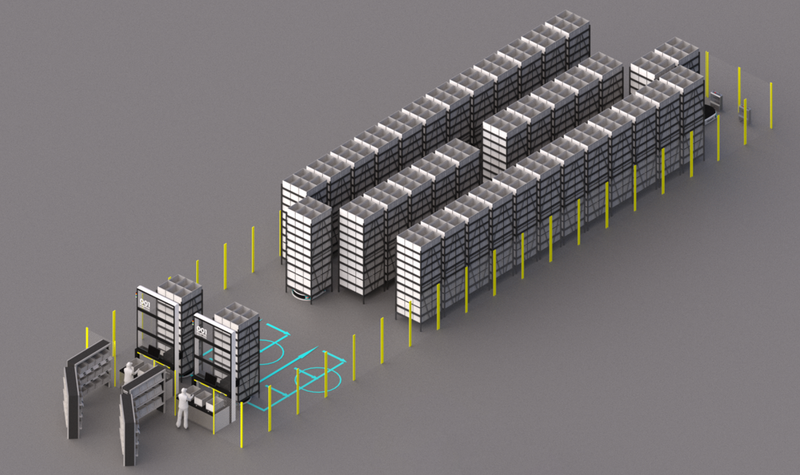
For small to medium enterprises testing automation for the first time, starting with targeted applications delivers valuable learning while minimizing disruption. Goods-to-person picking systems represent an ideal entry point, addressing the most labour-intensive warehouse function while providing measurable productivity gains. These systems bring inventory to stationary operators, dramatically reducing walking time and improving pick accuracy.
Organizations can begin their warehouse automation journey with accessible solutions that prove the technology's value before expanding to more comprehensive implementations. This graduated approach allows teams to develop internal expertise, refine processes, and build confidence in automated systems.
Integration with Existing Infrastructure
Successful it automation solutions must coexist with legacy systems and established workflows during transition periods. The integration of automation and industrial robotics demands careful planning around data interfaces, physical space constraints, and operational handoffs between automated and manual zones.
Critical integration considerations include:
- System compatibility assessment across WMS, ERP, and transportation management platforms
- Network infrastructure upgrades to support real-time data exchange and control systems
- Change management protocols ensuring staff adaptation and skill development
- Contingency planning for system failures or maintenance requirements
- Performance baseline establishment enabling accurate ROI measurement
Physical integration presents equally important challenges. Existing buildings may require structural modifications to accommodate automated systems, including floor reinforcement, power capacity upgrades, or ceiling clearance adjustments. Understanding these requirements early prevents costly surprises during implementation.
Optimizing Operational Processes Through Intelligent Automation
The true power of it automation solutions emerges when technology enablement combines with process redesign. Simply automating existing workflows often yields disappointing results because legacy processes were designed around manual capabilities and limitations. Optimal outcomes require reimagining operations around automation's unique strengths.
Data-Driven Decision Making
Modern warehouse automation generates unprecedented volumes of operational data. Every movement, transaction, and system interaction creates data points that, when properly analyzed, reveal optimization opportunities invisible to traditional observation methods. Warehouse automation technologies now incorporate advanced analytics that transform this raw data into actionable intelligence.
Predictive algorithms anticipate demand patterns, enabling proactive inventory positioning and resource allocation. Computer vision systems monitor equipment health, identifying maintenance needs before failures occur. These capabilities shift operations from reactive problem-solving to predictive management, reducing downtime and improving service consistency.
Workflow Orchestration and Optimization
Beyond individual task automation, sophisticated it automation solutions orchestrate entire operational sequences to maximize throughput and minimize bottlenecks. Understanding how automation in logistics is transforming operations helps organizations identify high-impact optimization opportunities.
Wave planning algorithms group orders by shipping deadlines, carrier requirements, and picking zone density to minimize travel time and consolidate activities. Dynamic slotting continuously repositions inventory based on velocity patterns, placing fast-moving items in optimal locations. Task interleaving assigns warehouse resources to multiple activities simultaneously, eliminating idle time between assignments.
These orchestration capabilities require robust IT infrastructure supporting real-time communication between systems. Network reliability becomes critical, as automation depends on continuous connectivity between control systems, robots, and enterprise software. Organizations must invest in redundant communication paths and failover mechanisms to maintain operations during network disruptions.
Addressing Common Implementation Challenges
Despite proven benefits, deploying it automation solutions presents significant challenges that derail or delay many projects. Understanding these obstacles enables proactive mitigation strategies that improve implementation success rates.
Technical Complexity and Integration Hurdles
The collection of automation guides from CIO Index highlights how technical integration represents one of the most frequently cited implementation barriers. Warehouse environments typically feature a complex technology landscape including legacy WMS platforms, transportation management systems, enterprise resource planning software, and multiple vendor-specific control systems.
Creating seamless data flow across these heterogeneous systems requires sophisticated middleware and API development. Data format standardization, timing synchronization, and error handling protocols demand extensive technical expertise. Organizations lacking internal IT capabilities often underestimate the integration effort required.
Common integration challenges include:
- Legacy system limitations preventing real-time data exchange
- Inconsistent data models across platforms requiring translation layers
- Network latency affecting automation responsiveness
- Security concerns around system interconnectivity
- Vendor cooperation issues when multiple suppliers are involved
Establishing a reliable source of truth into your network automation strategy helps address these challenges by creating a central reference point for configuration data, inventory status, and system state information.
Change Management and Workforce Adaptation
Technology implementation represents only half the automation equation. People and process changes often present greater obstacles than technical challenges. Warehouse staff accustomed to manual operations may resist automation due to job security concerns or discomfort with new technologies.
Effective change management begins with transparent communication about automation objectives, timelines, and workforce implications. Rather than eliminating positions, most successful implementations redeploy staff to higher-value activities requiring human judgment and problem-solving capabilities. Operators transition from physical picking to exception handling, quality oversight, and system monitoring roles.
Training programmes must address both technical competencies and mindset shifts. Employees need hands-on experience with automated systems, troubleshooting protocols, and performance optimization techniques. Building internal automation expertise reduces dependence on external support and accelerates continuous improvement efforts.
Emerging Technologies Shaping Future Automation
The evolution of it automation solutions continues accelerating as artificial intelligence, advanced robotics, and edge computing mature. Understanding these emerging capabilities helps organizations plan investment roadmaps that remain relevant as technology advances.
Artificial Intelligence and Machine Learning Applications
AI-powered systems move beyond rigid rule-based automation toward adaptive intelligence that learns from experience and adjusts to changing conditions. Computer vision enables robots to handle products without predefined dimensions or consistent orientations, expanding automation applicability to variable inventory.
Natural language processing allows voice-directed workflows where operators communicate with warehouse systems using conversational interfaces. This accessibility reduces training requirements and improves operational flexibility. The ITBench framework for evaluating AI agents across diverse IT automation tasks demonstrates the expanding capabilities these technologies bring to warehouse operations.
Demand forecasting algorithms analyze historical patterns, market trends, and external factors to predict inventory requirements with increasing accuracy. These predictions inform automated replenishment decisions, reducing stockouts while minimizing carrying costs. Over time, models improve as they incorporate actual outcomes and refine predictive accuracy.
Autonomous Mobile Robots and Collaborative Systems
AGV warehouse automation continues evolving toward more sophisticated autonomous mobile robots (AMRs) capable of dynamic navigation without fixed infrastructure. Unlike traditional automated guided vehicles following predetermined paths, AMRs adapt routes in real-time based on traffic conditions, priority changes, and obstacle avoidance requirements.
Collaborative robots (cobots) work alongside human operators in shared spaces, combining automation efficiency with human flexibility. These systems handle repetitive, physically demanding tasks while operators manage exceptions and quality verification. Safety sensors prevent collisions and enable productive human-robot collaboration without extensive guarding.
- Vision-guided navigation eliminates expensive floor modifications
- Fleet management software optimizes robot assignments and charging schedules
- Interoperability standards enable mixed robot fleets from multiple vendors
- Payload flexibility accommodates diverse product types and sizes
- Scalable deployment allows incremental capacity additions
The Cybernaut framework addresses reliability challenges in automated systems, improving execution consistency and element recognition accuracy critical for dependable warehouse operations.
Measuring ROI and Performance Optimization
Justifying automation investments requires rigorous financial analysis and ongoing performance tracking. Organizations must establish clear metrics aligned with strategic objectives and implement monitoring systems that provide visibility into automation performance.
Financial Modeling and Payback Calculation
Comprehensive ROI analysis extends beyond simple labour cost comparisons to incorporate space utilization improvements, accuracy gains, throughput increases, and operational flexibility enhancements. Total cost of ownership includes initial capital expenditure, ongoing maintenance, software licensing, training, and periodic technology upgrades.
Labour savings typically drive the primary return, calculated by comparing current staffing costs against reduced requirements post-automation. However, accuracy improvements often deliver comparable value through reduced returns, improved customer satisfaction, and decreased inventory shrinkage. Space optimization enables revenue growth within existing facilities, deferring expensive capacity expansion.
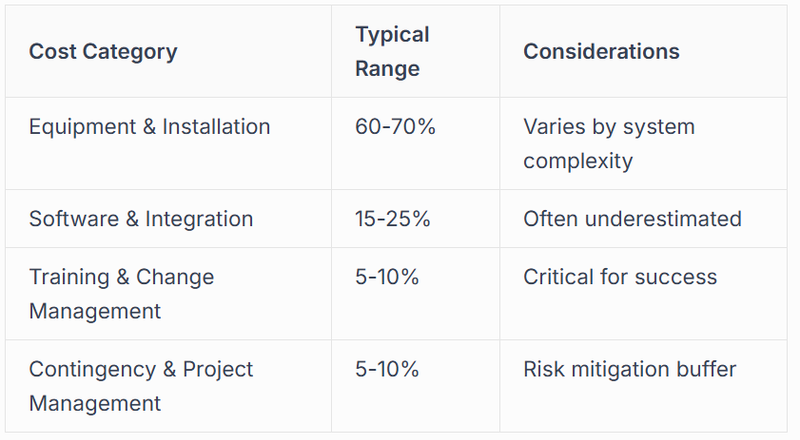
Payback periods range from 18 months to 4 years depending on labour costs, operational volumes, and system sophistication. Operations with high labour costs, significant overtime expenses, or quality issues typically achieve faster returns.
Continuous Improvement and System Optimization
Implementing it automation solutions represents the beginning rather than the conclusion of the improvement journey. Sophisticated systems generate performance data enabling continuous optimization through parameter tuning, workflow refinement, and predictive maintenance.
Regular performance reviews compare actual results against baseline metrics and projected improvements. Analyzing variances identifies optimization opportunities and validates implementation success. Automated warehouse systems benefit from ongoing refinement as operational patterns evolve and volumes fluctuate.
Key performance indicators to monitor include:
- Orders processed per hour by system and shift
- Inventory accuracy by zone and product category
- System uptime and mean time between failures
- Pick accuracy rates and error root cause analysis
- Space utilization and cube efficiency metrics
Advanced analytics identify correlations between operational variables and performance outcomes. These insights drive evidence-based decisions around staffing levels, inventory positioning, and workflow sequencing that compound automation benefits over time.
Security and Reliability Considerations
As warehouse operations become increasingly dependent on it automation solutions, cybersecurity and system reliability demand heightened attention. Automated facilities face unique vulnerabilities where system failures or security breaches directly impact physical operations and customer commitments.
Cybersecurity Frameworks for Industrial Automation
The CISA publication on enabling automation in security operations emphasizes integrating security considerations throughout automation deployment. Industrial control systems require protection against unauthorized access, malware infections, and denial-of-service attacks that could disable warehouse operations.
Network segmentation isolates automation control systems from corporate networks and internet connectivity, limiting attack surfaces. Strong authentication protocols prevent unauthorized system access, while encryption protects data in transit between warehouse systems and enterprise platforms. Regular security assessments identify vulnerabilities before exploitation occurs.
Business Continuity and Redundancy Planning
Warehouse automation creates dependencies where system failures halt operations entirely. Unlike manual processes where staff can adapt and work around equipment issues, automated facilities require robust continuity planning. Redundant power supplies, backup network connections, and failover automation controllers minimize downtime risks.
Maintenance programmes shift from reactive repairs toward predictive approaches using sensor data and machine learning to anticipate failures. Scheduled maintenance windows perform updates and component replacements before breakdowns occur. Spare parts inventories and vendor support agreements ensure rapid restoration when failures happen.
Organizations must balance automation benefits against operational resilience. Partial automation strategies maintain manual backup capabilities for critical processes, providing operational continuity during extended system outages while delivering most automation advantages.
Industry-Specific Automation Applications
Different warehouse operations face unique challenges requiring tailored it automation solutions. Understanding industry-specific requirements ensures automation investments address the most critical operational constraints and deliver maximum value.
Cold Storage and Temperature-Controlled Environments
Frozen and refrigerated warehousing presents extreme operating conditions unsuitable for human workers during extended periods. Automation thrives in these environments, operating continuously at temperatures where labour productivity suffers. Robotic systems eliminate cold exposure for staff while maintaining consistent throughput regardless of temperature.
Specialized considerations for cold storage automation include:
- Equipment rated for sub-zero operation and condensation resistance
- Energy management systems minimizing compressor loads from frequent door openings
- Inventory rotation protocols ensuring FIFO compliance for perishable goods
- Integration with cold chain monitoring and temperature logging systems
The pharmaceutical sector requires similar environmental controls alongside strict regulatory compliance. Automation in pharmaceutical operations must maintain complete traceability, lot tracking, and expiration date management while operating within validated environments meeting Good Distribution Practice requirements.
E-commerce Fulfillment and Omnichannel Operations
E-commerce fulfillment demands rapid order processing across high SKU counts with individual unit picking. Traditional case-picking automation designed for wholesale distribution proves unsuitable for these requirements. Modern goods-to-person automation addresses these challenges by delivering inventory directly to operators, dramatically improving pick rates while maintaining accuracy.
Order profiling algorithms analyze characteristics including line counts, product dimensions, and delivery deadlines to route orders through optimal fulfillment paths. Single-item orders may flow through fully automated systems, while complex multi-line orders route to manual stations where operators benefit from automation assistance.
Returns processing represents another e-commerce challenge where it automation solutions deliver significant value. Automated receiving systems inspect returned products, update inventory, and route items to restocking or disposition based on condition assessments performed through computer vision and weight verification.
IT automation solutions transform warehouse operations by integrating intelligent software with physical automation technologies, delivering unprecedented efficiency, accuracy, and scalability across logistics environments. For organizations seeking to modernize warehouse operations and position themselves for sustained growth, Automate-X combines advanced robotics, warehouse management software, and system integration expertise to deliver tailored automation solutions across distribution, fulfillment, and manufacturing operations throughout New Zealand and Australia. Whether you're exploring automation for the first time or expanding existing capabilities, our team helps design and implement solutions that align with your operational requirements and growth trajectory.