

7 Must-Know Trends in Packaging Line Automation for 2026
Share on
The world of packaging line automation is advancing at an unprecedented pace, reshaping how manufacturers operate and compete. In 2026, packaging line automation will be defined by transformative trends that raise the bar for efficiency, flexibility, and sustainability. This article is designed to give industry leaders, operations managers, and engineers the key insights needed to stay ahead. Discover the seven must-know trends that are set to redefine packaging automation, complete with actionable strategies and real-world examples. Explore how embracing innovation now can secure your competitive edge for the future.
The Evolving Landscape of Packaging Line Automation
Packaging line automation is rapidly reshaping how manufacturers across New Zealand and beyond approach production and packaging. As companies aim to remain competitive in a dynamic market, understanding the evolving technologies and forces behind packaging line automation is vital. This section explores the core drivers, new market demands, and digital transformation shaping the industry in 2026.
Defining Packaging Line Automation and Its Business Value
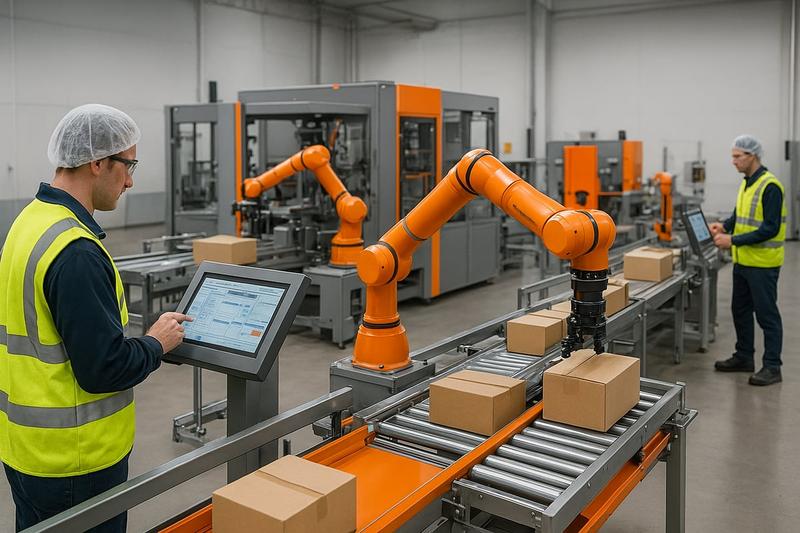
Packaging line automation is the integration of robotics, software, and specialised machinery to streamline the packaging process from start to finish. By automating tasks such as filling, sealing, labelling, and palletising, manufacturers can achieve higher throughput, reduce costs, and maintain consistent product quality.
Key business drivers include:
- Cost reduction through decreased manual labour
- Increased production speed and efficiency
- Enhanced product quality and uniformity
- Improved workplace safety
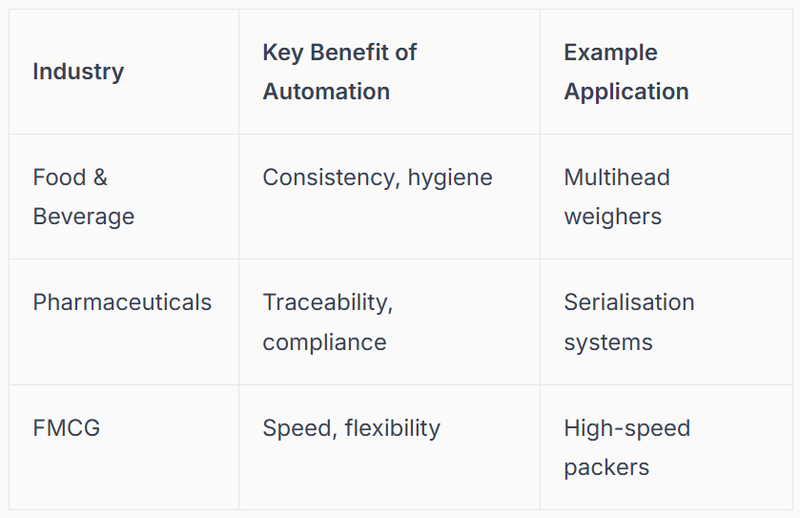
Across sectors like food, beverage, pharmaceuticals, and FMCG, packaging line automation is proving transformative. For example, food manufacturers leverage automated weighers and sealers for precision, while pharmaceutical firms prioritise traceability and compliance with automated serialisation and inspection systems.
Recent data shows automation adoption rates climbing steadily in manufacturing. Companies are turning to packaging line automation not only to address labour shortages but also to scale operations quickly as demand fluctuates.
Market Forces and Customer Expectations in 2026
The packaging landscape in 2026 is shaped by fast-changing consumer preferences, regulatory pressures, and the rise of e-commerce. Customers increasingly demand customised packaging and rapid product changeovers, compelling businesses to adopt flexible solutions.
Sustainability is now front and centre. Both consumers and regulators expect packaging lines to support recyclable materials, minimise waste, and reduce energy consumption. Compliance with global standards is no longer optional, especially in food and pharmaceutical sectors.
Traceability and transparency have become essential, with digital records required for each product. E-commerce and omnichannel fulfilment drive the need for agile packaging line automation that can efficiently handle diverse SKUs and order profiles. This shift calls for systems that can adapt quickly to new product launches and seasonal fluctuations.
Manufacturers must now balance operational efficiency with the agility to meet market expectations, all while maintaining strict compliance and sustainability standards.
Technology Convergence and Digital Transformation
Technology is the backbone of modern packaging line automation, enabling smarter, more connected operations. Industry 4.0 principles, IoT devices, and smart manufacturing platforms are converging to create fully integrated packaging environments.
Cloud computing and advanced data analytics provide real-time visibility into every aspect of the packaging line. Machine learning algorithms can predict maintenance needs, optimise production schedules, and reduce downtime through automated alerts. For instance, real-time monitoring systems flag potential bottlenecks or equipment failures before they halt production.
Digital transformation initiatives give manufacturers a clear competitive advantage. By collecting and analysing production data, companies can continuously improve processes and respond faster to market shifts. According to Advances in Packaging Line Technology, these advancements are set to revolutionise warehouse and packaging operations, driving efficiency and flexibility across the industry.
In summary, embracing packaging line automation positions businesses to overcome labour challenges, meet evolving customer demands, and lead in a digitally driven market.
7 Must-Know Trends in Packaging Line Automation for 2026
The future of packaging line automation is defined by innovation and strategic transformation. As manufacturers face increasing complexity, shifting consumer demands, and sustainability pressures, seven trends are emerging as essential for staying ahead in 2026.
These trends are not just technological advances—they represent a new mindset for operations, efficiency, and business growth. Let’s explore the seven must-know trends shaping packaging line automation, providing actionable insights for industry leaders and engineers.
1. AI-Driven Quality Control and Inspection
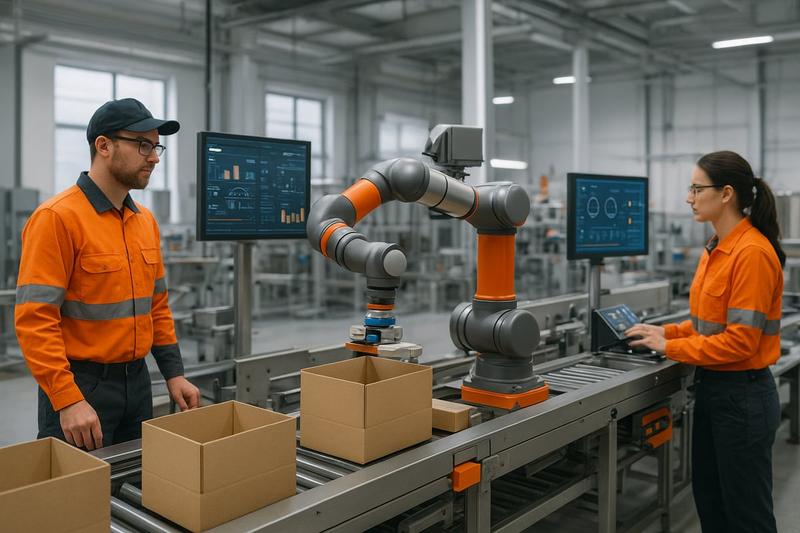
Artificial intelligence is transforming packaging line automation by enabling real-time, highly accurate quality control. Machine vision systems, powered by deep learning, now detect subtle defects in packaging that human inspectors might miss. This technology rapidly sorts products, ensuring only those meeting strict standards move forward.
For example, in food and pharmaceutical lines, AI-driven cameras automatically reject defective items, reducing the risk of contamination or recalls. With AI, packaging line automation achieves not only increased throughput but also improved consistency and compliance. Data from these systems feeds into cloud-based analytics, allowing manufacturers to refine processes and drive continuous improvement.
The impact is measurable: companies report significant reductions in product recalls and material waste. Integrating AI inspection with packaging line automation also enhances audit readiness, as every rejection and acceptance is logged for traceability. The cost savings are substantial, with less manual inspection required and fewer errors.
To learn more about the power of machine vision in quality control, see Machine Vision Solutions.
AI-driven quality control in packaging line automation is not just about speed—it’s about building trust, reducing risks, and future-proofing operations for evolving regulatory demands.
2. Flexible, Modular, and Scalable Automation Systems
Flexibility is becoming a cornerstone of packaging line automation. Modular systems allow manufacturers to reconfigure lines quickly, supporting a diverse range of SKUs, packaging formats, and seasonal product changes. This agility is vital for responding to market shifts and customer preferences.
Quick-changeover machinery means contract packagers and co-manufacturers can switch products within a day, maximising uptime and productivity. Modular packaging line automation scales with business growth, avoiding the need for costly full-line replacements. Investments can be phased, aligning with production needs and budgets.
For example, a beverage producer can add or remove filling stations to accommodate different bottle sizes, or a snack company can swap out sealing modules for new packaging materials. This modularity aligns with agile manufacturing principles, enabling rapid adaptation without sacrificing efficiency.
The business value is clear: reduced capital expenditure, minimal downtime, and the ability to quickly capitalise on new market opportunities. Flexible packaging line automation ensures manufacturers remain competitive and resilient amidst uncertainty.
3. Advanced Robotics and Collaborative Automation (Cobots)
Advanced robotics are revolutionising packaging line automation, with high-speed robots now handling picking, packing, and palletising tasks once reserved for manual labour. Collaborative robots, or cobots, are designed to work safely alongside human operators, blending the strengths of both.
For instance, cobot palletisers in logistics centres reduce manual lifting, improving workplace safety and throughput. In packaging environments with frequent changeovers, robots can be reprogrammed quickly to handle new product lines, supporting small-batch and high-mix production.
The benefits extend to organisations of all sizes. For SMEs, packaging line automation with robotics lowers barriers to entry, as robots can be integrated with existing legacy systems. Data shows that automated lines experience fewer workplace injuries and higher productivity.
Robotics in packaging line automation empower teams to focus on value-added tasks, while machines handle repetitive, strenuous jobs. This synergy supports a safer, more efficient, and adaptable packaging environment.
4. End-to-End Digital Integration and Smart Data Utilisation
Digital transformation is at the heart of packaging line automation in 2026. Seamless integration of machines, sensors, and software enables real-time data collection and analysis across the entire packaging process. This smart data approach optimises overall equipment effectiveness (OEE) and minimises unplanned downtime.
Predictive maintenance, powered by IoT and machine learning, alerts teams to potential issues before they escalate. For example, automated notifications can trigger proactive service, preventing costly line stoppages. Enhanced traceability and digital reporting streamline regulatory compliance and audit preparation.
Data-driven decision-making is a competitive advantage in packaging line automation. Operators can identify bottlenecks, adjust production schedules, and implement continuous improvements based on actionable insights. Security and privacy remain priorities, with robust protocols protecting sensitive production data.
End-to-end digital integration transforms packaging line automation from a collection of machines into a cohesive, intelligent system, driving reliability and growth.
5. Sustainable Packaging Automation Solutions
Sustainability is reshaping packaging line automation as companies respond to environmental regulations and consumer expectations. Automated lines now support eco-friendly packaging materials, from recyclable films to compostable trays. Precise filling and cutting reduce material waste at every stage.
Automated right-sizing systems, especially in e-commerce, ensure each carton fits its contents, minimising excess packaging and shipping costs. Packaging line automation accommodates recyclable, compostable, and reusable formats with modular equipment and flexible programming.
Energy-efficient machinery and optimised line layouts further reduce the environmental footprint. Meeting global sustainability standards is easier with packaging line automation, as processes are monitored and adjusted for resource efficiency.
Consumer demand for green packaging is influencing automation choices. By adopting sustainable packaging line automation, manufacturers not only meet compliance goals but also strengthen brand reputation and customer loyalty.
6. Integration of Inspection, Traceability, and Compliance Systems
Integrated inspection and traceability are critical features of packaging line automation in regulated sectors. Checkweighers, metal detectors, and X-ray systems are now embedded directly into automated lines, providing real-time quality assurance and product safety.
In pharmaceutical packaging, serialisation and tracking systems ensure every product is uniquely identified and traceable throughout the supply chain. Automated data capture supports compliance with regulations such as FSMA and EU MDR, reducing the risk of costly recalls.
Packaging line automation enables real-time rejection and quarantine of non-compliant products, streamlining audit documentation and regulatory reporting. The result is a significant reduction in risk, faster response to quality events, and enhanced brand protection.
This integrated approach to inspection and compliance gives manufacturers peace of mind, knowing their packaging line automation solutions are equipped to meet global standards and evolving requirements.
7. Human-Centric Automation: Training, Safety, and Workforce Transformation
Human-centric design is a defining trend in packaging line automation. As automation advances, the focus shifts to upskilling and reskilling employees for new roles in managing and optimising automated lines. User-friendly interfaces and remote support tools make it easier for operators to monitor and control complex systems.
Targeted training programmes reduce onboarding time for new staff, while collaborative design ensures safety through features like machine guarding and intuitive controls. Packaging line automation enhances safety, reducing exposure to repetitive or hazardous tasks.
Addressing workforce concerns is essential. Open communication about the benefits of packaging line automation—such as improved job satisfaction and retention—helps ease anxieties about job displacement. Data shows that well-implemented automation leads to a more engaged, motivated workforce.
In 2026, humans and automation work together, creating a balanced, future-ready packaging environment where people drive innovation and machines deliver efficiency.
Choosing the Right Automation Partner for Future-Ready Packaging Lines
Selecting the right partner for packaging line automation is crucial to unlocking long-term value and operational excellence. With the rapid pace of technological change, your automation integrator must offer more than just machinery—they should deliver solutions tailored to your strategic goals and evolving requirements.
Criteria for Selecting an Automation Integrator
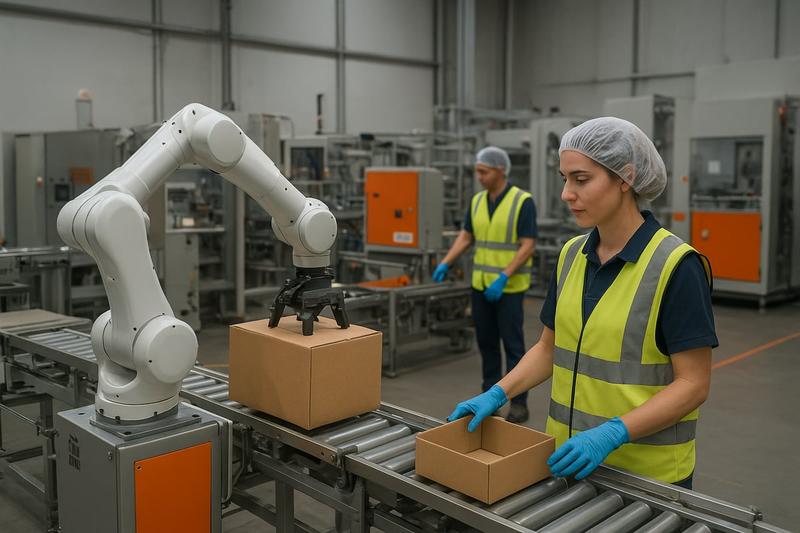
When evaluating partners for packaging line automation, look for integrators who provide holistic solutions. This means considering current operations, future scalability, and support for various packaging formats.
Key criteria include:
- Compatibility with existing equipment and software
- Ability to scale solutions as your business grows
- Comprehensive training and after-sales service
- Strong collaboration between engineering and operations teams
Successful partnerships are built on open communication and a shared vision for growth. Many industry leaders credit their seamless automation rollouts to integrators who guide them through each stage, from concept to commissioning. For guidance on aligning investment with your business goals, see the Optimising Automation Budget resource.
Overcoming Common Barriers to Automation Adoption
Adopting packaging line automation often presents challenges, but a strategic approach helps overcome them. Address investment concerns with phased implementation—start small, demonstrate ROI, then expand.
Manage workforce change through transparent communication and targeted training. Pilot projects build confidence and clarify the value of automation, making it easier to gain buy-in across your organisation.
Clear project ownership and ongoing feedback loops keep everyone aligned. By tackling these barriers proactively, you can accelerate the benefits of packaging line automation and minimise disruption.
Future-Proofing Your Packaging Line Investment
To ensure your packaging line automation remains relevant, focus on flexibility and adaptability. Choose systems that support easy upgrades and can handle new packaging types as market needs evolve.
Stay ahead of regulatory and sustainability requirements by integrating compliance-ready solutions. Continuous improvement, regular technology reviews, and investment in workforce development are essential for long-term success.
By preparing for the next wave of automation trends now, your business will be poised to lead in efficiency, safety, and innovation.
Industry Applications: How Leading Sectors Are Embracing Automation
Packaging line automation is transforming operations across diverse industries, driving productivity, quality, and innovation. From food production to logistics, each sector leverages automation to address unique challenges and meet fast-evolving market demands.
Food & Beverage
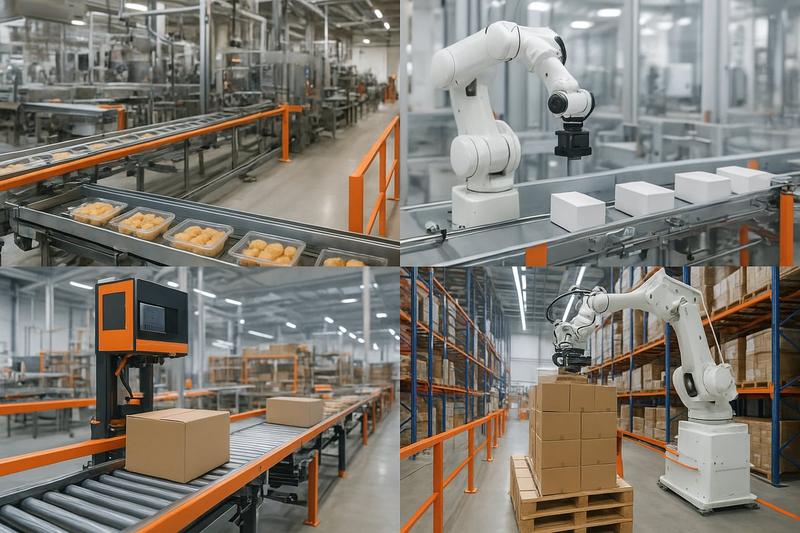
In food and beverage, packaging line automation ensures high throughput and strict hygiene. Automated multihead weighers and pouch machines streamline snack production, delivering consistent weight and sealing quality.
Key benefits include:
- Improved product consistency and shelf life
- Minimised human contact for food safety
- Fast changeovers for different flavours or formats
Producers can respond swiftly to seasonal trends, while maintaining compliance with food safety standards. Consistency and uptime are dramatically improved, allowing brands to stay competitive.
Pharmaceuticals & Health
Pharmaceuticals demand precision, traceability, and compliance. Packaging line automation supports automated serialisation and inspection systems, essential for regulatory adherence.
Benefits include:
- End-to-end data integrity for tracking and recalls
- Reduced risk of contamination
- Automated label verification for error prevention
With automation, pharmaceutical companies enhance product safety and streamline audit processes. This not only protects consumers but also strengthens brand reputation in a highly regulated market.
E-commerce & FMCG
E-commerce and FMCG sectors require rapid fulfilment and flexible SKU handling. Packaging line automation enables right-sizing and automated labelling for online orders, reducing shipping costs and material waste.
Advantages:
- Adaptability to frequent product launches
- Efficient order processing with fewer errors
- Enhanced customer satisfaction through accurate, timely deliveries
By integrating automation, businesses can scale operations to meet surging online demand while supporting sustainable packaging initiatives.
Logistics & Cold Storage
In logistics and cold storage, packaging line automation integrates seamlessly with warehouse systems. Robotic case packing and palletising optimise labour use and maintain cold-chain integrity, even in demanding environments.
Key outcomes:
- Labour savings and improved safety
- Scalable operations for seasonal peaks
- Consistent packaging quality across shipments
For advanced robotics and collaborative automation solutions in logistics, explore Industrial Robotics in Automation. These technologies help future-proof supply chains and ensure products reach customers efficiently and safely.
The Road Ahead: Preparing for Packaging Line Automation in 2026 and Beyond
As the packaging industry races toward 2026, forward-thinking leaders understand that success rests on strategic preparation. Proactive planning ensures packaging line automation investments deliver measurable value, adapt to evolving markets, and support long-term growth. The path ahead demands careful consideration of both technology and people.
Packaging line automation
Strategic Planning for Automation Investments
Every packaging line automation journey must begin with a clear-eyed assessment of current capabilities and future needs. Industry leaders should conduct thorough audits of existing assets, identify process bottlenecks, and evaluate which automation solutions align best with their operational goals.
Setting specific KPIs, such as throughput, downtime reduction, and sustainability targets, is vital. These metrics provide a roadmap for measuring progress and justifying investment. Aligning packaging line automation with broader business growth and environmental objectives ensures that technology upgrades remain relevant as the market evolves.
Strategic planning also involves building flexibility into system design. By doing so, manufacturers can pivot quickly as new opportunities or regulations arise. This approach secures a resilient foundation for the years ahead.
Embracing Continuous Innovation
Staying ahead in packaging line automation requires a commitment to ongoing innovation. Leaders should actively monitor emerging technologies, best practices, and industry benchmarks. Participating in forums, collaborating with technology providers, and investing in pilot projects all help organisations remain agile.
A culture of adaptability is essential. Encouraging teams to experiment, learn, and adopt new tools fosters resilience. For example, embracing advancements such as machine learning can unlock smarter data utilisation and predictive capabilities, as explored in Machine Learning in Manufacturing.
Partnerships with tech suppliers, research institutions, and industry peers further accelerate innovation. By building strong relationships, manufacturers gain early access to transformative solutions and insights.
Action Steps for Industry Leaders
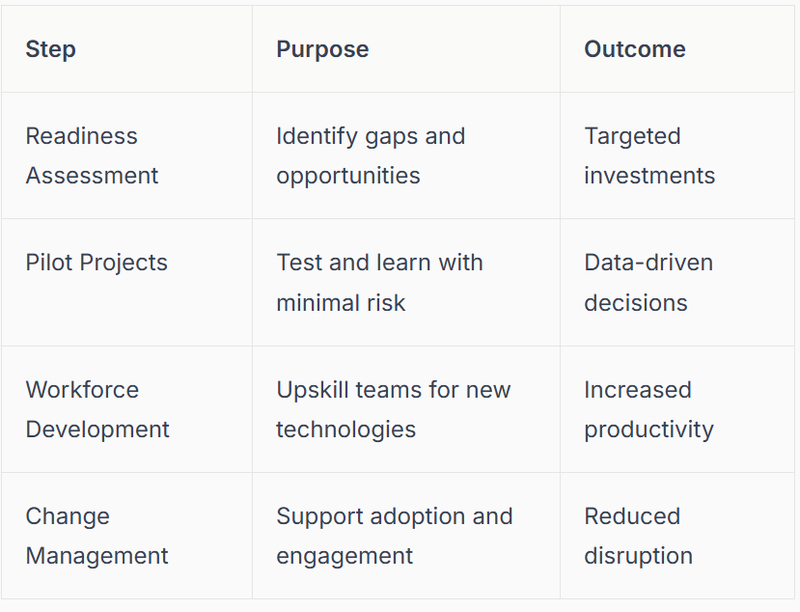
To future-proof packaging line automation, decision-makers should implement a structured approach:
- Conduct readiness assessments across all packaging lines
- Launch pilot programs in targeted areas for rapid learning
- Invest in workforce development and change management strategies
- Foster open communication to overcome resistance and build engagement
These actions create momentum, reduce risk, and position organisations to capitalise on automation’s benefits. A stepwise, transparent process ensures buy-in from all stakeholders, smoothing the path for technology adoption.
Table: Key Action Steps for Future-Ready Packaging Line Automation
Anticipated Challenges and Opportunities
Looking forward, packaging line automation will face both headwinds and exciting prospects. Supply chain volatility, rapid technology evolution, and tightening regulations require organisations to stay nimble. Leaders must anticipate potential obsolescence and plan for upgrades that keep operations competitive.
At the same time, automation opens doors to new markets, improved sustainability, and enhanced customer satisfaction. According to the AI in Packaging Market Forecast, the growing influence of AI will drive innovation and efficiency across the sector.
By embracing a proactive mindset and leveraging the latest advancements, organisations can establish themselves as pioneers in packaging line automation, turning challenges into opportunities for growth and leadership.
As we’ve explored, packaging line automation is rapidly redefining how logistics and supply chain businesses approach efficiency, flexibility, and sustainability. If you’re considering how these seven trends could shape your own operations—whether you’re looking to streamline processes, boost productivity, or scale for future growth—you’re not alone. Embracing intelligent automation is one of the most effective ways to stay competitive as 2026 approaches. Ready to see how robotics, smart software, and tailored system integration can future proof your warehouse? Let’s take the next step together and Explore Automation Solutions tailored to your needs.