

UPS Just Bought 400 Robots: Is the "Worst Job in the Warehouse" Finally Extinct?
Share on
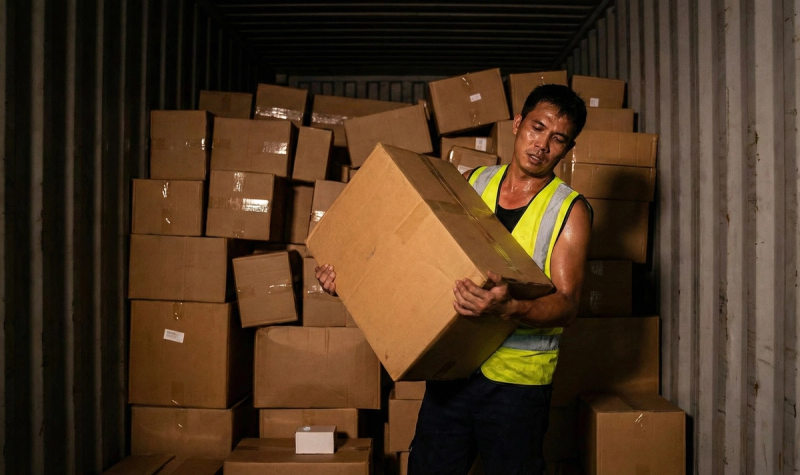
For years, the logistics industry has had an open secret: while the warehouse floor is buzzing with AGVs and automated storage systems, the loading dock remains stuck in the past. It is hot, dark, physically demanding, and almost entirely reliant on back-breaking manual labor.
But a massive signal from one of the world's largest logistics players suggests the tide has finally turned.
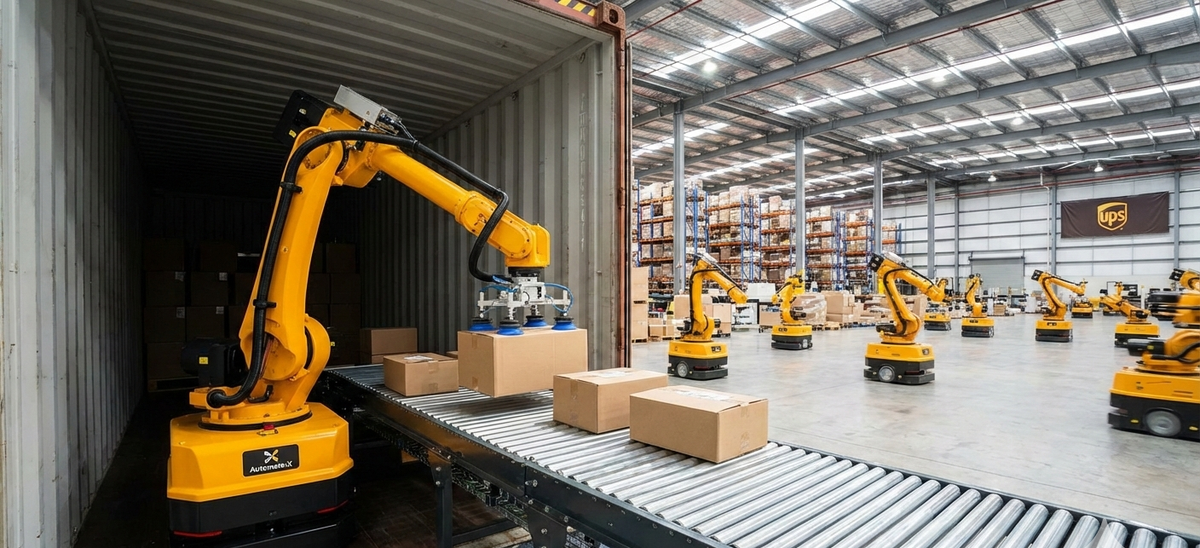
UPS recently confirmed a strategic investment to deploy 400 truck-unloading robots from Pickle Robot Co. across their US network. For businesses in New Zealand and Australia, this is not just a headline from overseas; it is a validation that inbound logistics automation has matured from "experimental" to "essential".
At Automate-X, we have been monitoring this technology closely. When a giant like UPS moves from pilot testing to mass deployment, it signals that the technology is robust enough for the real world. Here is why this shift matters for your distribution centre.
The "Black Hole" of the Dock Door
Unloading loose-loaded containers (floor-loaded stock) is often called the "black hole" of warehouse data. Until a box is manually thrown onto a conveyor, scanned, and inducted, your Warehouse Management System (WMS) essentially doesn't know it has arrived.
This manual gap creates a massive blind spot in inventory visibility and throughput planning.
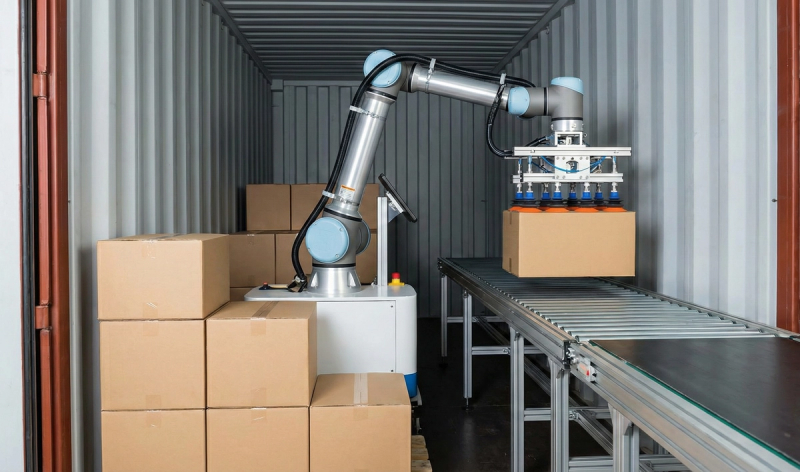
The technology UPS is adopting—mobile robots equipped with industrial suction grippers and advanced AI computer vision—fixes this. These machines drive into the container, identify boxes of varying sizes and weights in real-time, and feed them onto the telescopic conveyor autonomously.
Why This Hits Home for NZ and AU
Our region is unique. We are island nations heavily reliant on imported goods, most of which arrive in 20ft or 40ft shipping containers. To maximize freight value, these containers are almost always loose-loaded (stuffed to the brim without pallets).
For local operators in Auckland, Sydney, or Melbourne, this means hours of manual "de-stuffing." With the cost of industrial labor in Australia and New Zealand rising, and availability shrinking, the ROI for robotic truck unloading is faster than ever. What used to be a five-year payback period is now dropping to 18–24 months for high-volume sites.
Solving the "Tetris" Problem
The brilliance of the new generation of unloading robots lies in their vision systems. Older robots needed structured environments. The new units use Generative AI to look at a chaotic wall of boxes—some crushed, some sideways, some heavy—and make split-second decisions on how to grab them.
This capability is crucial for ANZ importers who often deal with mixed SKUs in a single container.
Safety: The Non-Negotiable Driver
Beyond efficiency, there is a legal and ethical imperative. Unloading containers involves heavy lifting, awkward postures, and heat stress (often inside steel boxes baking in the sun). It is statistically one of the most dangerous jobs in the supply chain.
By automating this task, you directly reduce exposure to acute and chronic musculoskeletal injuries. This proactive approach aligns your operation with strict WorkSafe manual handling guidelines and Safe Work Australia standards, lowering insurance premiums and protecting your workforce from long-term harm.
You Don't Need to Be UPS to Automate
The most exciting part of this news? The technology is modular. You don't need a multi-billion dollar budget or a greenfield site to start.
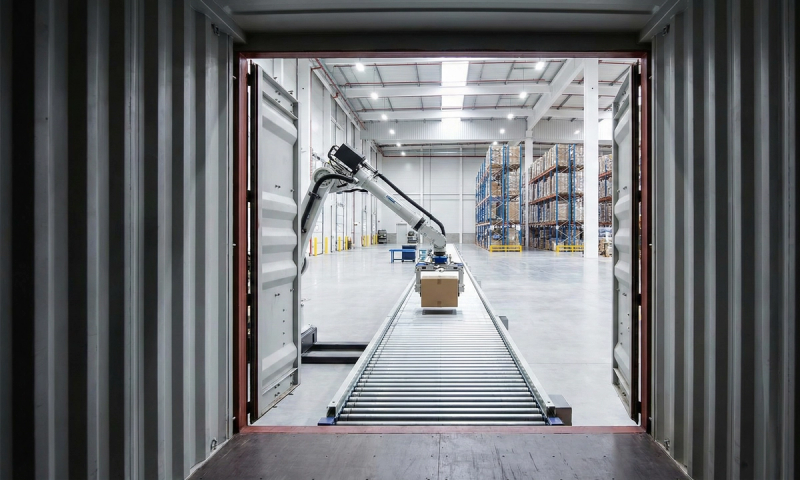
These modern unloading units are mobile. They can be rolled into existing docks and integrated with your current telescopic conveyor systems. They don't require bolting to the floor or massive infrastructure changes.
However, a robot is only as good as the system it feeds. As your local system integration specialists, Automate-X bridges the gap between these new robotic platforms and your existing WMS. We ensure that when the robot places a box on the belt, your scanners, sorters, and palletizers are ready to receive it.
Ready to Close the Gap?
The era of manual container de-stuffing is ending. The technology has been stress-tested by the biggest players in the game, and it is ready for our local market.
If you want to improve safety, stabilize your throughput, and future-proof your inbound docks against labour shortages, the time to act is now.
Contact Automate-X today to discuss how we can bring world-class unloading automation to your facility.