

7 Ways the Automation of Logistics Is Transforming 2026
Share on
Imagine a world where packages travel from factories to your doorstep with barely any human touch. In 2026, this scenario is quickly becoming a reality.
The automation of logistics is fundamentally changing how supply chains operate, driving new levels of efficiency, accuracy, and sustainable business growth across industries.
This article will explore seven game-changing ways automation is transforming logistics, including the rise of AI-powered analytics, autonomous vehicles, and intelligent warehouse systems.
Ready to see how these advances can give your business a competitive edge? Dive in for actionable insights and real-world examples that reveal the future of logistics.
The State of Logistics Automation in 2026
The automation of logistics has rapidly shifted from a futuristic vision to a present-day necessity. By 2026, digital transformation is not just an option but a core strategy for logistics leaders. The journey from manual labour to intelligent automation has set the stage for a new era in supply chain management.
Historical Context and Evolution
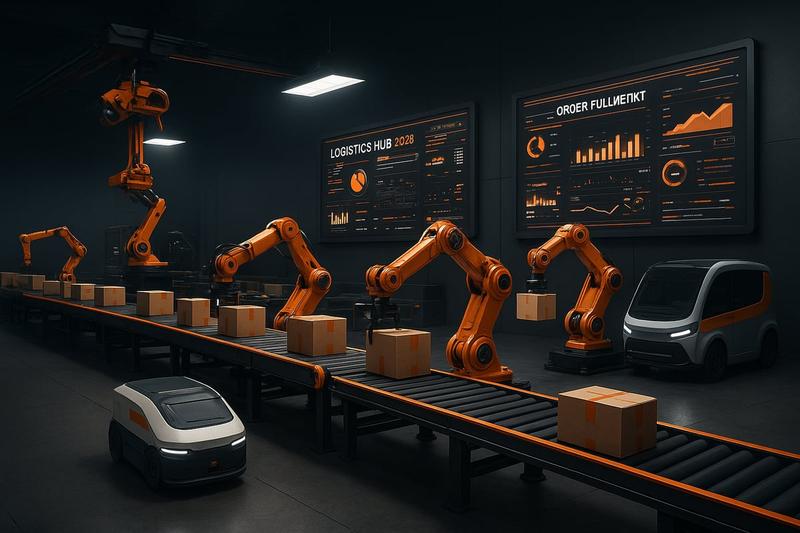
The automation of logistics has evolved through several significant milestones. Decades ago, warehouses depended on manual processes and paper-based tracking. The introduction of warehouse management systems marked the first wave of digitalisation. The explosive growth of e-commerce in the 2010s demanded faster, more accurate fulfilment, prompting widespread adoption of barcode scanning and early robotics.
During the COVID-19 pandemic, the need for contactless operations and resilient supply chains accelerated the adoption of advanced automation. Today, robotics and AI are transforming every link in the logistics chain.
Technology Drivers and Industry Trends
Several technological forces are fueling the automation of logistics. The integration of IoT devices, machine learning, and robotics now enables real-time tracking, predictive analytics, and automated decision-making. Global e-commerce expansion and rising consumer expectations for rapid delivery are pushing companies to invest heavily in automation.
Industry forecasts project investment in logistics automation will exceed $100 billion globally by 2026. For a comprehensive view of these market dynamics, see Logistics Automation Market Growth & Trends. These trends are reshaping how companies approach efficiency and customer service.
Challenges and Considerations
Despite the clear benefits, the automation of logistics brings its own set of challenges. Workforce displacement is a key concern, as automation reduces the need for some manual roles. This shift underscores the importance of reskilling and upskilling employees for new technical positions.
Upfront investment in automation technology can be substantial. Businesses must carefully weigh the expected return on investment. Integrating new systems with existing legacy infrastructure often requires significant planning and resources.
Competitive Advantage and Market Leaders
Early adopters of the automation of logistics are gaining a significant edge. These companies are increasing market share by delivering faster, more accurate, and cost-effective services. Industry leaders leverage robotics for high-speed sorting and AI for precise demand forecasting.
For example, global logistics giants are deploying autonomous vehicles and advanced warehouse automation to reduce errors and improve speed. Their success stories set benchmarks for the rest of the industry, inspiring widespread adoption.
Regulatory and Environmental Impacts
As the automation of logistics expands, regulations are evolving to address new realities. Governments are introducing guidelines for autonomous vehicles and drones, ensuring safety and compliance. Sustainability is also a top priority, with automation helping companies optimise routes, reduce emissions, and achieve ambitious environmental goals.
The focus on regulatory adaptation and green logistics is shaping the next phase of industry growth. Companies embracing these changes are well-positioned to lead in a rapidly transforming market.
7 Ways the Automation of Logistics Is Transforming 2026
The automation of logistics is not just a buzzword in 2026—it is the driving force behind a dramatic transformation in how goods move from origin to destination. Businesses across the globe now leverage advanced technologies to streamline operations, reduce costs, and boost customer satisfaction. Let’s dive into the seven most impactful ways the automation of logistics is shaping the future of the industry.
1. Autonomous Vehicles and Drones Revolutionising Delivery
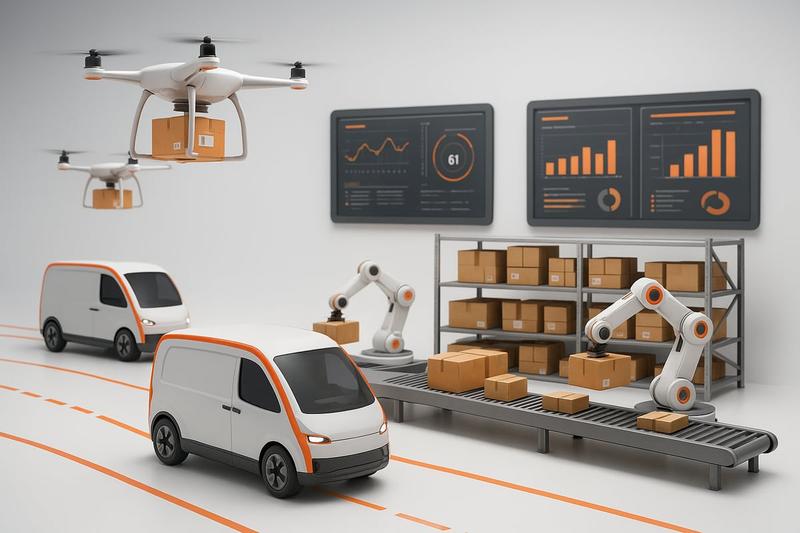
Autonomous vehicles and drones are at the forefront of the automation of logistics in 2026. Self-driving trucks and vans, as well as last-mile drones, now operate around the clock, ensuring that deliveries can occur anytime—day or night. These vehicles significantly reduce human error, which historically accounted for nearly 90% of road accidents. By leveraging sensors, AI, and real-time data, autonomous fleets create safer and more reliable delivery networks.
Take, for example, Aramex’s successful deployment of drones and delivery bots in Dubai, which has set new standards for last-mile efficiency. In London, Wayve’s self-driving vans have been instrumental in reshaping urban logistics. In the United States, the Waymo and DoorDash Partner for Autonomous Deliveries initiative demonstrates the scale and potential of self-driving technology in real-world logistics scenarios.
The automation of logistics through autonomous vehicles not only accelerates delivery speed but also slashes operational costs. These systems optimise routes to reduce fuel consumption, benefiting both the bottom line and the environment. Electric-powered autonomous trucks and drones contribute to lower emissions, supporting sustainability goals. Additionally, automated delivery systems are making it feasible to reach rural and hard-to-access areas, bridging gaps in traditional supply chains.
Despite these advances, regulatory frameworks are still evolving. Cities worldwide are piloting autonomous vehicle projects to establish safety standards and operational guidelines. As these technologies mature, the automation of logistics will further extend its reach, transforming delivery models and enhancing service reliability for businesses and consumers alike.
2. AI-Powered Predictive Analytics for Proactive Decision Making
AI-driven predictive analytics is another critical pillar in the automation of logistics. By using machine learning algorithms, logistics companies can forecast demand with remarkable accuracy, optimise inventory levels, and predict delivery times down to the minute. These advancements mean businesses can move from reactive to proactive logistics planning.
Predictive maintenance is a prime example, where AI monitors vehicle and equipment performance, anticipating breakdowns before they happen. This reduces downtime and keeps the supply chain flowing smoothly. Demand forecasting, powered by the automation of logistics, ensures that inventory is always at optimal levels, minimising stockouts and excess holding costs.
Data integration is also key. AI systems analyse information from weather forecasts, traffic patterns, and market trends, providing logistics managers with actionable insights. This holistic approach allows for smarter decision making and more agile responses to unexpected disruptions.
Customers benefit from the automation of logistics through more accurate estimated times of arrival (ETAs) and proactive issue resolution. Logistics firms using AI have seen a notable reduction in failed deliveries and stockouts. These improvements translate into leaner operations, less waste, and increased customer satisfaction.
Risk management also improves with predictive analytics. Companies can simulate various scenarios, preparing for everything from natural disasters to market fluctuations. As AI continues to evolve, its role in the automation of logistics will only grow, offering even more sophisticated tools for proactive supply chain management.
3. Intelligent Warehouse Automation and Robotics
Warehouse operations have been revolutionised by the automation of logistics, with robotics and intelligent systems taking centre stage. Automated robots now handle picking, packing, sorting, and palletising, increasing throughput and minimising errors. Technologies like Automated Storage and Retrieval Systems (ASRS) and goods-to-person solutions have become standard in modern warehouses.
Real-time inventory tracking is now possible through IoT-enabled sensors, which communicate stock levels instantly to warehouse management systems. This integration is essential for the automation of logistics, ensuring that every item is accounted for and reducing costly mistakes.
Robotic forklift trucks and autonomous mobile robots navigate smart warehouses with precision, handling repetitive tasks that once required significant human labor. The automation of logistics allows companies to scale operations during peak seasons without the need for large temporary workforces.
Labor costs decrease, and workplace safety improves as robots take on physically demanding or hazardous tasks. The seamless integration of robotics with Warehouse Management Systems (WMS) and Enterprise Resource Planning (ERP) platforms enables end-to-end automation of logistics processes.
A real-world example is Shiperoo's RoboShuttle warehouse, where advanced robotics handle high-volume order fulfillment with unmatched speed and accuracy. As more companies adopt these systems, the automation of logistics is setting new benchmarks for efficiency and scalability in warehousing.
4. End-to-End Digital Integration and Visibility
Digital integration is a cornerstone of the automation of logistics, connecting every stakeholder in the supply chain. Unified platforms now link suppliers, warehouses, carriers, and customers, providing real-time visibility and transparency throughout the process. This level of integration reduces manual errors and eliminates the need for paper-based workflows.
Automated data transfers, powered by the automation of logistics, ensure that information flows seamlessly between systems. Transportation Management Systems (TMS) now automate carrier selection, route optimisation, and shipment tracking, removing bottlenecks and increasing operational speed.
Cloud-based logistics platforms enable enhanced collaboration, allowing businesses to share data and insights instantly. Continuous improvement is driven by data-driven analytics, which identify inefficiencies and suggest actionable changes.
For customers, the automation of logistics delivers a superior experience. Self-serve portals, live shipment updates, and proactive notifications keep them informed at every step. This transparency builds trust and loyalty, giving businesses a competitive edge.
The future of supply chain management is rooted in digital integration. By embracing the automation of logistics, companies can respond to market changes faster, adapt to disruptions, and capitalize on new opportunities with confidence.
5. Robotic Process Automation (RPA) Streamlining Administrative Tasks
Administrative efficiency has soared thanks to robotic process automation, a key component of the automation of logistics. Software robots now handle repetitive back-office tasks such as order processing, invoicing, and shipment documentation. This shift dramatically cuts processing times and reduces human error.
The automation of logistics via RPA allows human workers to focus on strategic activities, fostering innovation and value creation. Logistics firms report faster order-to-cash cycles, improved compliance, and robust audit trails thanks to these digital assistants.
Scalability is another major benefit. RPA systems can manage high transaction volumes without the need for additional staff, making them ideal for growing logistics operations. Integration with both legacy and modern systems ensures a smooth transition to automated workflows.
For compliance and regulatory requirements, the automation of logistics through RPA provides detailed records of every transaction, simplifying audits and reporting. As more companies embrace this technology, the administrative backbone of logistics becomes faster, more accurate, and more resilient.
The future is clear: the automation of logistics will continue to eliminate bottlenecks in administrative processes, freeing up resources for higher-value tasks and driving operational excellence.
6. Automated Cold Chain and Specialised Logistics
Specialised logistics sectors, especially those handling perishable goods, have greatly benefited from the automation of logistics. Automated cold chain solutions use IoT sensors to provide precision temperature monitoring and control, ensuring that pharmaceuticals, food, and beverages remain within safe parameters.
The automation of logistics in cold chain management means real-time alerts for temperature excursions, allowing immediate intervention to prevent spoilage. Automated handling systems reduce the risk of human error and maintain strict compliance with regulatory standards.
Facilities like automated cold storage warehouses for vaccine distribution exemplify the advances in this area. Integration with tracking systems delivers full visibility across the entire cold chain, from origin to delivery.
Waste reduction is another significant outcome of the automation of logistics in specialized sectors. By minimising temperature excursions and optimising handling, companies reduce spoilage and associated costs.
Compliance with industry regulations is easier to maintain, thanks to automated record-keeping and monitoring. As the automation of logistics continues to evolve, expect even greater efficiency and reliability for specialised and sensitive shipments.
7. Sustainable and Green Logistics Automation Initiatives
Sustainability is now a central focus in the automation of logistics, with technology driving eco-friendly practices throughout the supply chain. Automated route optimisation reduces fuel consumption and emissions by ensuring vehicles take the most efficient paths.
The adoption of electric and autonomous vehicles, enabled by the automation of logistics, further decreases environmental impact. Automated packaging and material handling systems minimise waste by using resources more efficiently.
Companies are leveraging the automation of logistics to achieve carbon-neutral operations, integrating data-driven sustainability reporting and compliance tracking. Consumer demand for green logistics is rising, making sustainability a vital competitive differentiator.
Circular supply chains, made possible by automated reverse logistics, support recycling and reuse of materials. The automation of logistics enables businesses to close the loop, reducing their environmental footprint and supporting global sustainability goals.
As technology advances, the automation of logistics will continue to unlock new ways to balance operational efficiency with environmental responsibility, setting the standard for green supply chains in 2026.
The Future Outlook: Opportunities and Challenges Ahead
The future of the automation of logistics is being shaped by rapid advances in technology, evolving workforce needs, and new strategic imperatives. As we look toward 2026 and beyond, understanding these trends is vital for businesses aiming to stay ahead.

Emerging Technologies on the Horizon
Breakthroughs in artificial intelligence, robotics, and connectivity are reshaping the automation of logistics. AI-driven systems are enabling autonomous decision-making, while blockchain ensures secure, transparent transactions across complex supply chains. The integration of 5G allows for real-time data exchange between vehicles, warehouses, and control towers, driving unprecedented efficiency. As these technologies mature, they will unlock new levels of optimisation and agility for logistics providers.
Workforce Transformation and Skills Development
The automation of logistics is redefining roles throughout the industry. Routine manual tasks are increasingly handled by robots or software, shifting human focus toward managing and maintaining automated systems. Companies are investing in upskilling and reskilling programs to prepare employees for these emerging roles. To see how businesses are adapting to workforce shifts, read about how automation is transforming logistics amid labour shortages.
Strategic Considerations for Businesses
To harness the benefits of logistics automation, businesses must build flexible, scalable roadmaps. This involves evaluating current operations, identifying high-impact automation opportunities, and partnering with technology providers. Successful companies are integrating automation incrementally, ensuring quick wins while laying the groundwork for long-term transformation. Collaboration with system integrators and investment in employee training are also critical for realising sustainable growth.
Risks, Ethics, and Regulatory Landscape
With the rapid adoption of logistics automation, new risks and ethical concerns are emerging. Data privacy, cybersecurity, and the responsible use of AI are top priorities for industry leaders. Regulatory frameworks are evolving, particularly around autonomous vehicles and drones. For example, California's proposal for autonomous truck testing highlights how governments are adapting laws to keep pace with innovation. Businesses must remain vigilant to ensure compliance and ethical deployment of new technologies.
Long-term Impact on Global Trade and Supply Chains
The acceleration of the automation of logistics is expected to create more resilient, responsive, and sustainable supply chains. Automation can enable reshoring and regionalisation, reducing dependence on distant suppliers. Over time, these advancements will improve reliability, decrease environmental impact, and support new models for global trade. Companies that embrace this evolution will be better positioned to thrive in a dynamic marketplace.
FAQs: Logistics Automation in 2026
Curious about the automation of logistics in 2026? Here are answers to the most pressing questions businesses are asking:
Q: What is driving the rapid adoption of logistics automation in 2026?
A: Growing consumer demand for fast delivery, AI advancements, and lessons from global disruptions have accelerated investment. Industry leaders like DHL are setting new standards with large-scale automated warehouses, as seen in DHL's New Automated Warehouse.
Q: How does automation of logistics impact workforce needs?
A: Automation reduces repetitive tasks, allowing teams to focus on higher-value roles. Companies are investing in upskilling and reskilling to adapt to new technology.
Q: What ROI can businesses expect from logistics automation?
A: Most organisations report faster order processing, lower error rates, and significant cost savings within the first year of implementation.
Q: Is automation of logistics suitable for small and medium enterprises?
A: Yes, scalable solutions and cloud-based platforms make automation accessible for businesses of all sizes.
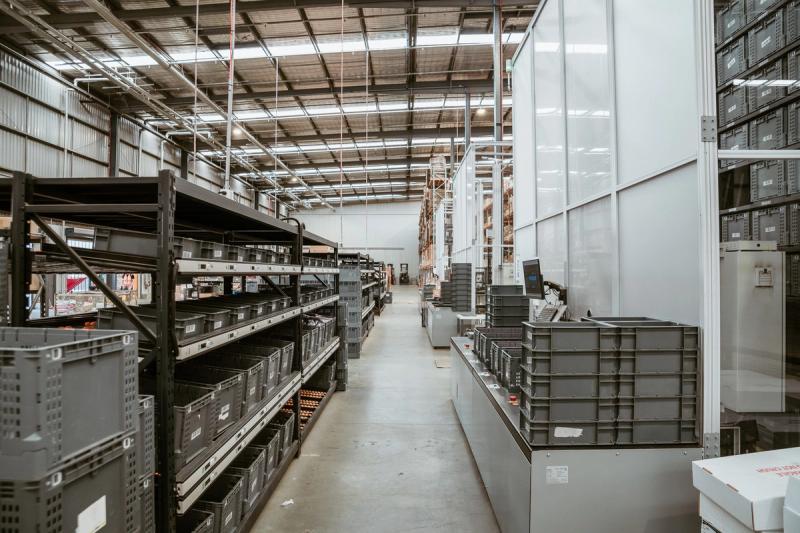
As we’ve explored, automation is rapidly reshaping logistics, making operations faster, smarter, and more adaptable for the challenges of 2026 and beyond. If you’re ready to move beyond manual bottlenecks and unlock the full potential of your warehouse—from robotics and real-time tracking to seamless integration and sustainability—now is the perfect time to take the next step. Modern solutions can help you boost productivity, scale efficiently, and stay ahead of the competition in a transforming industry.
Automate Your Warehouse