


Expert Guide to Automation and Industrial Robotics 2026
Share on
The world of automation and industrial robotics is transforming at an unprecedented pace, redefining how industries operate and compete. By 2026, experts project that millions of robots will be working alongside humans, driving efficiency and innovation across sectors.
This expert guide provides a comprehensive exploration of the latest advancements, applications, and proven strategies in automation and industrial robotics. Our aim is to equip business leaders and professionals with the insights needed to stay ahead in a rapidly changing environment.
Discover clear definitions, breakthrough technology trends, diverse robot types, practical implementation steps, real-world examples, and what the future holds for automation and industrial robotics.
Understanding Automation and Industrial Robotics
The world of automation and industrial robotics is evolving at an unprecedented pace. To navigate this landscape, it is vital to understand exactly what these terms mean, how they differ, and why their integration is revolutionising industries worldwide.
Defining Industrial Automation and Robotics
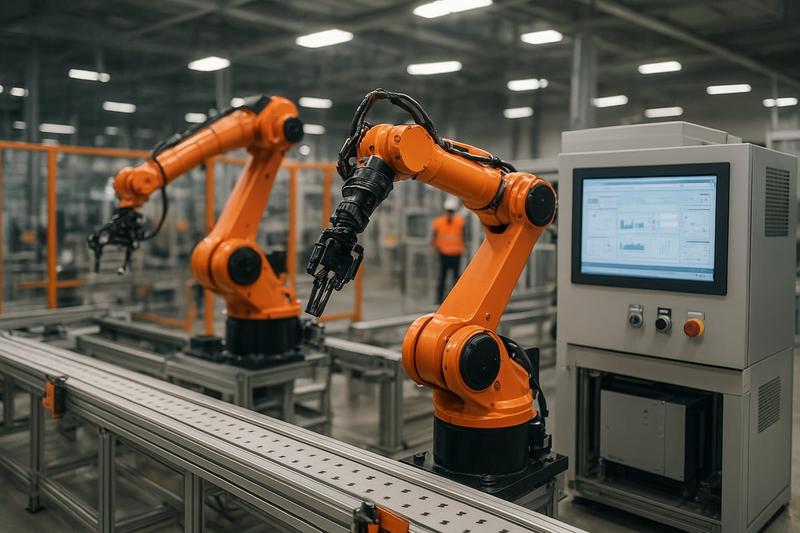
Automation and industrial robotics are closely related, yet distinct, domains within advanced manufacturing. Automation refers to the use of control systems and information technologies to operate equipment with minimal human intervention. Industrial robotics, on the other hand, focuses on programmable machines—robots—capable of performing complex tasks autonomously.
Control systems like PLCs (Programmable Logic Controllers) and SCADA (Supervisory Control and Data Acquisition) underpin automation, while robotic technologies such as robotic arms bring physical dexterity to the process. These elements often work hand in hand; for example, a robotic arm on a production line may be controlled by an automation system. For a detailed look at the main categories and applications, see Types of Industrial Robotics.
The key takeaway is that automation and industrial robotics are complementary, not interchangeable. Each brings unique strengths to modern factories and warehouses.
Historical Evolution and Milestones
The journey of automation and industrial robotics began with early mechanisation during the Industrial Revolution. The introduction of programmable logic controllers in the 1960s marked a turning point, enabling automated control over complex processes.
A major milestone arrived in the 1980s, when the automotive sector adopted the first industrial robots for welding and assembly. The rise of the Internet of Things (IoT) and integration of artificial intelligence in the 2010s further accelerated progress. By 2025, it is expected that over 3.5 million industrial robots will be operating globally.
These advances have created the foundation for the sophisticated automation and industrial robotics solutions we see emerging for 2026 and beyond.
Core Components and Technologies
At the heart of automation and industrial robotics are several essential components:
- Sensors: Gather real-time data from the environment.
- Actuators: Execute movements and actions as directed.
- Controllers: PLCs, industrial computers, and embedded systems process data and manage operations.
- Software: Programming languages, warehouse management systems (WMS), and AI algorithms orchestrate tasks.
Connectivity is another crucial element. The Industrial Internet of Things (IIoT) enables machines to communicate and share data in real time. Edge computing, for instance, allows robots to process information locally, reducing latency for tasks like quality inspection.
These technologies combine to create robust, responsive automation and industrial robotics systems for a variety of industries.
Benefits and Business Drivers
Businesses invest in automation and industrial robotics for clear, measurable reasons. Key benefits include increased productivity, improved accuracy, and enhanced safety for workers. Automation also addresses labour shortages and reduces operational costs.
Flexibility and scalability are major drivers, especially in markets with fluctuating demand. For example, automated warehouses have been shown to increase throughput by more than 30 percent.
These solutions also provide a strategic advantage in navigating global supply chain disruptions, making automation and industrial robotics essential for future-ready operations.
Key Types of Industrial Robots and Automation Systems
Understanding the primary types of industrial robots and automation systems is essential for any business aiming to succeed with automation and industrial robotics. Each system brings unique strengths, applications, and integration requirements, shaping the future of efficient, flexible, and safe operations.
Articulated, SCARA, and Cartesian Robots
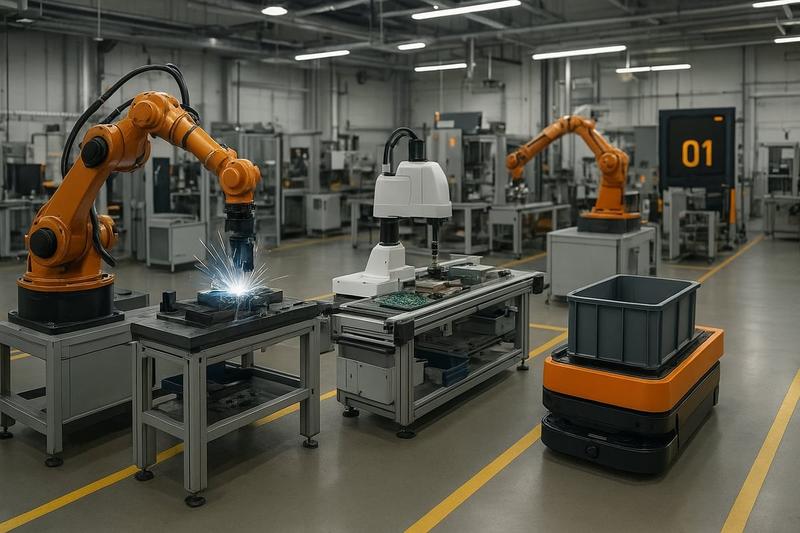
Articulated robots, SCARA robots, and Cartesian robots remain foundational in automation and industrial robotics. Articulated robots, often seen as multi-jointed robotic arms, excel at welding, assembly, and painting. SCARA (Selective Compliance Assembly Robot Arm) robots are ideal for high-speed, precise pick-and-place tasks, especially in electronics and packaging.
Cartesian robots, with their linear movements along X, Y, and Z axes, are favoured for applications like CNC machining and 3D printing. These robots offer varying degrees of flexibility, payload, and reach, making them suitable across different sectors. For instance, articulated arms dominate automotive production lines, delivering both speed and accuracy. Selecting the right robot type is crucial for maximising efficiency in automation and industrial robotics.
Autonomous Mobile Robots (AMRs) and AGVs
Autonomous Mobile Robots (AMRs) and Automated Guided Vehicles (AGVs) are vital for material handling and intralogistics within automation and industrial robotics. AGVs follow fixed paths, often guided by magnetic strips or wires, making them reliable for repetitive transport routes in warehouses. In contrast, AMRs leverage advanced sensors and onboard intelligence to navigate dynamic environments, avoiding obstacles and optimising routes in real time.
AMRs are increasingly popular in e-commerce fulfilment centres, where adaptability and scalability are critical. The AMR market is projected to reach $8.7 billion by 2026, reflecting their growing importance. For a deeper dive into AMRs, see What is an AMR?. Both AGVs and AMRs play a pivotal role in the evolution of automation and industrial robotics, offering cost savings and operational agility.
Collaborative Robots (Cobots)
Collaborative robots, or cobots, are transforming automation and industrial robotics by enabling safe human-robot collaboration. Unlike traditional robots, cobots feature force-limiting sensors and advanced vision systems, allowing them to work side by side with people without extensive safety barriers.
Cobots are ideal for electronics assembly, packaging, and light manufacturing, where flexibility and quick changeovers are required. Their intuitive programming and ease of redeployment make them especially attractive for small and medium enterprises (SMEs). For example, cobots have boosted productivity in SMEs by handling repetitive packaging tasks, freeing staff for higher-value work. Cobots represent a new era of accessible automation and industrial robotics.
Fixed vs. Flexible Automation
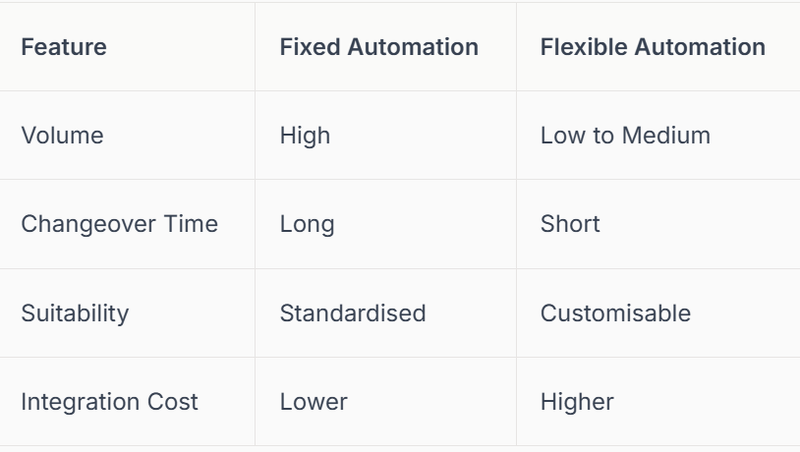
Fixed automation, also called hard automation, is tailored for high-volume production of standardised products. It relies on dedicated equipment, offering speed and consistency but limited adaptability. Flexible automation, in contrast, uses reprogrammable systems and modular hardware to accommodate product variations and rapid changeovers.
Choosing between fixed and flexible automation in automation and industrial robotics depends on production goals. Fixed systems suit automotive or beverage bottling lines, where volumes are high and product changes infrequent. Flexible automation is ideal for custom electronics manufacturing, supporting high-mix, low-volume environments. While flexible systems often involve higher initial investment, they reduce changeover times and support evolving market needs.
Advanced Control and Integration Systems
Central to effective automation and industrial robotics are control and integration systems such as PLCs (Programmable Logic Controllers), SCADA (Supervisory Control and Data Acquisition), and MES (Manufacturing Execution Systems). These platforms orchestrate hardware and software, ensuring seamless operation and real-time monitoring.
Industrial computers act as control hubs, managing data from sensors, actuators, and robots. Trends in edge computing and cloud-based robotics platforms are unlocking new levels of connectivity and scalability. For example, real-time process monitoring enables predictive maintenance, minimising downtime and maximising throughput. Investing in robust control systems is essential for companies seeking to harness the full potential of automation and industrial robotics.
Emerging Trends and Technologies Shaping 2026
The landscape of automation and industrial robotics is rapidly transforming as we approach 2026. Businesses are witnessing a convergence of breakthrough technologies, driving smarter, safer, and more sustainable operations. Let us explore the pivotal trends shaping the future of automation and industrial robotics.
Artificial Intelligence and Machine Learning in Robotics
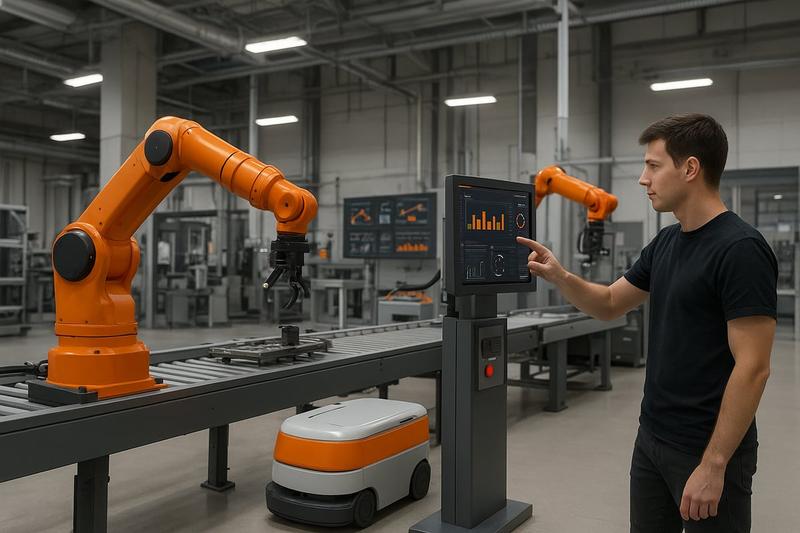
Artificial intelligence and machine learning are revolutionising automation and industrial robotics. AI-driven robots are becoming adaptive, capable of learning from data to optimise processes and predict failures before they occur. Machine learning algorithms are being applied to quality inspection, defect detection, and process optimisation, delivering higher accuracy and productivity.
For example, AI-powered vision systems now identify product defects in real time, minimising waste and ensuring consistent quality. By 2026, it is projected that 70% of new robots will incorporate AI features. To explore how these technologies are shaping manufacturing, see Machine Learning in Manufacturing.
Industrial Internet of Things (IIoT) and Connectivity
The Industrial Internet of Things is a cornerstone of modern automation and industrial robotics. IIoT enables real-time data acquisition, remote monitoring, and seamless communication between machines. Standards like OPC UA and MQTT promote interoperability, allowing diverse robotic systems to work together efficiently.
Connected robots in smart factories can adjust to production changes instantly, supporting flexible and resilient operations. IIoT acts as the backbone for Industry 4.0, enabling predictive maintenance, optimised scheduling, and enhanced transparency across the supply chain.
Human-Robot Collaboration and Safety
Advancements in sensors, vision technology, and safety protocols are making human-robot collaboration safer and more productive. Automation and industrial robotics now feature force-limiting technology and real-time monitoring, allowing robots to work side by side with people.
Compliance with regulatory standards such as ISO 10218 and ISO/TS 15066 is essential for safe implementation. In logistics, cobots are handling repetitive tasks while employees focus on value-added activities. Improved safety reduces barriers to adoption and accelerates the integration of robotics in dynamic workplaces.
Robotics as a Service (RaaS) and Cloud Robotics
Robotics as a Service is changing how companies access automation and industrial robotics. RaaS allows businesses to subscribe to robotics solutions, reducing upfront capital expenditure and enabling rapid scaling. Cloud robotics platforms offer centralised fleet management, analytics, and remote updates.
This model is gaining traction in third-party logistics and healthcare, where flexibility and scalability are crucial. The RaaS market is expected to grow at a compound annual growth rate of 17% through 2026, making advanced robotics more accessible to a wider range of industries.
New Materials, Additive Manufacturing, and Modular Design
Innovations in materials and manufacturing processes are enhancing the performance of automation and industrial robotics. Lighter, stronger materials make robots faster and more energy efficient. Additive manufacturing, such as 3D printing, enables rapid prototyping and cost-effective customisation of robotic components.
Modular robot designs allow for easy reconfiguration, helping businesses respond quickly to changing production needs. For instance, lightweight autonomous robots are now used in cold storage logistics, improving safety and reducing manual handling risks.
Sustainability and Green Automation
Sustainability is a growing driver for investment in automation and industrial robotics. Energy-efficient robotics reduce operational costs and environmental impact. Automation is also helping companies minimise waste, optimise resource use, and improve recycling processes.
In the food and beverage sector, automated systems have cut energy consumption by up to 20%. By prioritising sustainable automation, businesses not only meet regulatory requirements but also enhance their reputation and long-term competitiveness.
Implementing Automation and Robotics: Step-by-Step Guide
Introducing automation and industrial robotics into your business is a journey that requires strategic planning and structured execution. By following a clear, step-by-step approach, organisations can maximise benefits, minimise risks, and ensure sustainable transformation.
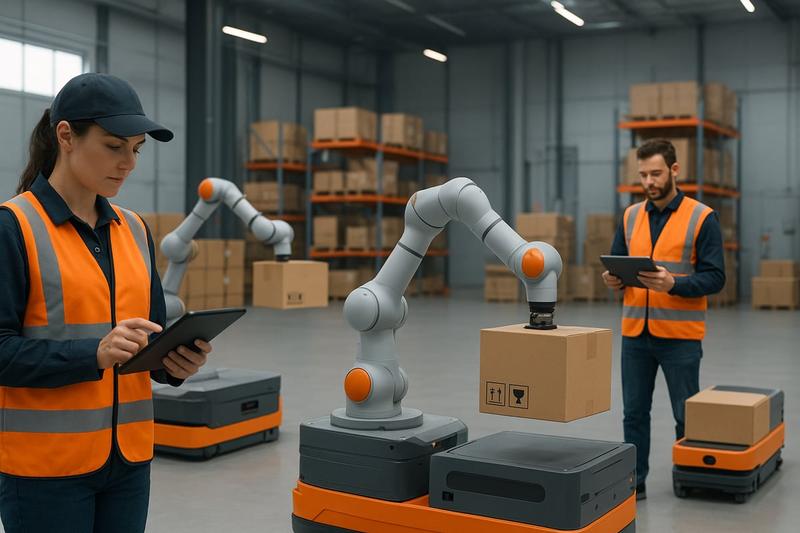
Assessing Business Needs and Readiness
The first step in adopting automation and industrial robotics is a thorough assessment of your existing processes and pain points. Review workflows, identify repetitive or error-prone tasks, and evaluate workforce challenges.
Engage stakeholders across departments to understand operational goals and obstacles. A warehouse audit, for example, might reveal manual picking bottlenecks or safety risks that automation and industrial robotics can address.
- Map current process flows
- Identify high-value automation opportunities
- Align findings with business strategy
A clear understanding of your readiness will set the foundation for a successful transformation with automation and industrial robotics.
Solution Selection and Technology Evaluation
Choosing the right automation and industrial robotics solutions involves careful evaluation of technology and vendor options. Consider the nature of your products, process variability, and future scalability.
Key criteria include:
- Integration with existing systems
- Flexibility for evolving needs
- Return on investment (ROI) projections
- Vendor support and training offerings
For instance, high-mix, low-volume warehouses may benefit from AMRs, while high-throughput operations might require advanced conveyor systems. By matching technology to business needs, automation and industrial robotics can deliver measurable improvements.
System Integration and Change Management
Integrating automation and industrial robotics with your IT infrastructure is critical. This includes connecting robots to warehouse management systems (WMS), enterprise resource planning (ERP), and data analytics platforms.
Plan for seamless data flow and ensure robust cybersecurity measures. Change management is equally important; train staff to work confidently alongside new technologies and foster stakeholder buy-in.
- Develop integration roadmaps
- Prioritise interoperability and security
- Implement comprehensive training programmes
A smooth integration process helps avoid production downtime and maximises the value of automation and industrial robotics.
Deployment, Testing, and Optimisation
Deploying automation and industrial robotics should be phased and data-driven. Start with pilot projects to validate system reliability, safety, and performance.
Iteratively test and tune processes, using real-time data to optimise efficiency. Set clear benchmarks and review outcomes after each deployment stage.
- Pilot in controlled environments
- Monitor for reliability and safety
- Continuously refine algorithms and workflows
Ongoing optimisation ensures long-term success with automation and industrial robotics, adapting to changing operational requirements.
Measuring ROI and Performance Metrics
Quantifying the value of automation and industrial robotics is essential for continuous improvement. Track key performance indicators (KPIs) such as:
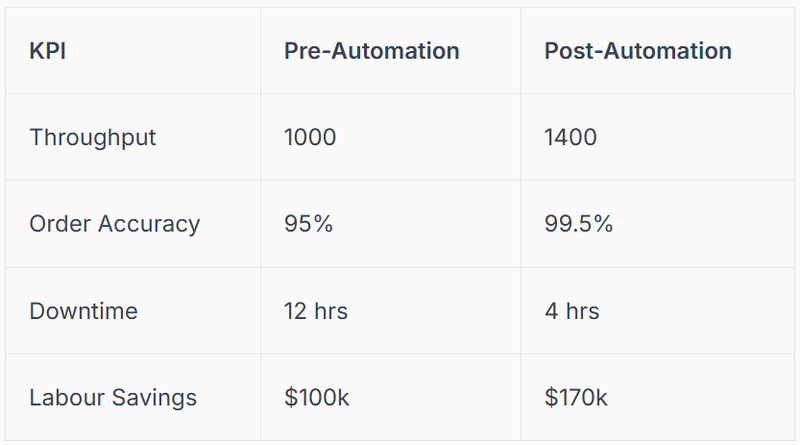
Benchmark results before and after implementation. Many businesses report up to 40% reductions in order cycle time, validating investments in automation and industrial robotics.
Overcoming Common Challenges
Adoption of automation and industrial robotics can face hurdles such as upfront costs, technical complexity, and resistance to change.
Address these challenges by:
- Exploring flexible financing and RaaS models
- Phasing adoption to manage risk
- Implementing robust staff training
Learn from both successful and unsuccessful projects. With a proactive approach, businesses can overcome barriers and fully realise the potential of automation and industrial robotics.
Intelligent Warehouse Automation Solutions for Logistics and Supply Chain
Intelligent automation and industrial robotics are transforming logistics, 3PL, e-commerce, and manufacturing. Solutions like goods-to-person, conveyor, and packaging automation streamline operations, boost productivity, and enhance safety.
Industrial robotics integrated with WMS and WCS software enables real-time data analysis and process optimisation. Automated storage and retrieval systems (ASRS) are central to scalable, flexible growth, especially during seasonal peaks. For more on this technology, see Automated Storage and Retrieval Systems.
A well-implemented solution can reduce manual handling, minimise errors, and future-proof supply chain operations with automation and industrial robotics.
Applications and Sector-Specific Use Cases
Across industries, automation and industrial robotics are transforming operations, productivity, and safety. From manufacturing to healthcare, businesses are leveraging these technologies to gain a competitive edge, enhance quality, and address workforce challenges.
Robotics & Automation Explained: How Machines Are Shaping the Future!
Manufacturing: Automotive, Electronics, and FMCG
Manufacturing remains at the forefront of automation and industrial robotics adoption. Automotive plants use robots for welding, assembly, painting, and inspection, achieving high precision and consistency. Electronics manufacturers rely on flexible automation for high-mix, low-volume production, allowing rapid changeovers. Fast-moving consumer goods (FMCG) companies automate packaging and palletising to keep up with demand. For example, over 80% of automotive plants utilise robotics for key processes, boosting output and reducing defects. According to the Top 5 Global Robotics Trends 2026, rapid advances in robotics are reshaping how manufacturers approach quality and efficiency.
Warehousing, Logistics, and Distribution
In warehousing and logistics, automation and industrial robotics are revolutionising picking, sorting, and packing. Autonomous mobile robots (AMRs), automated storage and retrieval systems (ASRS), and conveyor solutions enable faster order fulfilment. E-commerce distribution centres have doubled throughput by deploying robotics, meeting growing consumer expectations. Automated cold storage and pharmaceutical logistics ensure product safety and compliance. Businesses facing labour shortages turn to robotics for reliability and scalability. These systems provide real-time data, streamline workflows, and support flexible operations during seasonal peaks.
Food & Beverage and Pharmaceuticals
The food and beverage sector benefits from automation and industrial robotics in sorting, packaging, and quality control. Robotics ensure hygienic handling and compliance with stringent food safety standards. Automated lines in dairy processing, for example, minimise human contact and reduce contamination risk. Pharmaceutical companies automate packaging, labelling, and inspection for consistency and traceability. Recent data shows robotics adoption in food and beverage has increased by 12% year-over-year, reflecting growing demand for safe, efficient, and scalable solutions in these highly regulated industries.
Healthcare and Medical Robotics
Healthcare is experiencing transformative impacts from automation and industrial robotics. Robots assist in surgery, rehabilitation, and laboratory automation, improving precision and reducing errors. Autonomous mobile robots handle hospital logistics, transporting samples, medications, and supplies safely. For instance, hospitals deploy mobile robots for internal deliveries, freeing up staff for patient care. Robotics enhance healthcare efficiency, support infection control, and enable round-the-clock operations. This sector’s adoption of robotics addresses both workforce shortages and the need for stringent compliance with health and safety protocols.
Electronics and High-Tech Industries
Electronics and high-tech sectors demand high-precision automation and industrial robotics for assembly, testing, and micro-manufacturing. Cleanroom robots manage semiconductor production, maintaining contamination-free environments. Collaborative robots assemble circuit boards, increasing throughput and reducing manual errors. According to recent market analysis, 60% of electronics manufacturers are deploying robotics to meet quality and volume requirements. These technologies support rapid innovation, respond to shorter product life cycles, and help companies stay competitive in a fast-evolving global market, as highlighted in the Industrial Robotics Market Forecast 2025–2030.
Small and Medium Enterprises (SMEs)
Small and medium enterprises are increasingly adopting automation and industrial robotics due to affordable, scalable solutions. Cobots and modular systems allow SMEs to automate packaging, assembly, and inspection processes without extensive reconfiguration. Financing and Robotics as a Service (RaaS) models lower entry barriers, enabling businesses to access advanced technology with minimal upfront investment. For example, SMEs are deploying cobots for packaging and assembly, resulting in higher productivity and improved product quality. This trend empowers smaller companies to compete with larger players and adapt quickly to market changes.
Future Outlook: Industrial Automation and Robotics Beyond 2026
The pace of innovation in automation and industrial robotics shows no sign of slowing as we move beyond 2026. Businesses will need to adapt to a landscape shaped by smarter, more capable robots, evolving workforce roles, and a surge in data-driven decision-making.
Next-Generation Robotics: Autonomy, Dexterity, and Intelligence
The next era of automation and industrial robotics will be defined by unprecedented autonomy and dexterity. Robots will increasingly self-optimise, adapting to new tasks with minimal human intervention. AI-powered machines will handle intricate assembly and complex logistics, learning from their environments in real time. For instance, robotic systems will adjust their grip or path based on the materials they encounter, mirroring human-like adaptability. With intelligence benchmarks projected to rise by 10% annually, expect smarter robots that can understand context, collaborate seamlessly with humans, and drive productivity to new heights.
Human Workforce Transformation and Skills
As automation and industrial robotics become more widespread, workforce roles will continue to evolve. Manual tasks will give way to positions focused on supervising, programming, and maintaining advanced robotic systems. The demand for upskilling and digital literacy will surge, with businesses investing in training for robot technicians, operators, and data analysts. Rather than replacing jobs, automation and industrial robotics will act as a catalyst for job transformation, empowering workers to focus on higher-value activities. Comprehensive training programmes will ensure staff can leverage new technologies, fostering a collaborative human-robot environment.
Smart Manufacturing and Industry 5.0
Industry 5.0 signals a shift toward more human-centric, sustainable manufacturing, blending the precision of automation and industrial robotics with human creativity. Manufacturers will deploy collaborative systems that enable mass customisation and rapid response to market shifts. Flexible automation will play a critical role, allowing factories to switch between product lines without costly retooling. This evolution supports both efficiency and personalisation, with smart manufacturing initiatives expected to grow by 25% each year. The result is a resilient, agile production environment where technology and people work in harmony.
Data-Driven Operations and Predictive Analytics
The future of automation and industrial robotics will be inseparable from data. Advanced analytics and big data will allow businesses to optimise every aspect of their operations, from inventory management to predictive maintenance. By leveraging real-time data from connected machines, companies can anticipate equipment failures, reduce downtime, and cut costs. For example, analytics-driven scheduling will enable smart factories to allocate resources dynamically, ensuring peak efficiency. Data will become a strategic asset, guiding decision-making and unlocking new opportunities for growth.
Regulatory, Ethical, and Cybersecurity Considerations
With greater connectivity in automation and industrial robotics, regulatory compliance and cybersecurity will be more important than ever. Adhering to evolving safety and privacy standards such as ISO and IEC guidelines will be critical. Organisations must also address ethical concerns, ensuring that automation and industrial robotics are deployed responsibly and transparently. Proactive risk management, including robust cybersecurity protocols, will provide a competitive advantage. Businesses that prioritise compliance and ethical practices will build trust and resilience in an increasingly automated world.
Global Market Trends and Regional Perspectives
The global market for automation and industrial robotics is set to exceed $70 billion by 2026, with strong growth in Asia-Pacific, Europe, and North America. New Zealand and Australia are ramping up investments in warehouse and logistics automation, capitalising on regional opportunities. Notably, China is leading the charge with rapid advancements and significant investments, influencing global dynamics. For a deeper dive into forecasts and trends, see the Industrial Robotics Market Analysis 2025–2035, which provides comprehensive insights into future market directions. These trends underscore the need for businesses to stay informed and agile as the industry continues to expand.
As we’ve seen throughout this guide, automation and industrial robotics are rapidly reshaping the future of warehousing, logistics, and supply chain operations. If you’re looking to boost productivity, streamline processes, or unlock new growth opportunities, now is the perfect time to take a closer look at how intelligent automation can work for your business. Whether you’re in logistics, e commerce, FMCG, or cold storage, the right solutions can help you adapt and thrive in a competitive landscape. Ready to take the next step? Start Your Automation Journey and discover what’s possible for your operations.