


Automation Company: Choosing the Right Partner in 2026
Share on
Selecting the right automation company has become a critical business decision as warehouses and distribution centres face mounting pressure to improve efficiency, reduce costs, and scale operations. An automation company no longer simply provides equipment; they serve as strategic partners who architect end-to-end solutions that transform how goods move through supply chains. With the industrial automation market experiencing strong growth driven by advanced technologies, understanding what differentiates exceptional providers from mediocre ones has never been more important.
Core Capabilities That Define Modern Automation Companies
A professional automation company brings together multiple competencies under one roof. They combine engineering expertise, software development, project management, and ongoing support into a cohesive service offering.
Integration Architecture and System Design
The most valuable capability an automation company offers is system integration expertise. Modern warehouses don't run on isolated technologies; they require orchestrated ecosystems where robotics, warehouse management systems, conveyor networks, and data platforms communicate seamlessly. An experienced provider understands how to design conveyor solutions that integrate with picking systems, sortation equipment, and inventory management tools without creating bottlenecks or compatibility issues.
Key integration capabilities include:
- API development and middleware configuration
- Real-time data synchronisation across platforms
- Legacy system modernisation and connectivity
- Scalable architecture that accommodates future expansion
- Hardware-agnostic software layers
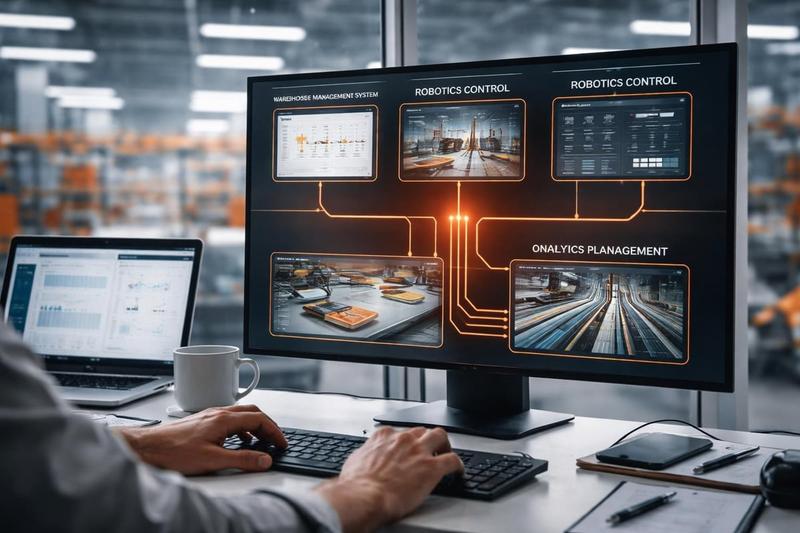
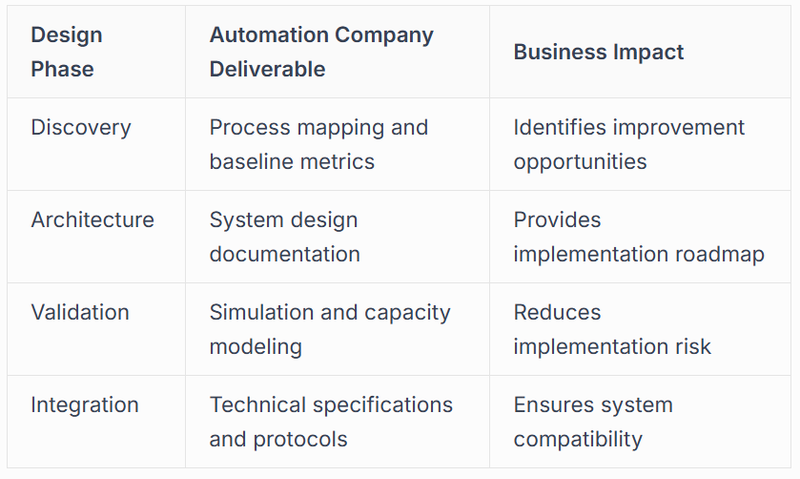
System design extends beyond technical specifications. A competent automation company evaluates your operational workflows, peak volume patterns, SKU velocity distributions, and growth projections before recommending solutions. They map current-state processes, identify inefficiencies, and design future-state workflows that eliminate waste while maintaining operational resilience.
Technology Selection and Vendor Partnerships
An automation company's technology partnerships reveal their strategic positioning and long-term viability. Leading providers maintain relationships with multiple equipment manufacturers rather than limiting clients to single-vendor ecosystems. This vendor-agnostic approach allows them to recommend genuinely optimal solutions rather than those that maximise their margins.
The technology landscape continues evolving rapidly. Industrial automation trends at the end of 2025 demonstrated significant shifts toward software-defined automation and increased integration of artificial intelligence into operational systems. An automation company that stays current with these developments can guide clients through technology transitions without disrupting operations.
Robotics and Material Handling Equipment
Material handling robotics represent the most visible component of warehouse automation. Autonomous mobile robots, robotic arms, automated storage and retrieval systems, and goods-to-person solutions each serve specific operational requirements.
A knowledgeable automation company matches robotics technology to your specific use case rather than promoting a one-size-fits-all approach. They consider factors like:
- Throughput requirements and order profiles
- Facility layout constraints and ceiling heights
- Temperature and environmental conditions
- Integration complexity with existing infrastructure
- Total cost of ownership including maintenance
For smaller operations or businesses beginning their automation journey, scalable entry points matter significantly. The Automate-X GTP Starter Grid demonstrates how an automation company can provide accessible goods-to-person technology that grows with your business without requiring massive upfront capital expenditure.
Software Platforms and Intelligence Layers
Software capabilities distinguish exceptional automation companies from equipment installers. The intelligence layer that orchestrates physical automation determines how effectively your system adapts to changing conditions, optimises resource allocation, and provides actionable insights.
Critical software components include:
- Warehouse execution systems that coordinate task allocation
- Predictive analytics for maintenance and performance optimization
- Real-time visibility dashboards for operational monitoring
- Machine learning algorithms that improve efficiency over time
- Integration middleware that connects disparate systems
Agentic AI systems are transforming enterprise operations by enabling context-aware, proactive decision-making. An automation company incorporating these capabilities into their solutions provides clients with systems that continuously learn and adapt rather than requiring constant manual intervention.
Implementation Methodology and Project Management
Technology selection represents only one dimension of success. Implementation execution determines whether automation delivers promised returns or becomes an expensive operational disruption. A professional automation company employs structured methodologies that minimise risk while ensuring on-time, on-budget delivery.
Phased Deployment Strategies
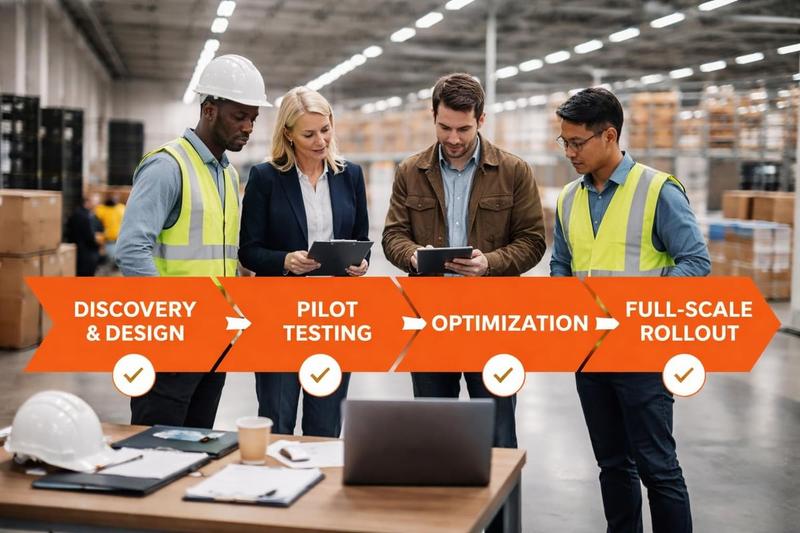
Experienced providers rarely recommend big-bang implementations. Instead, they design phased approaches that deliver value incrementally while allowing operations to continue during deployment. This methodology reduces business risk and enables teams to develop competency with new systems before full-scale rollout.
A typical phased deployment includes:
- Pilot implementation in defined warehouse zone
- Validation period with measured performance metrics
- Iterative optimization based on operational feedback
- Gradual expansion to additional areas or processes
- Final integration and legacy system decommissioning
This approach allows an automation company to demonstrate value early while maintaining flexibility to adjust based on real-world performance. It also builds internal stakeholder confidence as teams see tangible results before committing to broader transformation.
Change Management and Training
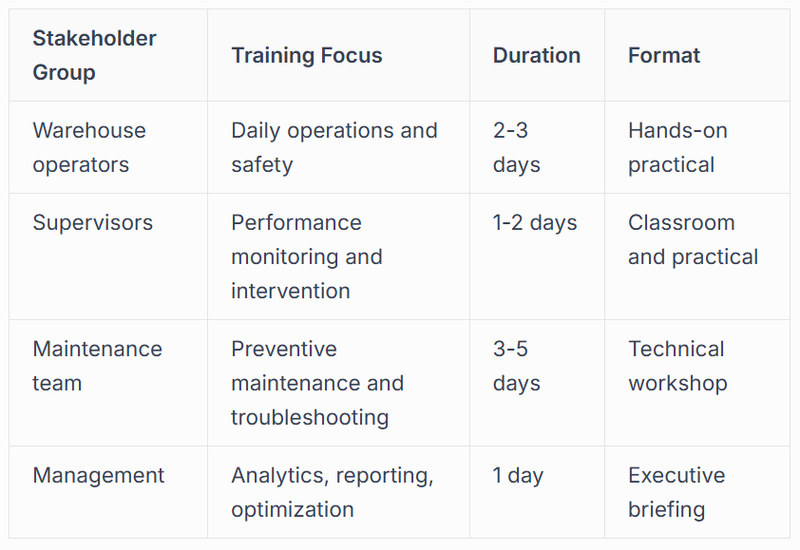
Technical implementation represents only half the challenge. People and processes must evolve alongside technology. An automation company that neglects change management leaves clients with sophisticated equipment that underperforms due to inadequate user adoption or process misalignment.
Comprehensive training programmes should cover:
- System operation for frontline warehouse staff
- Troubleshooting and basic maintenance procedures
- Performance monitoring and reporting for supervisors
- Strategic optimization for management teams
- Emergency protocols and failover procedures
Support Models and Long-Term Partnership
An automation company's value extends far beyond installation. The support structure they provide determines system longevity, performance consistency, and return on investment over the equipment's operational life.
Maintenance Programmes and Service Level Agreements
Automated systems require ongoing maintenance to sustain performance levels. Leading automation companies offer tiered support programmes that align with client requirements and risk tolerance. These typically include preventive maintenance schedules, predictive monitoring, spare parts management, and rapid response protocols for critical failures.
Service level agreements should specify:
- Response time commitments for different severity levels
- Preventive maintenance frequency and scope
- Parts availability guarantees
- Performance guarantees and uptime targets
- Escalation procedures and technical support access
For e-commerce fulfillment operations where peak seasons drive annual revenue, guaranteed response times during critical periods become non-negotiable requirements. An automation company that understands seasonal dynamics and staffs accordingly delivers substantially more value than one providing generic support.
Continuous Improvement and System Evolution
The best automation companies view implementations as starting points rather than finished products. They establish continuous improvement frameworks that regularly evaluate system performance, identify optimization opportunities, and implement enhancements that increase efficiency over time.
Best practices for automation programs emphasise the importance of ongoing process improvement and strategic approaches that deliver long-term value. An automation company incorporating these principles helps clients extract maximum value from their automation investments.
Regular optimization activities include:
- Quarterly performance reviews against baseline metrics
- Algorithm tuning based on operational patterns
- Process refinement to eliminate newly identified inefficiencies
- Capacity planning and scalability assessments
- Technology refresh planning as equipment reaches end-of-life
Industry Specialisation and Domain Expertise
Generic automation knowledge proves insufficient for complex operational environments. An automation company with deep expertise in your specific industry brings contextual understanding that accelerates implementation and improves outcomes.
Sector-Specific Considerations
Different industries present unique automation challenges. Pharmaceutical warehouses require validated systems with comprehensive audit trails and environmental controls. Food and beverage operations need equipment rated for washdown environments with strict hygiene protocols. Cold-storage facilities demand systems that function reliably in sub-zero temperatures.
Industry-specific expertise matters for:
- Regulatory compliance and documentation requirements
- Environmental condition adaptations
- Process-specific automation approaches
- Industry benchmark understanding
- Vendor relationships in specialised equipment categories
E-commerce fulfillment operations face distinct challenges compared to manufacturing distribution or third-party logistics providers. Peak season volume swings, high SKU variability, and rapid delivery expectations require automation approaches optimised for flexibility rather than pure throughput. For businesses operating Shopify stores or other e-commerce platforms, connecting with specialised communities like Talk Shop can provide additional insights into fulfillment automation strategies that complement warehouse technology investments.
Reference Implementations and Case Studies
An automation company's track record provides the most reliable indicator of future performance. Detailed case studies demonstrating successful implementations in similar environments, handling comparable product profiles, and achieving measurable results offer valuable validation.
When evaluating references, examine:
- Operational scale and complexity relative to your requirements
- Specific challenges addressed and solutions implemented
- Quantified performance improvements and ROI metrics
- Implementation timeline and budget adherence
- Post-implementation support quality and responsiveness
Financial Models and Investment Structures
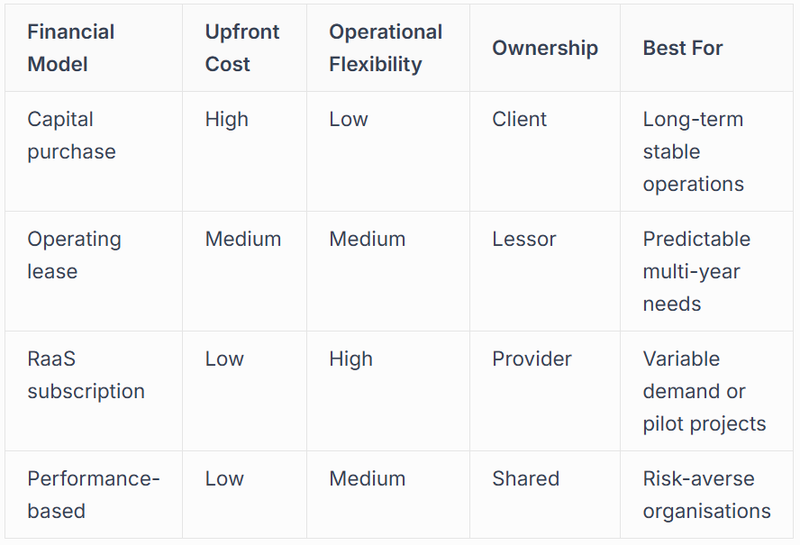
Automation represents significant capital investment. An automation company offering flexible financial structures can make advanced technology accessible to organisations that lack available capital or prefer to preserve cash for other strategic initiatives.
Capital Expenditure vs. Operating Expense Models
Traditional automation acquisitions follow capital expenditure models where clients purchase equipment outright. While this approach provides long-term ownership benefits, it requires substantial upfront investment and places equipment obsolescence risk on the client.
Alternative models include:
- Robotics-as-a-Service with monthly subscription pricing
- Equipment leasing arrangements with purchase options
- Performance-based contracts with shared savings structures
- Managed service models where automation company retains ownership
Each structure presents different risk profiles, accounting implications, and total cost considerations. A sophisticated automation company presents multiple options and helps clients evaluate which best aligns with their financial strategy and operational requirements.
Evaluation Criteria and Selection Process
Choosing an automation company requires systematic evaluation across multiple dimensions. Understanding automation businesses and their varying capabilities helps structure effective selection processes.
Technical Competency Assessment
Technical evaluation should examine both breadth and depth of capabilities. An automation company with diverse technology partnerships provides more options but may lack deep expertise in specific solutions. Conversely, specialists in particular technologies offer profound knowledge within narrower scopes.
Assessment areas include:
- Engineering team qualifications and certifications
- Software development capabilities and methodologies
- System integration experience and reference architectures
- Technology partnerships and vendor relationships
- Innovation track record and R&D investments
Request detailed technical proposals that demonstrate understanding of your specific requirements rather than generic solutions. The quality of questions an automation company asks during discovery reveals their analytical depth and commitment to tailored solutions.
Cultural Fit and Communication
Technical competency alone proves insufficient. The working relationship between your team and the automation company significantly impacts project success. Cultural alignment, communication styles, and collaborative approaches matter substantially during complex, multi-month implementations.
Evaluate partnership compatibility through:
- Responsiveness and communication clarity during sales process
- Willingness to invest time understanding your business
- Transparency about limitations and potential challenges
- Problem-solving approach when issues arise
- Team accessibility and escalation processes
An automation company that prioritises long-term relationships over transactional sales typically invests more effort in ensuring client success. This manifests in more thorough discovery processes, honest capability assessments, and collaborative problem-solving approaches.
Technology Trends Shaping Automation Company Offerings
The automation landscape continues evolving rapidly. Industrial automation trends for 2025 highlight the growing role of artificial intelligence and machine learning in enhancing efficiency and reducing downtime. An automation company investing in emerging capabilities positions clients for sustained competitive advantage.
Artificial Intelligence and Predictive Analytics
AI integration moves automation beyond predetermined routines toward adaptive, intelligent systems. Machine learning algorithms optimise picking routes in real-time, predict equipment failures before they occur, and automatically adjust operational parameters based on changing conditions.
Forward-thinking automation companies incorporate:
- Computer vision for quality control and inventory verification
- Predictive maintenance algorithms that minimise unplanned downtime
- Dynamic task allocation optimising labour and equipment utilisation
- Demand forecasting integration for proactive capacity management
- Natural language interfaces simplifying system interaction
Edge Computing and Distributed Intelligence
Rather than routing all processing through centralised servers, modern architectures push intelligence to the edge. This distributed approach reduces latency, maintains functionality during network disruptions, and enables real-time decision-making at the equipment level.
An automation company implementing edge architectures delivers systems with improved responsiveness and resilience. When network connectivity fails, edge-enabled equipment continues operating using local intelligence rather than grinding to a halt.
Selecting an automation company represents one of the most consequential decisions warehouse and logistics operations make. The right partner brings technical expertise, implementation experience, industry knowledge, and long-term support that transforms operational performance and enables scalable growth. At Automate-X, we combine modern robotics, intelligent software platforms, and comprehensive system integration to deliver warehouse automation solutions tailored to logistics, 3PL, e-commerce, manufacturing, and cold-storage operations. Whether you're beginning your automation journey or expanding existing capabilities, our team provides the expertise and technology to streamline operations and drive measurable results.