

Next Solution in Warehouse Automation for 2026
Share on
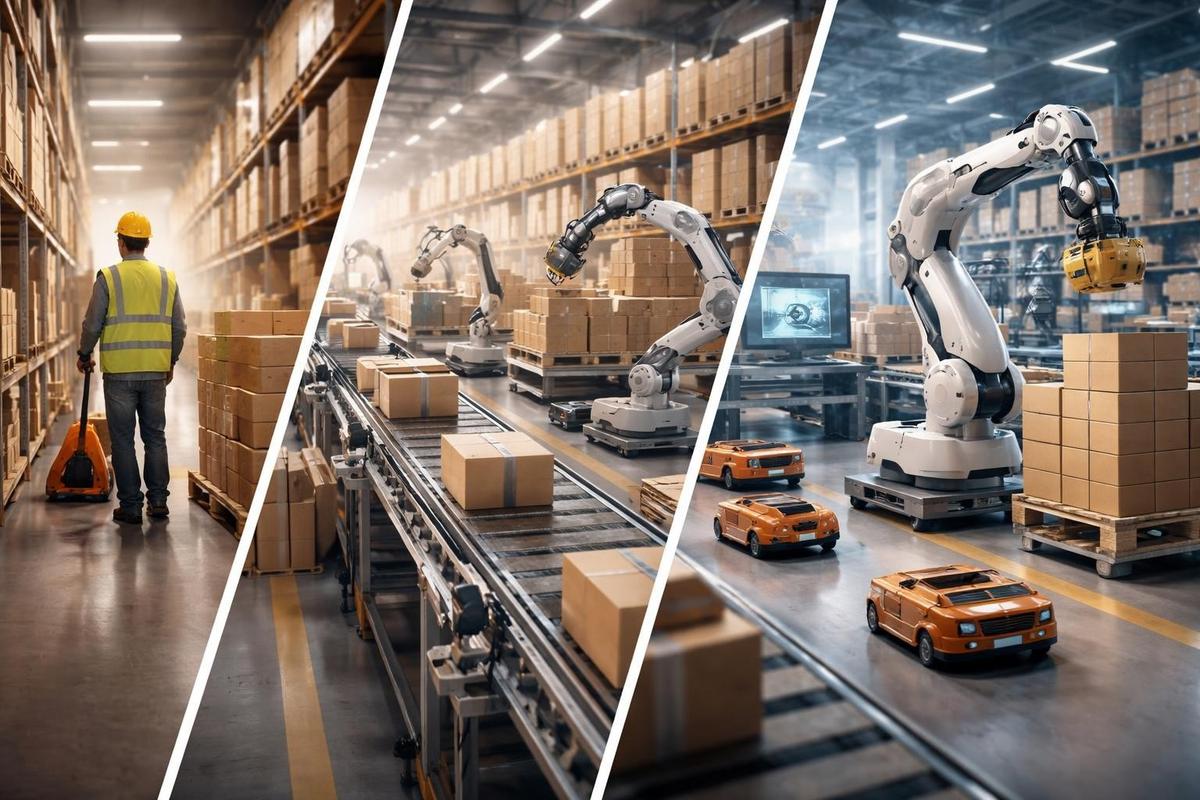
The logistics and supply chain landscape is experiencing unprecedented transformation as businesses search for the next solution to overcome operational challenges. Rising labour costs, increased customer expectations for faster delivery, and the complexity of managing diverse SKUs across multiple channels have pushed traditional warehousing methods to their limits. Forward-thinking organisations across Australia and New Zealand are now embracing integrated automation technologies that combine robotics, intelligent software, and seamless system integration to create competitive advantages that extend far beyond simple efficiency gains.
Understanding the Next Solution Framework
The concept of the next solution in warehouse automation extends beyond singular technology deployments. It represents a holistic approach that integrates multiple systems to create an intelligent, adaptive operational environment. This framework acknowledges that modern warehouses require more than isolated improvements-they need cohesive strategies that address picking, packing, storage, and fulfilment simultaneously.
Key components of this integrated approach include:
- Advanced warehouse management systems with real-time inventory visibility
- Robotic process automation for repetitive material handling tasks
- Machine learning algorithms that optimise storage locations and picking routes
- Seamless integration with existing ERP and order management platforms
- Scalable infrastructure that grows with business demands
When organisations evaluate what constitutes their next solution, they must consider both immediate operational pain points and long-term strategic goals. The most successful implementations recognise that technology serves business objectives rather than existing as an end in itself.
The Evolution of Automation Technologies
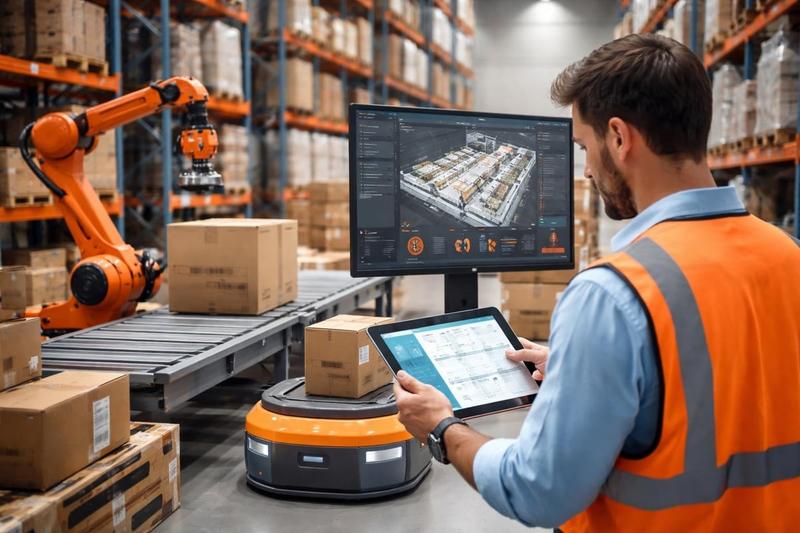
Warehouse automation has progressed through distinct generations, each building upon previous capabilities. First-generation systems focused on mechanising individual tasks such as conveyor-based sortation or basic pick-to-light operations. Second-generation solutions introduced warehouse management software that provided visibility and control across multiple processes.
Today's next solution represents third-generation thinking-intelligent, interconnected systems that learn from operational data and continuously improve performance. These platforms leverage artificial intelligence to predict demand patterns, optimise labour allocation, and adjust workflows in real-time based on changing conditions.
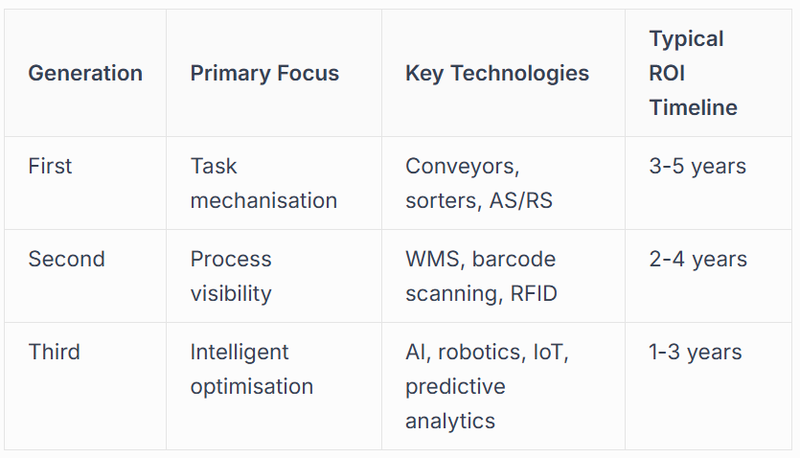
The acceleration in ROI timelines reflects both decreasing technology costs and increasing operational pressures that make automation investments more compelling than ever before.
Identifying Your Next Solution Priorities
Not every warehouse requires the same automation approach. A third-party logistics provider managing hundreds of clients with varying SKU profiles faces different challenges than a pharmaceutical distributor maintaining strict cold-chain compliance. The next solution for your operation depends on accurate assessment of current bottlenecks and future growth trajectories.
Operational Assessment Framework
Begin by mapping your current warehouse processes from goods receipt through final dispatch. Identify where manual interventions create delays, where error rates exceed acceptable thresholds, and where labour availability constraints limit throughput. This diagnostic phase reveals which processes offer the greatest improvement potential.
Critical areas to evaluate include:
- Order profile analysis: Understand your mix of single-line versus multi-line orders, peak versus average volumes, and SKU velocity distribution
- Space utilisation metrics: Calculate storage density, identify underutilised vertical space, and assess aisle efficiency
- Labour productivity patterns: Track pick rates, travel time percentages, and seasonal staffing challenges
- Accuracy and quality metrics: Measure pick accuracy, damage rates, and returns due to fulfilment errors
- Scalability constraints: Determine what prevents you from handling volume spikes or adding new product lines
Companies implementing warehouse automation technologies often discover that their perceived primary challenge differs from the actual operational bottleneck revealed through data analysis.
Technology Selection Criteria
Once you've identified priority improvement areas, match them to appropriate automation technologies. The next solution might involve goods-to-person robotics for high-volume e-commerce operations, or it could centre on intelligent slotting software for distributors managing thousands of slow-moving SKUs.
Consider these technology categories and their ideal applications:
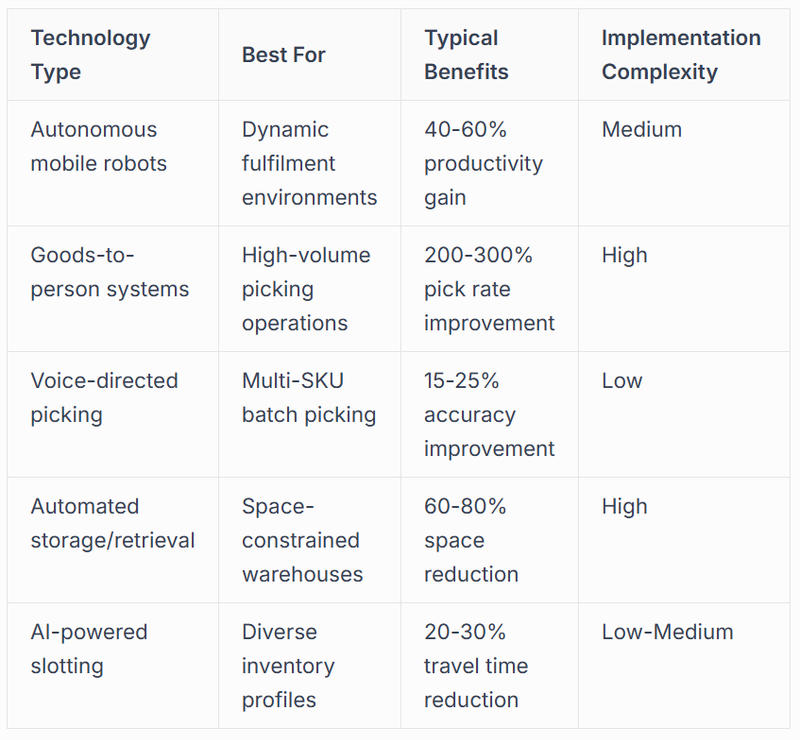
The NextWMS solutions demonstrate how warehouse management platforms serve as the foundation for coordinating various automation technologies into cohesive operational workflows.
Implementing Intelligent Picking Systems
Picking operations typically consume 50-60% of warehouse labour hours, making them the logical focus for many organisations seeking their next solution. Modern automated picking systems range from relatively simple voice-directed workflows to sophisticated robotic cells that handle complete order assembly with minimal human intervention.
Goods-to-Person Revolution
Goods-to-person (GTP) automation represents one of the most transformative approaches available today. Rather than having workers travel throughout the warehouse to retrieve items, GTP systems bring products directly to ergonomic picking stations where operators fulfil orders efficiently.
For small and medium-sized businesses previously deterred by high automation entry costs, solutions like the Automate-X GTP Starter Grid offer accessible entry points into warehouse automation. This scalable approach allows operations to begin automating picking processes without the substantial capital investment traditionally associated with comprehensive warehouse automation projects.
GTP implementations deliver measurable advantages:
- Pick rates increase from 60-80 lines per hour to 200-400+ lines per hour
- Walking time reduces to near zero, minimising operator fatigue
- Accuracy improves through guided picking interfaces and verification scanning
- Training time decreases as new operators master simplified workflows quickly
- Scalability enables incremental capacity additions matching business growth
The AI-enabled warehouse platforms now entering the market take goods-to-person concepts further by predicting which inventory should be positioned closest to packing stations based on order patterns and demand forecasting.
Zone and Batch Optimisation
Even without major capital investment in robotics, intelligent software can transform picking efficiency. Zone-based picking divides warehouses into dedicated areas where specialists focus on specific product categories. When combined with batch picking-where operators retrieve items for multiple orders simultaneously-productivity gains of 30-50% are achievable.
The next solution in picking optimisation involves dynamic zone assignment that adjusts throughout the day based on order profiles. Machine learning algorithms analyse incoming orders, predict optimal zone configurations, and re-allocate operators to balance workloads in real-time.
Integration and System Orchestration
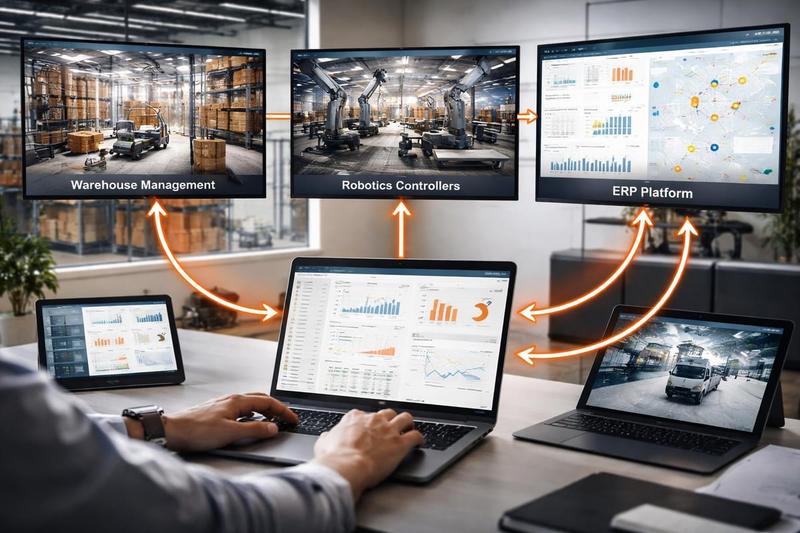
Warehouse automation technologies deliver maximum value when properly integrated with broader business systems. The next solution your operation requires must connect seamlessly with order management platforms, inventory systems, transportation management software, and customer-facing tracking portals.
Data Flow Architecture
Modern warehouse operations generate enormous data volumes-every scan, movement, and transaction creates information that should inform decision-making. Effective integration ensures data flows bidirectionally between warehouse control systems and enterprise platforms without manual intervention or reconciliation.
Essential integration points include:
- Order import from e-commerce platforms, ERP systems, or EDI connections
- Real-time inventory synchronisation maintaining accuracy across all channels
- Shipping integration with carrier systems for label generation and tracking
- Returns processing connecting reverse logistics with inventory replenishment
- Analytics platforms aggregating operational data for performance monitoring
Companies leveraging comprehensive logistics IT solutions understand that integration complexity increases exponentially with each additional system, making careful planning essential before implementation begins.
API-First Architecture
The next solution in warehouse technology increasingly relies on API-first design that facilitates connections between disparate systems. Unlike legacy platforms requiring custom programming for each integration, modern API-based architectures enable rapid connection through standardised protocols.
This approach proves particularly valuable for operations serving multiple industries or managing diverse client requirements. A third-party logistics provider can onboard new customers quickly by connecting their order systems through APIs rather than rebuilding integration infrastructure repeatedly.
Scalability and Future-Proofing Strategies
Perhaps the most critical consideration when identifying your next solution involves ensuring it supports growth trajectories extending five to ten years forward. Technologies that optimise current operations but create future constraints ultimately deliver limited value despite short-term improvements.
Modular Expansion Approaches
The most successful warehouse automation strategies embrace modularity-implementing systems that expand incrementally rather than requiring complete replacement as volumes grow. This philosophy aligns with how NextGen Logistics approaches supply chain innovation, focusing on adaptable solutions that evolve alongside business requirements.
Start with core capabilities addressing your most pressing challenges, then add complementary technologies as operational maturity increases. For example, begin with warehouse management software establishing process foundations, add mobile robotics to enhance picking productivity, then introduce automated storage systems as space constraints emerge.
Modular expansion delivers several advantages:
- Distributes capital investment across multiple budget cycles
- Allows operational teams to absorb changes gradually
- Reduces implementation risk through phased rollouts
- Enables technology refresh of individual components without full-system replacement
- Provides opportunity to incorporate emerging innovations incrementally
Technology Refresh Cycles
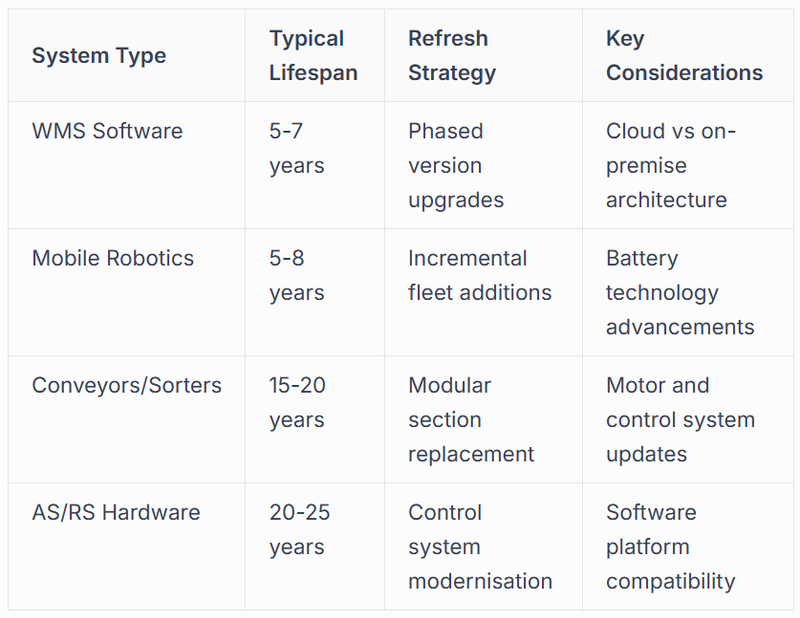
Warehouse automation technologies advance rapidly, with new capabilities emerging annually that would have seemed futuristic just years earlier. The next solution you implement today should accommodate integration of future technologies without requiring complete infrastructure overhaul.
Plan for technology refresh cycles ranging from three to seven years depending on system type. Software platforms typically require more frequent updates than mechanical handling equipment, while robotics fall somewhere in the middle as both hardware and software components evolve.
Workforce Transformation and Change Management
Implementing the next solution in warehouse automation inevitably transforms workforce requirements. Rather than reducing employment, most organisations experience shifts in role composition-fewer order pickers, more system operators and maintenance technicians. Successfully navigating this transition requires deliberate change management strategies that bring teams along the automation journey.
Skills Development Programmes
Invest in comprehensive training that prepares existing employees for evolving responsibilities. Warehouse automation creates opportunities for workers to move from physically demanding roles into positions requiring technical skills, problem-solving abilities, and system monitoring capabilities.
Effective training programmes address:
- System operation including normal workflows and exception handling
- Basic troubleshooting for common equipment and software issues
- Data interpretation enabling operators to identify performance trends
- Quality control processes ensuring accuracy standards
- Safety protocols specific to automated equipment environments
The automated parcel locker systems entering last-mile delivery demonstrate how automation creates new operational roles rather than simply eliminating existing positions.
Performance Metrics Evolution
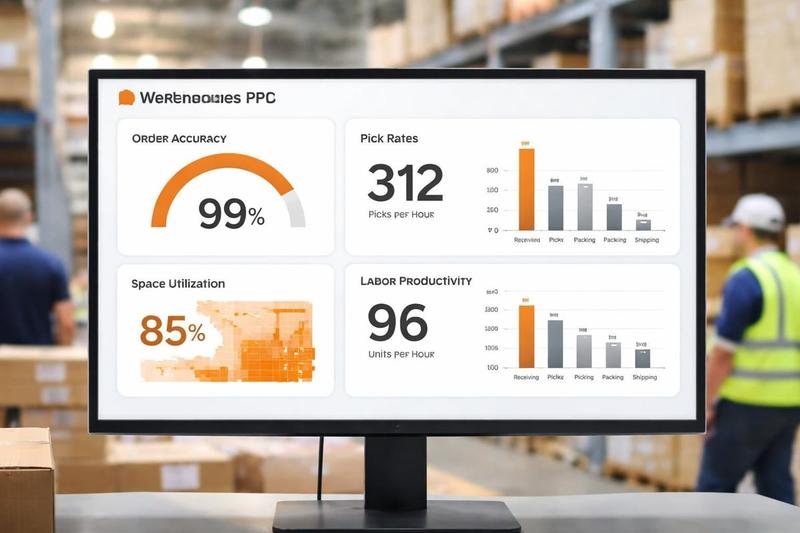
As your next solution transforms operations, update performance metrics to reflect new capabilities and expectations. Traditional measures like picks per hour remain relevant but require context adjustments when workers interact with automation rather than performing entirely manual processes.
Introduce metrics that capture automation effectiveness alongside human productivity-system uptime percentages, order cycle times, pick accuracy rates, and throughput per square metre of warehouse space. These measurements provide comprehensive views of integrated human-automation performance.
Industry-Specific Considerations
The ideal next solution varies significantly across different warehouse environments. Cold storage operations face unique challenges compared to ambient third-party logistics facilities. Pharmaceutical distributors must satisfy regulatory requirements that don't apply to general merchandise fulfilment.
Cold Chain and Temperature-Controlled Environments
Warehouses maintaining temperature-controlled environments experience intensified pressure to automate. Minimising human exposure to extreme temperatures improves working conditions while automation systems optimised for cold environments operate reliably in conditions ranging from chilled (+2°C to +8°C) through deep-freeze (-25°C and below).
The next solution for cold storage operations often emphasises automated storage and retrieval systems that maximise cubic space utilisation while maintaining precise inventory rotation. Dense storage configurations reduce refrigeration costs per pallet while automated retrieval eliminates prolonged door openings that compromise temperature stability.
Pharmaceutical and Healthcare Distribution
Pharmaceutical warehouses require automation solutions supporting strict regulatory compliance, lot tracking, expiry date management, and chain-of-custody documentation. The next solution in this sector must integrate these requirements seamlessly into operational workflows rather than treating compliance as separate processes.
Advanced warehouse management systems designed for pharmaceutical applications automate FEFO (first-expired, first-out) picking logic, maintain complete audit trails for every product movement, and integrate with serialisation systems tracking individual units throughout the supply chain.
E-commerce and Omnichannel Fulfilment
E-commerce operations managing high order volumes with predominantly single-unit picks benefit from different automation approaches than B2B distributors handling full-case quantities. The next solution for omnichannel retailers must accommodate both direct-to-consumer orders and wholesale shipments within unified warehouse operations.
Sophisticated order management platforms like those provided by Next Logistics enable intelligent order routing that directs each transaction to the optimal fulfilment location based on inventory availability, customer proximity, and capacity constraints across distribution networks.
Measuring Return on Investment
Justifying warehouse automation investments requires comprehensive ROI analysis extending beyond simple labour cost displacement. The next solution your organisation implements should deliver measurable benefits across multiple dimensions-productivity, accuracy, scalability, safety, and customer satisfaction.
Financial Modelling Approaches
Build ROI models incorporating both tangible and intangible benefits. Tangible returns include labour cost savings, space utilisation improvements, reduced error rates, and decreased product damage. Intangible benefits encompass improved employee satisfaction, enhanced customer experience, and increased operational flexibility.
Key financial metrics to calculate:
- Payback period: Time required to recover initial investment through operational savings
- Net present value: Total value of future cash flows discounted to present terms
- Internal rate of return: Percentage return the investment generates annually
- Total cost of ownership: Comprehensive five-year cost including maintenance, software updates, and energy consumption
- Productivity improvement: Quantified throughput increases measured in orders per labour hour
Most warehouse automation projects targeting operational bottlenecks achieve payback periods between 18 and 36 months, with ongoing annual returns of 25-40% after initial investment recovery.
Non-Financial Benefits
While financial returns drive investment decisions, recognise that the next solution delivers value extending beyond spreadsheet calculations. Improved working conditions reduce employee turnover, with some automated warehouses reporting 30-50% decreases in staff churn. Better order accuracy strengthens customer relationships and reduces costly returns processing.
Enhanced scalability enables businesses to pursue growth opportunities previously constrained by operational capacity. When peak season no longer requires temporary labour forces that take weeks to train and create quality control challenges, organisations can confidently commit to expanded sales without operational risk.
Vendor Selection and Partnership Models
Choosing the right technology partner proves as critical as selecting appropriate automation technologies. The next solution your warehouse implements requires ongoing support, system optimisation, and periodic upgrades throughout its operational lifespan. Evaluate potential vendors not just on initial capabilities but on their commitment to long-term partnership.
Evaluation Criteria Framework
Assess automation vendors across multiple dimensions beyond equipment specifications and pricing. Consider their industry experience, installation track record, support infrastructure, and financial stability. A sophisticated system from a vendor lacking proper support resources creates more problems than it solves.
Critical vendor evaluation factors include:
- Demonstrated experience in your specific industry vertical
- Reference customers with comparable operation sizes and complexities
- Local service presence providing responsive maintenance support
- Training programmes preparing your team for system operation
- Software update cadence ensuring continuous improvement
- Financial health indicating long-term business viability
- Integration capabilities with your existing technology ecosystem
The transportation and logistics solutions offered by platforms like Next Trucking demonstrate how technology providers now focus on comprehensive service delivery rather than simply selling software or equipment.
Implementation Partnership Approach
Successful warehouse automation requires collaborative relationships between internal teams and external implementation partners. The vendor brings technical expertise and installation experience; your team contributes operational knowledge and business process understanding. The next solution emerges from combining these complementary capabilities.
Establish clear project governance structures defining decision-making authority, communication protocols, and issue escalation paths. Regular steering committee meetings involving both parties ensure implementations stay aligned with business objectives while addressing technical challenges promptly.
The next solution in warehouse automation represents far more than technology acquisition-it's a strategic transformation journey requiring careful planning, appropriate technology selection, workforce development, and continuous optimisation. Whether you're addressing immediate operational bottlenecks or building foundation capabilities supporting decade-long growth trajectories, the right automation approach delivers measurable value while positioning your organisation for ongoing competitive advantage. Automate-X combines proven robotics, intelligent software, and seamless integration expertise to help logistics and supply chain organisations across Australia and New Zealand design and implement automation solutions perfectly matched to their unique operational requirements and strategic objectives.