

Shuttle ASRS: Revolutionising Warehouse Automation
Share on
Modern warehouses face unprecedented pressure to handle increasing order volumes while maintaining accuracy and controlling costs. Traditional storage and retrieval methods struggle to meet these demands, particularly in environments where space comes at a premium and throughput requirements continue to escalate. Shuttle ASRS (Automated Storage and Retrieval Systems) represents a transformative approach to warehouse automation, offering businesses the ability to maximise vertical space utilisation whilst dramatically improving operational efficiency. These systems combine robotics, intelligent software, and sophisticated material handling to create highly responsive storage environments that scale with business growth.
Understanding Shuttle ASRS Technology
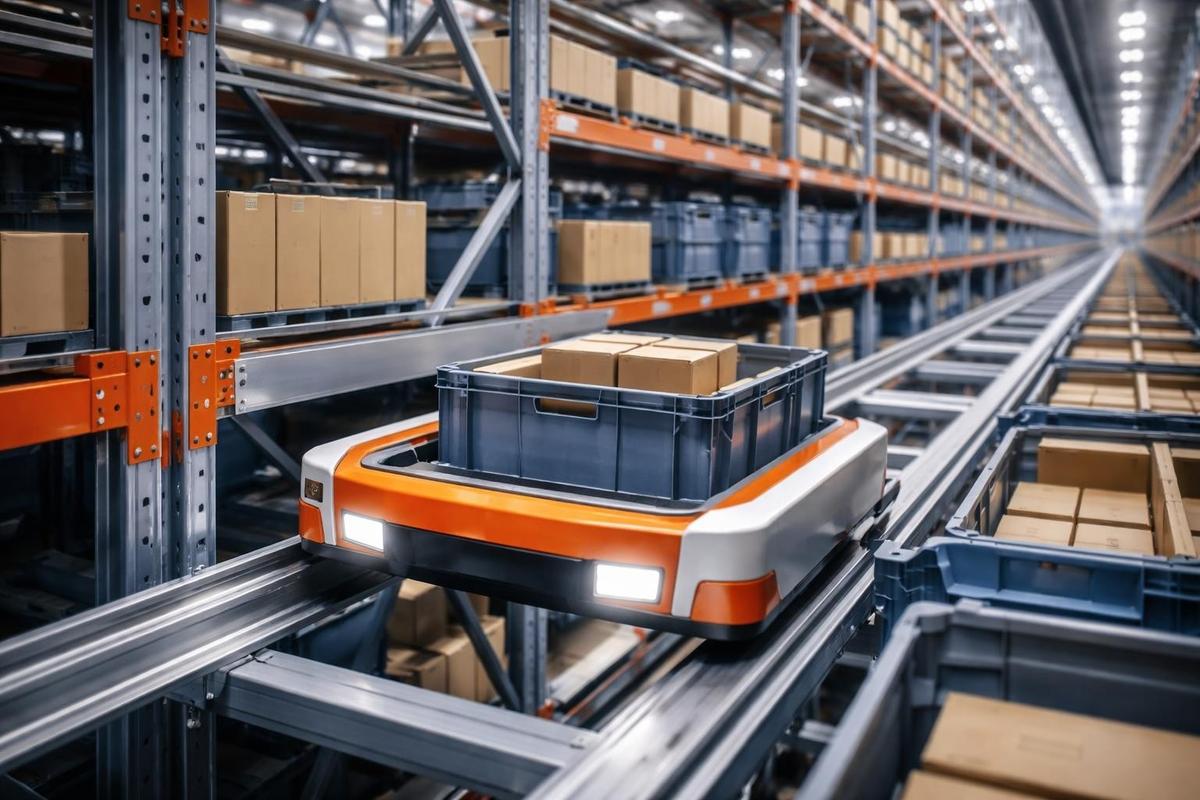
Shuttle ASRS operates through a network of automated shuttles that move horizontally along rails within storage racks, retrieving and depositing goods with precision and speed. Unlike traditional crane-based systems that rely on a single vertical mechanism serving an entire aisle, shuttle systems deploy multiple independent shuttles across different levels, creating parallel processing capabilities that substantially increase throughput.
The core architecture consists of storage racks configured in high-density layouts, with shuttles operating on each level to handle product movement. Vertical lifts transport goods between levels, whilst conveyors interface with the system to deliver items to picking stations or shipping areas. This distributed approach to automation eliminates the bottlenecks inherent in single-crane systems.
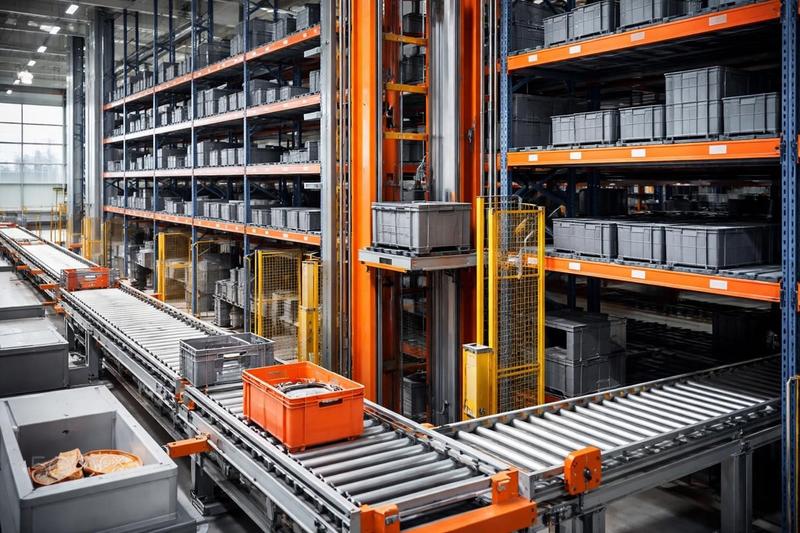
Energy efficiency represents another advantage often overlooked. Shuttle ASRS consumes less power than traditional systems because shuttles only draw energy during active movement, and regenerative braking can return power to the system. The distributed nature of operations means no single motor handles the entire vertical travel load repeatedly.
Implementation Considerations for Logistics Operations
Deploying shuttle ASRS requires careful planning and analysis. Businesses must evaluate their specific operational requirements, product characteristics, and growth projections before committing to a system design. The investment represents a long-term commitment to automated operations, making upfront analysis crucial.
Product and Order Profile Analysis
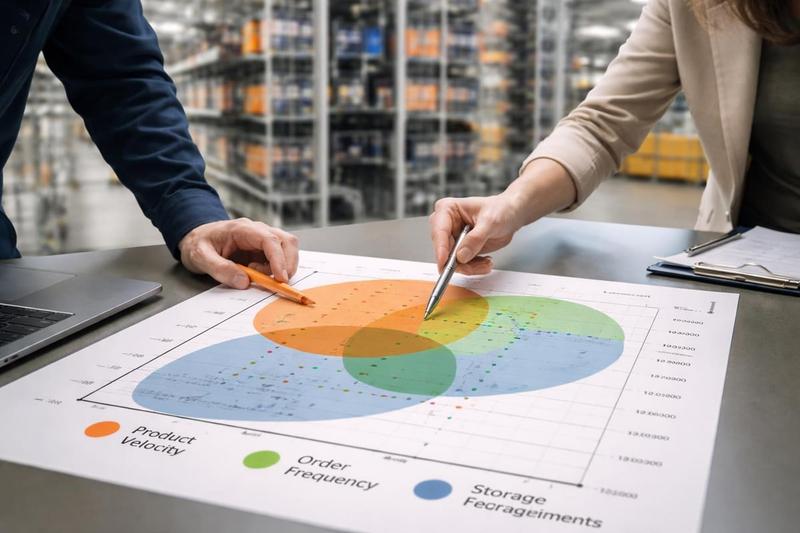
Understanding your inventory mix determines system configuration. Shuttle ASRS handles various product types, but optimal performance depends on matching system specifications to actual requirements:
- Load dimensions and weight: Define shuttle capacity and racking specifications
- SKU velocity distribution: Identify fast-movers requiring frequent access versus slower items
- Order patterns: Analyse line items per order, order batching opportunities, and throughput peaks
- Inventory turnover: Determine storage depth and retrieval frequency requirements
- Special handling needs: Consider temperature control, hazardous materials, or fragile goods
The Honeywell NextGen Shuttle System documentation outlines how modern platforms accommodate diverse operational requirements through configurable parameters and handling options.
Integration With Existing Systems
Shuttle ASRS functions as part of a broader warehouse ecosystem. Successful implementations integrate seamlessly with warehouse management systems (WMS), enterprise resource planning (ERP) platforms, and material handling equipment. Data flows between these systems enable real-time inventory visibility, accurate order fulfilment, and optimised replenishment.
Middleware solutions facilitate communication between shuttle control software and business systems. These platforms translate high-level business instructions (pick order 12345) into precise mechanical commands (shuttle 3 retrieve pallet from location A-05-12). The sophistication of this integration layer significantly impacts overall system performance and flexibility.
Industry Applications and Use Cases
Different sectors leverage shuttle ASRS technology to address specific operational challenges. The versatility of these systems makes them suitable across diverse industries, each benefiting from automation in unique ways.
E-Commerce and Third-Party Logistics
E-commerce operations face intense pressure to fulfil orders rapidly whilst managing vast SKU ranges. Shuttle ASRS supports high-velocity picking operations by bringing products directly to operators in goods-to-person configurations. For businesses exploring entry into automated picking, solutions like the Automate-X GTP Starter Grid provide accessible pathways to begin warehouse automation without overwhelming capital commitments.

Third-party logistics providers serving multiple clients benefit from shuttle ASRS flexibility. The systems accommodate varying inventory profiles, enable client-specific storage zones, and provide the transparency necessary for accurate billing and service level reporting.
Manufacturing and FMCG
Manufacturing environments use shuttle ASRS for component storage, work-in-progress buffering, and finished goods warehousing. The systems ensure materials availability at production lines whilst minimising floor space dedicated to storage. Fast-moving consumer goods operations particularly value the high-throughput capabilities during peak production periods.
Food and beverage operations implement shuttle ASRS with temperature control integration, maintaining cold chain integrity whilst automating storage and retrieval. The DNC Automation shuttle-based ASRS approach highlights how businesses integrate these systems within regulated environments requiring strict traceability and environmental controls.
Pharmaceutical and Healthcare Distribution
Pharmaceutical warehouses demand exceptional accuracy, traceability, and security. Shuttle ASRS delivers these requirements through precise inventory tracking, automated batch and serial number management, and restricted access controls. The systems support first-expired-first-out (FEFO) logic crucial for managing product shelf life and regulatory compliance.
Advanced Features and Technology Integration
Modern shuttle ASRS platforms incorporate sophisticated technologies that extend capabilities beyond basic storage and retrieval. These features enhance operational efficiency and enable businesses to extract greater value from their automation investments.
Artificial Intelligence and Predictive Analytics
Machine learning algorithms optimise shuttle positioning and task allocation in real-time. The systems analyse historical order patterns to pre-position inventory, reducing retrieval times during peak periods. Predictive maintenance capabilities monitor component performance, identifying potential failures before they cause operational disruptions. The Fives Flexy Shuttle system demonstrates how intelligent software maximises system efficiency through adaptive algorithms.
Energy management systems adjust shuttle operation based on demand patterns, reducing power consumption during quiet periods whilst ensuring capacity during peaks. Battery management optimises charging cycles to extend component life and maintain operational availability.
Multi-Deep Storage Configurations
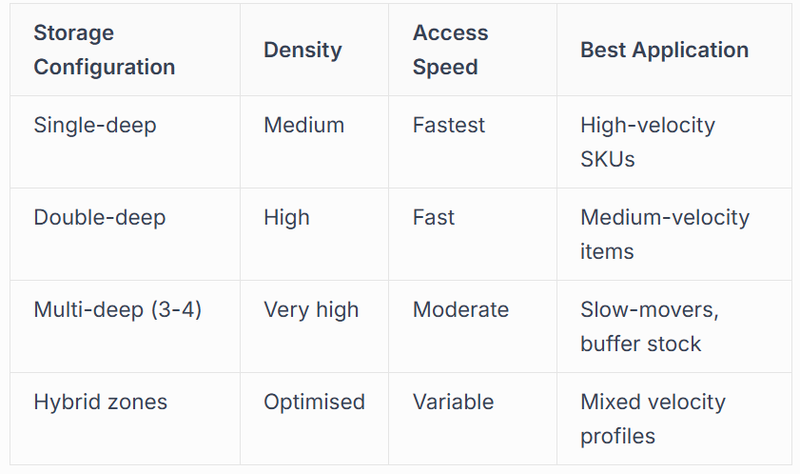
Advanced shuttle ASRS implementations support multi-deep storage, where shuttles access multiple pallet positions from a single aisle face. This approach further increases storage density whilst maintaining acceptable retrieval times for appropriate product mixes. Systems can combine single-deep and multi-deep zones to balance density and accessibility based on SKU velocity profiles.
System Performance and Operational Metrics
Measuring shuttle ASRS performance requires tracking specific metrics that reflect both technical capability and business impact. Organisations should establish baseline measurements before implementation and monitor continuously to identify optimisation opportunities.
Key Performance Indicators
Throughput represents the fundamental metric, typically measured in cycles per hour or lines picked per hour. Modern shuttle ASRS installations achieve 500-1,500 retrieval cycles per hour depending on configuration, product characteristics, and order complexity. The Dexion MDS ASRS platform showcases how four-way shuttle technology enhances performance through improved manoeuvrability and reduced travel time.
Accuracy rates in automated systems typically exceed 99.9%, substantially reducing error-related costs compared to manual operations. This precision flows through to customer satisfaction and reduced returns processing.
- Order fulfilment cycle time from order receipt to shipment staging
- Storage density measured in pallets or bins per square metre
- System availability percentage accounting for planned and unplanned downtime
- Labour productivity tracking picks per operator hour in goods-to-person scenarios
- Energy consumption per transaction for sustainability reporting
Operational Efficiency Gains
Businesses implementing shuttle ASRS report measurable improvements across multiple dimensions. Labour requirements for storage and retrieval decrease by 60-80%, allowing workforce redeployment to value-added activities. Floor space productivity increases as vertical storage maximises cubic utilisation rather than just square footage.
The productivity solutions enabled through automation extend beyond direct material handling. Improved inventory accuracy reduces safety stock requirements, freeing capital and storage capacity. Faster order processing enables later cut-off times and improved customer service levels.
Selection and Vendor Evaluation Process
Choosing the appropriate shuttle ASRS solution and implementation partner requires systematic evaluation. The market offers numerous platforms with varying capabilities, and selecting the optimal match for your specific requirements demands thorough analysis.
System Specification Development
Begin by documenting detailed operational requirements. Quantify current performance baselines, projected growth trajectories, and specific constraints such as building dimensions, floor loading capacities, and clearance heights. This specification provides the foundation for meaningful vendor discussions and accurate system sizing.
Engage stakeholders from operations, IT, maintenance, and finance early in the process. Each perspective contributes essential requirements that influence system design and vendor selection. Operations teams understand workflow patterns, IT ensures integration feasibility, maintenance assesses supportability, and finance evaluates total cost of ownership.
Vendor Assessment Criteria
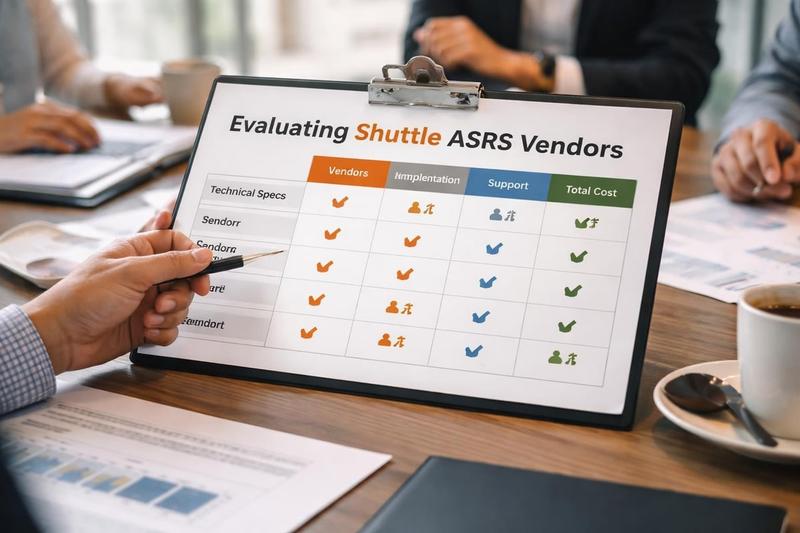
Evaluate potential vendors across multiple dimensions beyond initial system cost:
- Technical capability: System performance specifications, scalability options, and technological sophistication
- Industry experience: Proven installations in similar operational environments and applications
- Integration expertise: Demonstrated ability to connect with existing business systems and equipment
- Support infrastructure: Local service presence, spare parts availability, and response time commitments
- Financial stability: Vendor longevity and capacity to support systems throughout their operational life
Reference site visits provide invaluable insights. Observing shuttle ASRS installations in comparable operations reveals real-world performance and uncovers practical considerations documentation may not address. The NOVA pallet shuttle automation implementations demonstrate various configuration approaches across different industries.
Implementation Planning and Project Management
Successful shuttle ASRS deployment requires meticulous planning and disciplined project execution. The complexity of these installations demands coordinated effort across multiple workstreams and stakeholder groups.
Project Timeline and Milestones
Typical implementations span 12-24 months from initial planning through go-live, depending on system scope and facility constraints. The project divides into distinct phases:
Planning and design (3-5 months): Requirements analysis, system specification, vendor selection, and detailed engineering. This phase establishes the technical foundation and identifies facility modifications required to accommodate the system.
Facility preparation (2-4 months): Building modifications, floor reinforcement, power infrastructure upgrades, and environmental control installation. This work often occurs in parallel with equipment manufacturing.
System installation (3-6 months): Racking installation, shuttle deployment, control system integration, and safety system commissioning. Phased installation minimises operational disruption in existing facilities.
Testing and commissioning (2-3 months): System validation, software configuration, operator training, and progressive load introduction. Rigorous testing identifies issues before full production launch.
Change Management and Training
The human element determines implementation success as much as technical execution. Warehouse teams require comprehensive training on system operation, monitoring, and basic troubleshooting. Operators accustomed to manual processes need time to adapt to goods-to-person workflows and automation supervision roles.
Communication throughout the project maintains stakeholder alignment and manages expectations. Regular updates on progress, issue resolution, and timeline adjustments keep leadership informed and engaged. The AS/R Systems approach to warehouse automation emphasises careful planning and stakeholder management throughout deployment.
Maintenance and Lifecycle Management
Shuttle ASRS represents a significant capital investment requiring active management throughout its operational life. Proper maintenance preserves system performance, extends component life, and protects return on investment.
Preventive Maintenance Programmes
Structured maintenance schedules address both mechanical and software elements. Shuttles require regular inspection of wheels, motors, sensors, and battery systems. Lubrication, alignment checks, and wear component replacement prevent unexpected failures. Racking infrastructure needs periodic inspection for structural integrity, particularly in high-throughput environments.
Software updates maintain system security, introduce performance enhancements, and ensure compatibility with evolving business systems. Vendor-provided updates should undergo testing in non-production environments before deployment to operational systems.
Performance Optimisation
Continuous improvement initiatives extract additional value from shuttle ASRS installations. Data analysis reveals operational patterns, identifies bottlenecks, and highlights optimisation opportunities. Slotting optimisation relocates inventory based on actual pick frequencies, reducing average retrieval times. Task sequencing algorithms can be refined to minimise shuttle travel and improve throughput.
Environmental monitoring ensures optimal operating conditions. Temperature, humidity, and dust levels affect component longevity and system reliability. The NOVA ASRS shuttle systems incorporate intelligent monitoring to maintain performance across varying warehouse conditions.
Future Developments in Shuttle ASRS Technology
The shuttle ASRS market continues evolving as manufacturers integrate emerging technologies and respond to changing market demands. Several trends shape the future direction of these systems.
Autonomous Mobile Integration
Next-generation installations blur the boundaries between fixed shuttle ASRS and autonomous mobile robots (AMRs). Shuttles may navigate beyond fixed rails, transitioning between storage zones and work areas autonomously. This flexibility enables dynamic warehouse reconfiguration as business needs evolve.
Collaborative robotics integration allows human workers and automated systems to operate in shared spaces safely. Advanced sensor arrays and intelligent control systems prevent collisions whilst maintaining productivity. These developments particularly benefit operations requiring both automated storage and manual value-added services.
Sustainability and Energy Efficiency
Environmental considerations increasingly influence system design. Solar power integration, regenerative braking, and energy-efficient components reduce operational carbon footprints. Battery technology advances extend shuttle run-times whilst reducing charging infrastructure requirements.
Businesses tracking sustainability metrics find shuttle ASRS supports environmental objectives through space optimisation (reducing building energy consumption per stored unit), waste reduction from improved accuracy, and decreased forklift emissions in facilities transitioning from manual operations.
Shuttle ASRS technology provides warehouse operations with powerful capabilities to maximise storage density, increase throughput, and improve accuracy whilst controlling labour costs. The systems deliver measurable returns across diverse industries and operational profiles when properly specified and implemented. Automate-X combines deep expertise in warehouse automation with comprehensive system integration capabilities to help logistics and supply chain businesses implement shuttle ASRS solutions tailored to their specific requirements. Our team guides organisations through every phase from initial assessment through deployment and ongoing optimisation, ensuring automation investments deliver sustainable competitive advantage.