

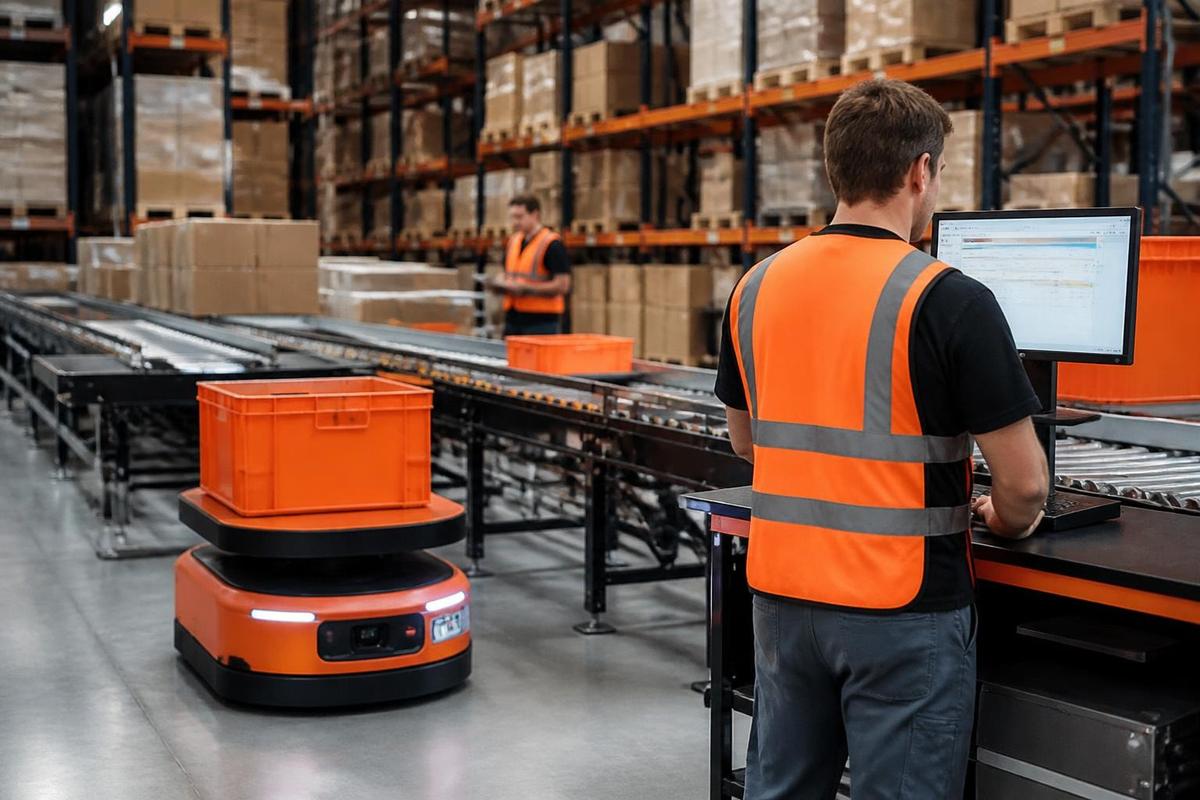
Work Robots: Transforming Warehouse Operations in 2026
Share on
The warehouse and logistics landscape has undergone a remarkable transformation over the past decade, with work robots emerging as essential tools for businesses seeking operational efficiency and competitive advantage. These sophisticated machines have evolved from simple, repetitive task performers to intelligent systems capable of navigating complex environments, collaborating with human workers, and adapting to dynamic operational demands. As supply chain pressures intensify and labour shortages persist across Australia and New Zealand, work robots represent not merely a technological upgrade but a strategic necessity for forward-thinking logistics operations.
The Evolution of Work Robots in Warehouse Environments
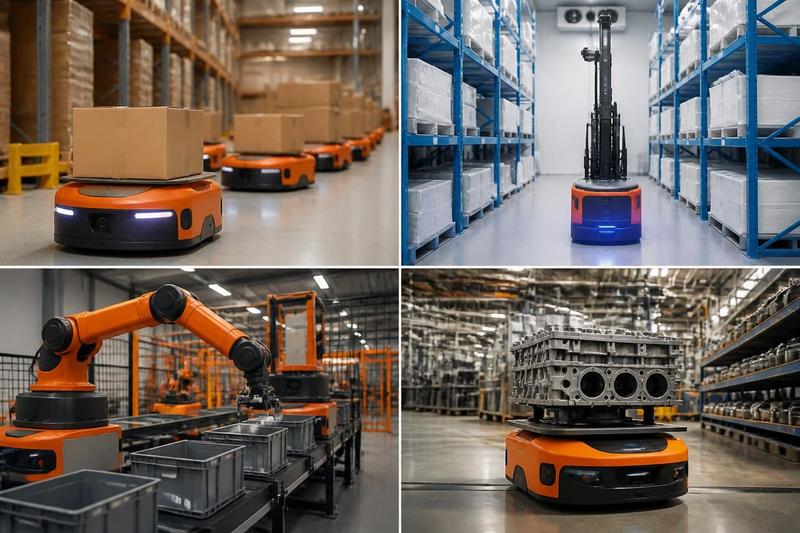
Work robots have progressed far beyond their industrial predecessors. Modern warehouse robotics encompasses autonomous mobile robots (AMRs), articulated robotic arms, collaborative robots (cobots), and integrated systems that combine multiple technologies to achieve unprecedented operational efficiency.
The transition from fixed automation to mobile, intelligent work robots marks a pivotal shift in warehouse design philosophy. Traditional conveyor-based systems required significant infrastructure investment and offered limited flexibility. Today's work robots navigate warehouse floors autonomously, communicate with warehouse management systems in real-time, and adjust their behaviour based on current operational priorities.
Key Categories of Warehouse Work Robots
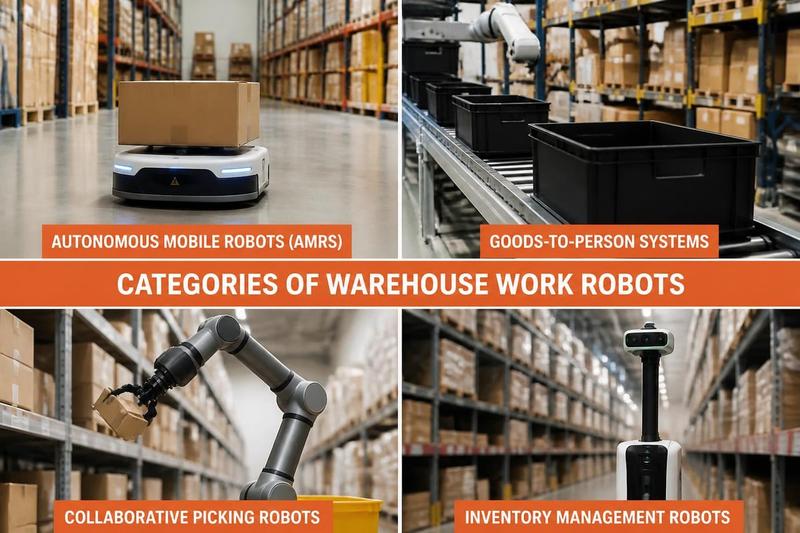
Different operational challenges demand specialized robotic solutions:
- Autonomous Mobile Robots (AMRs): Navigate independently using sensors and mapping technology to transport goods throughout facilities
- Goods-to-Person Systems: Bring inventory directly to picking stations, eliminating unproductive walking time
- Collaborative Picking Robots: Work alongside human operators to optimize order fulfillment accuracy and speed
- Palletizing and Depalletizing Robots: Handle heavy lifting tasks with precision and consistency
- Inventory Management Robots: Conduct automated stock counts and cycle counting operations
- Sortation Robots: Direct parcels and products to appropriate destinations with minimal human intervention
The diversity of available work robots enables businesses to address specific operational bottlenecks rather than implementing one-size-fits-all solutions. This targeted approach maximizes return on investment whilst minimizing disruption to existing workflows.
Integration Challenges and Solutions
Implementing work robots within existing warehouse operations presents both technical and organizational challenges. Successful integration requires careful planning, stakeholder engagement, and realistic expectations about timelines and outcomes.
Technical Integration Considerations
The standardization of robotic capabilities remains an ongoing challenge across the industry. Warehouse management systems must communicate effectively with robotic platforms, often requiring middleware solutions or API development. Network infrastructure, sensor placement, and charging station locations all demand careful attention during implementation planning.
Modern work robots typically require:
- Robust wireless connectivity across the entire operational footprint
- Integration with existing WMS platforms to receive task assignments and report completion
- Defined operational zones with appropriate safety protocols
- Regular software updates to maintain optimal performance
- Maintenance schedules that minimize operational disruption
These technical requirements underscore the importance of selecting robotics partners who provide comprehensive system integration support rather than merely supplying hardware.
Human-Robot Collaboration Frameworks
The future of worker-robot relationships extends beyond simple coexistence to genuine collaboration. Effective deployment of work robots requires thoughtful consideration of how human workers will interact with automated systems.
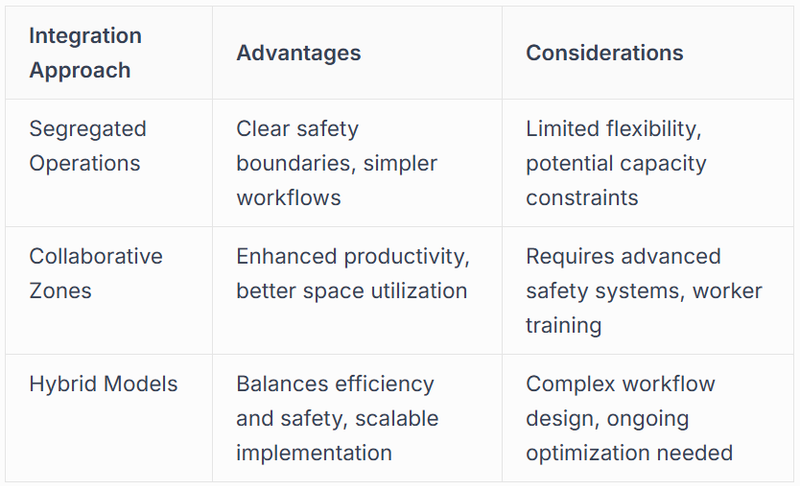
Many successful implementations adopt hybrid models where work robots handle structured, repetitive tasks whilst human workers focus on exception handling, quality control, and activities requiring judgment and adaptability.
Performance Metrics and ROI Considerations
Measuring the impact of work robots requires establishing clear baseline metrics before implementation and tracking improvements across multiple dimensions. Financial return represents only one aspect of robotics investment value.
Operational Efficiency Improvements
Businesses implementing work robots typically observe improvements across several key performance indicators:
- Order fulfillment speed: Reductions of 40-60% in order cycle times through optimized picking workflows
- Picking accuracy: Error rates declining to below 0.1% with automated verification systems
- Labour productivity: Individual worker output increasing 2-3x when supported by goods-to-person robots
- Space utilization: Inventory density improvements of 30-50% through optimized storage configurations
- Operating hours: Extended operational windows without proportional labour cost increases
These performance gains compound over time as operators become more proficient with robotic systems and organizations optimize workflows based on operational data.
Financial Analysis Framework
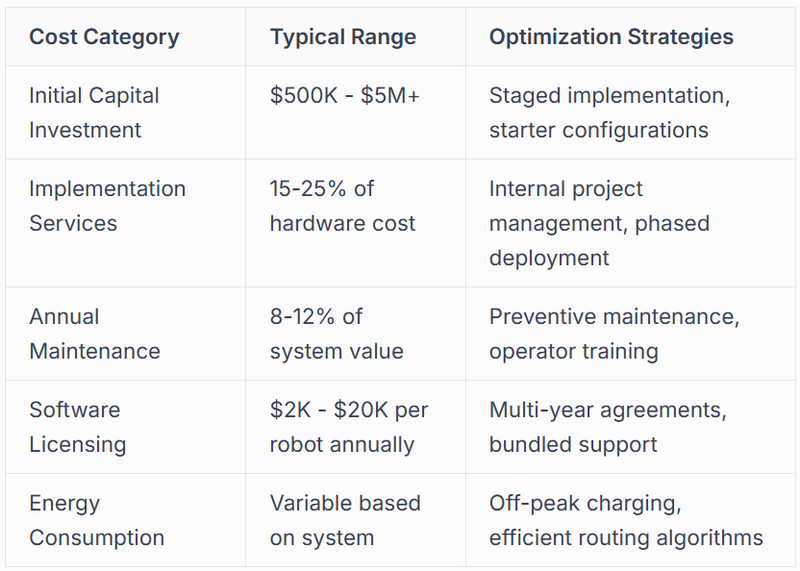
Return on investment timelines vary significantly based on operational scale, labour costs, and existing infrastructure. Distribution centers processing 10,000+ orders daily often achieve payback within 18-24 months, whilst smaller operations may require 3-4 years to realize positive returns.
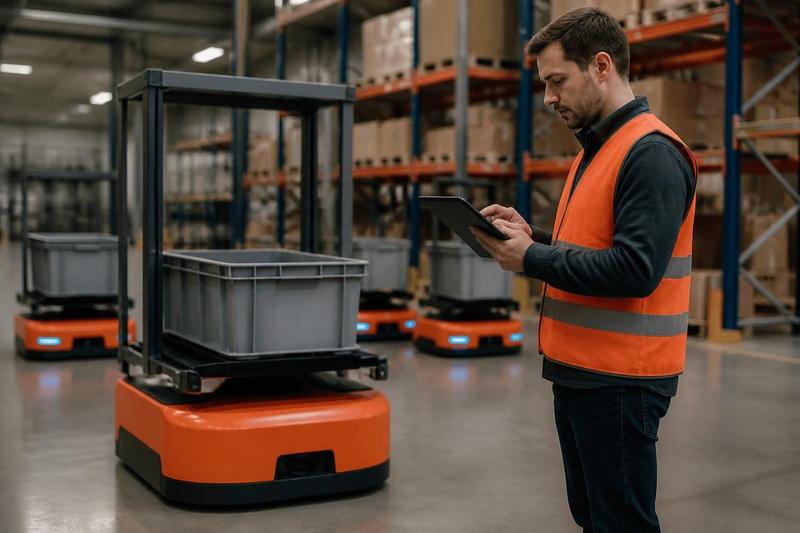
For businesses exploring warehouse automation for the first time, the Automate-X GTP Starter Grid offers an accessible entry point. This goods-to-person system enables small and medium enterprises to experience automation benefits without the capital commitment of full-scale implementations, providing a practical pathway to understanding how work robots can transform picking operations.
Technology Trends Shaping Work Robot Development
The capabilities of work robots continue to expand rapidly as underlying technologies mature. Understanding emerging trends enables businesses to make strategic decisions about timing and scope of automation investments.
Artificial Intelligence and Machine Learning Integration
Contemporary work robots increasingly incorporate AI capabilities that extend beyond simple navigation and task execution. Machine learning algorithms optimize routing in real-time, predict maintenance requirements before failures occur, and adapt picking strategies based on product characteristics and order patterns.
Computer vision systems enable robots to identify products without requiring specialized packaging or placement. This flexibility dramatically reduces implementation complexity and allows robots to handle broader product assortments. The advancement of robotic vision systems continues to unlock new application areas previously considered too complex for automation.
Enhanced Human-Robot Interfaces
The evolution of augmented reality and robotic interfaces creates new possibilities for human-robot interaction. Workers equipped with AR headsets receive visual guidance about robot locations, task priorities, and safety zones. These enhanced interfaces reduce training requirements and enable more intuitive collaboration between human workers and robotic systems.
Voice interaction, gesture recognition, and simplified control panels make work robots more accessible to operators across diverse skill levels and language backgrounds. This democratization of robotic interaction supports safer, more productive warehouse environments.
Fleet Management and Orchestration Systems
As organizations deploy larger numbers of work robots, fleet management becomes increasingly critical. Advanced orchestration platforms coordinate dozens or hundreds of robots simultaneously, optimizing task allocation, managing charging cycles, and preventing congestion in high-traffic zones.
These systems also provide valuable operational intelligence:
- Task completion analytics revealing bottlenecks and optimization opportunities
- Robot utilization metrics supporting capacity planning decisions
- Exception reporting highlighting recurring operational challenges
- Predictive maintenance alerts minimizing unplanned downtime
- Workforce productivity tracking demonstrating human-robot collaboration effectiveness
Effective fleet management transforms work robots from individual productivity tools into coordinated systems capable of adapting to changing operational demands throughout each shift.
Industry-Specific Applications and Case Studies
Different warehouse environments present unique challenges that shape work robot deployment strategies. Understanding industry-specific requirements ensures appropriate technology selection and implementation approaches.
E-commerce and Retail Fulfillment
E-commerce operations face extreme seasonality, vast product assortments, and demanding customer delivery expectations. Work robots address these challenges through scalable capacity that flexes with demand fluctuations. Peak periods that previously required temporary labour now leverage existing robotic infrastructure operating extended hours.
Small item picking represents a particular strength of goods-to-person work robots. By bringing products to ergonomic picking stations, these systems enable workers to process orders 3-4 times faster than traditional pick-to-cart methods. The combination of speed and accuracy proves essential for maintaining competitive delivery promises.
Cold Storage and Controlled Environment Operations
Refrigerated and frozen storage facilities present harsh working conditions that increase labour costs and turnover. Work robots designed for cold storage environments operate reliably at temperatures ranging from 2°C to -25°C, eliminating human exposure to these challenging conditions.
Battery performance, component durability, and condensation management require specialized engineering for cold storage applications. Organizations implementing robotics in these environments often redeploy human workers to ambient temperature zones, improving both productivity and worker satisfaction whilst maintaining operational continuity.
Third-Party Logistics (3PL) Operations
3PL providers manage diverse client requirements, product types, and operational workflows within shared facilities. Work robots suited to 3PL environments offer configuration flexibility, rapid deployment capabilities, and clear client-specific reporting.
The Wineworks case study demonstrates how tailored automation solutions address unique operational requirements whilst delivering measurable productivity improvements. Similar implementations across diverse 3PL operations highlight the adaptability of modern work robot platforms to varied warehouse environments and client demands.
Implementation Planning and Change Management
Successful work robot deployment extends far beyond equipment selection and installation. Organizations that achieve superior outcomes invest substantial effort in planning, stakeholder engagement, and ongoing optimization.
Phased Implementation Strategies
Rather than attempting warehouse-wide automation simultaneously, leading organizations adopt staged approaches:
- Phase 1: Pilot deployment in controlled zone with limited SKU range
- Phase 2: Expansion to additional product categories based on pilot learnings
- Phase 3: Integration with upstream and downstream processes
- Phase 4: Optimization of workflows and performance tuning
- Phase 5: Scaling to full operational capacity with continuous improvement
This methodology reduces implementation risk, builds organizational confidence, and enables course corrections based on real operational experience.
Workforce Development and Training
Work robots change job roles rather than simply eliminating positions. Warehouse workers transition from physically demanding picking and transport activities to robot supervision, exception handling, and quality assurance functions. This evolution requires comprehensive training programs and realistic timelines for skill development.
Effective training addresses both technical competencies and psychological adaptation. Workers need confidence that automation enhances rather than threatens their roles. Organizations that communicate transparently about implementation plans, involve workers in process design, and provide clear career development pathways achieve smoother transitions and better outcomes.
System Integration with Warehouse Operations
Modern automated warehouse management systems serve as the central nervous system coordinating work robots, inventory management, and order fulfillment processes. Integration quality directly impacts automation success.
Key integration requirements include:
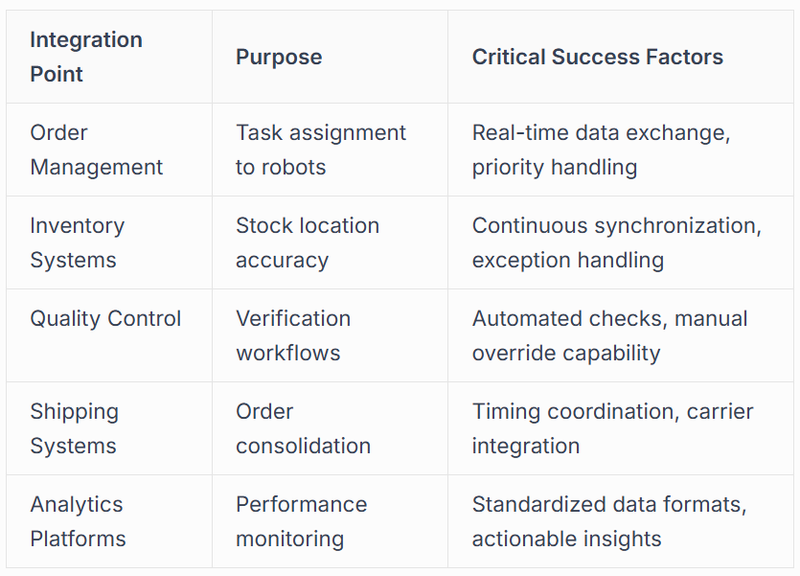
Organizations with mature WMS implementations typically achieve faster robotics deployment and superior operational results compared to those requiring simultaneous WMS and robotics implementations.
Future Outlook for Work Robots in Warehousing
The trajectory of work robot development points toward increasingly autonomous, intelligent, and versatile systems. Several emerging trends warrant attention from warehouse operators planning automation investments.
Autonomous learning capabilities will enable work robots to optimize their own performance without human programming. Robots will analyze operational patterns, identify inefficiencies, and adjust behaviors to achieve continuous improvement. This self-optimization reduces ongoing management overhead and accelerates performance gains.
Modular robot designs allow organizations to reconfigure capabilities as operational requirements evolve. Interchangeable grippers, adjustable payload capacities, and software-defined functionality enable single robot platforms to address multiple use cases throughout their operational lifespan.
Sustainability considerations increasingly influence work robot design and deployment. Energy-efficient operation, recyclable materials, and extended equipment lifecycles align automation investments with corporate environmental commitments whilst reducing total cost of ownership.
The convergence of work robots with other warehouse technologies such as automated storage and retrieval systems (AS/RS), conveyor networks, and drone-based inventory systems creates integrated automation ecosystems. These comprehensive solutions deliver synergistic benefits exceeding the sum of individual components.
Organizations exploring these advanced automation concepts can gain valuable insights at industry events like CEMAT 2025, where the latest work robot innovations and integration strategies are showcased alongside practical implementation guidance.
Work robots have transitioned from experimental technology to essential infrastructure for competitive warehouse operations, delivering measurable improvements in productivity, accuracy, and operational flexibility across diverse logistics environments. Whether you're managing e-commerce fulfillment, cold storage distribution, 3PL operations, or manufacturing logistics, Automate-X provides the expertise and integrated solutions to design, implement, and optimize robotic systems tailored to your specific operational requirements and growth objectives.