

Automation of Operations in Modern Warehousing
Share on
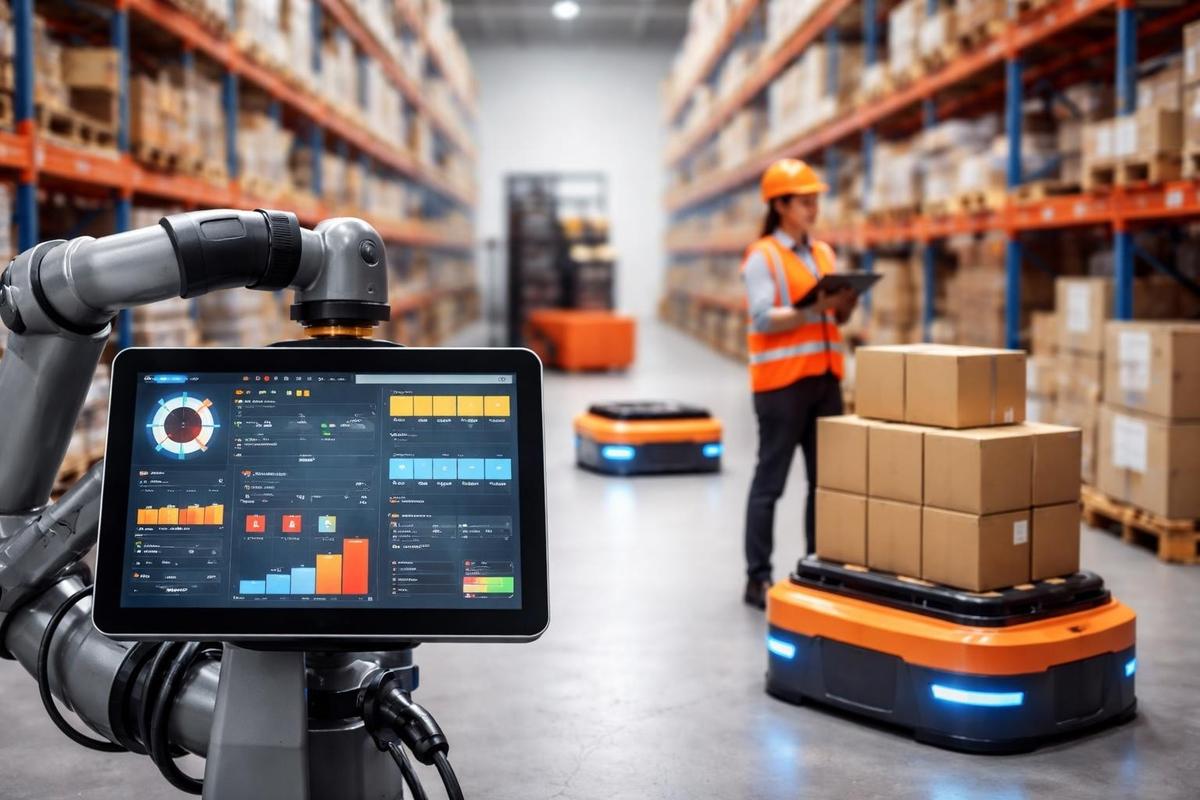
The landscape of warehouse and logistics management has transformed dramatically over the past decade, with automation of operations emerging as a critical competitive advantage for businesses seeking to thrive in an increasingly demanding marketplace. Modern warehouses face unprecedented challenges: rising customer expectations for faster delivery, labour shortages, escalating operational costs, and the need for greater accuracy across every touchpoint. These pressures have accelerated the adoption of intelligent automation solutions that fundamentally reshape how distribution centres, fulfilment operations, and supply chain facilities function.
Understanding the Scope of Automation of Operations
Automation of operations encompasses far more than simply introducing robots to a warehouse floor. It represents a comprehensive transformation of how work flows through an organisation, integrating technology, processes, and people into a cohesive system designed for maximum efficiency. At its core, operations automation involves the strategic deployment of technologies that reduce manual intervention, eliminate repetitive tasks, and enable real-time decision-making across the entire operational ecosystem.
Core Components Driving Warehouse Transformation
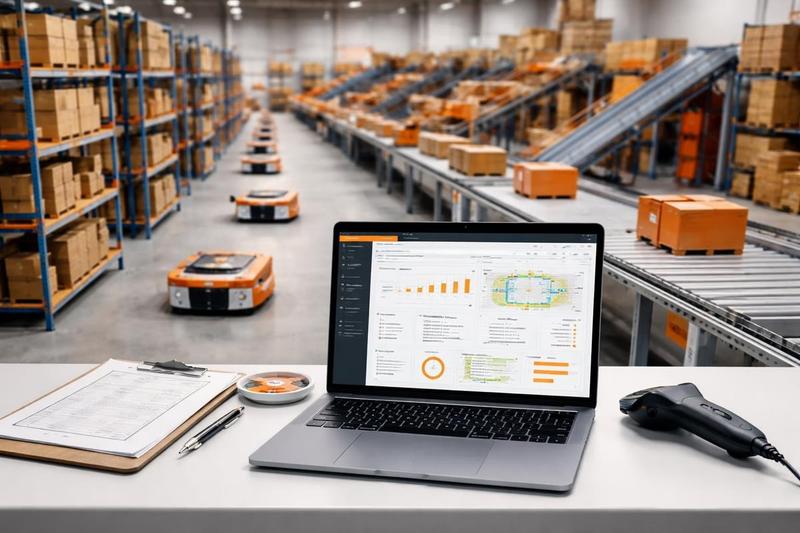
Modern warehouse automation relies on several interconnected technologies working in harmony. Robotic systems handle physical tasks like picking, sorting, and transporting goods throughout the facility. Warehouse management systems serve as the digital brain, orchestrating activities and optimising workflows. Automated identification technologies such as RFID and barcode scanning ensure precise inventory tracking at every stage. Conveyor systems and sorters move products efficiently between zones, whilst automated storage and retrieval systems maximise vertical space utilisation.
The integration of these components creates a multiplier effect. When an automated warehouse management system connects seamlessly with robotic units and sorting equipment, the entire operation achieves levels of speed and accuracy impossible with manual processes alone.
Strategic Benefits Across Different Operational Areas
The implementation of automation of operations delivers measurable advantages across multiple dimensions of warehouse performance. Understanding these benefits helps organisations prioritise investments and set realistic expectations for transformation initiatives.
Productivity and Throughput Enhancement
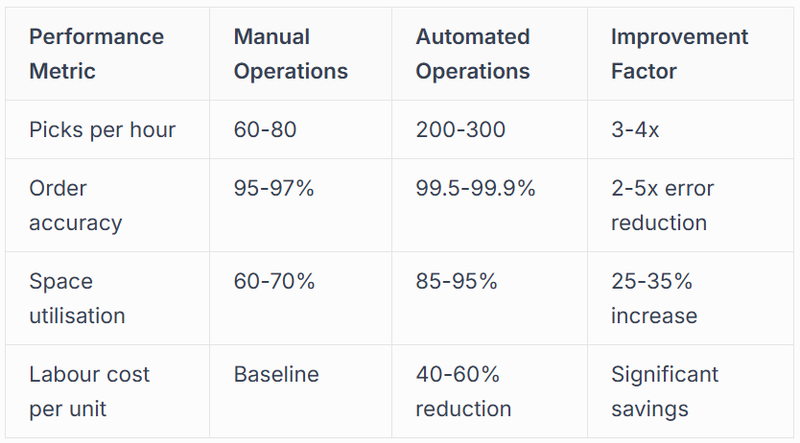
Automated systems operate continuously without fatigue, breaks, or performance degradation. A goods-to-person robotic system can process orders 3-4 times faster than traditional pick-to-cart methods, whilst maintaining higher accuracy rates. This productivity increase directly translates to enhanced capacity within existing facilities, delaying or eliminating the need for expensive warehouse expansions.
Labour Optimisation and Workforce Development
Rather than eliminating jobs, automation of operations reshapes workforce requirements. Manual, physically demanding tasks transition to technology oversight, maintenance, and exception handling. This shift creates safer working conditions whilst enabling employees to develop more valuable technical skills. Many organisations report improved employee satisfaction and retention following automation implementation, as workers engage in more intellectually stimulating roles.
The labour optimisation extends beyond direct warehouse staff. Automated systems generate rich data streams that enable better forecasting, planning, and resource allocation across the entire supply chain network.
Implementation Principles for Successful Automation
Achieving positive returns from automation of operations requires thoughtful planning and adherence to proven implementation principles. Six core principles of automation provide valuable guidance: visibility into existing processes, accuracy in data and execution, simplicity in design, efficiency gains, speed improvements, and enhanced user experience.
Establishing Your Single Source of Truth
Before implementing any automation technology, organisations must establish a reliable single source of truth for operational data. This authoritative data foundation ensures all automated systems work from consistent, accurate information. Without this foundation, automation can amplify existing data quality problems rather than solving them.
Critical data elements requiring validation include:
- Real-time inventory quantities and locations
- Product dimensions, weights, and handling requirements
- Order priorities and customer service commitments
- Facility layout and storage zone configurations
- Equipment capabilities and maintenance schedules
The investment in data quality pays dividends throughout the automation journey. Systems make better decisions, prediction accuracy improves, and troubleshooting becomes significantly faster when everyone trusts the underlying information.
Phased Deployment Strategies
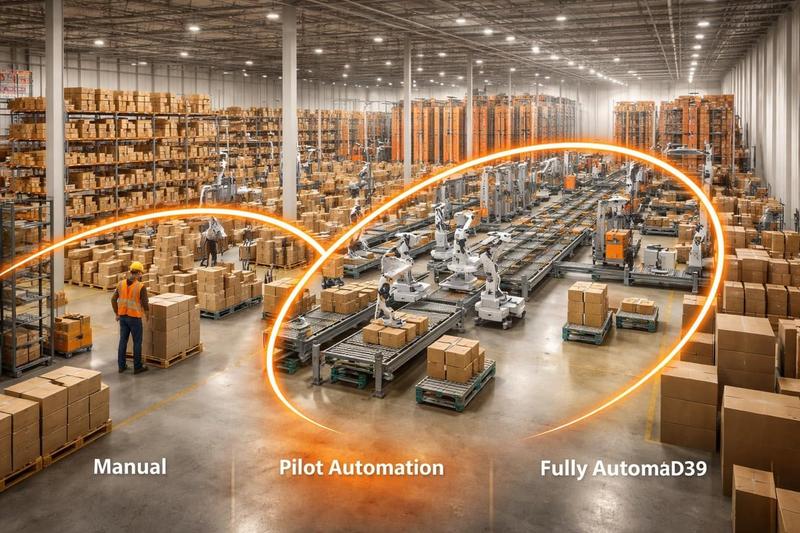
Successful automation of operations typically follows a phased approach rather than wholesale transformation. Starting with high-impact, lower-risk processes builds organisational capability whilst delivering early wins that justify continued investment.
- Assessment and discovery: Map current workflows, identify bottlenecks, and quantify improvement opportunities
- Pilot implementation: Deploy automation in a contained area or process to validate technology and refine approaches
- Optimisation and scaling: Fine-tune the pilot installation based on learnings, then expand to additional areas
- Integration and enhancement: Connect systems, add advanced capabilities, and pursue continuous improvement
For small to medium-sized operations looking to begin their automation journey, solutions like the Automate-X GTP Starter Grid provide an accessible entry point. This goods-to-person system offers a practical way to introduce warehouse automation without the complexity and investment required for full-scale implementations, enabling businesses to experience productivity gains whilst developing the expertise needed for future expansion.
Technology Integration and System Architecture
Modern automation of operations succeeds through intelligent integration rather than isolated point solutions. The most effective warehouse automation strategies create ecosystems where multiple technologies share data seamlessly and collaborate to optimise overall performance.
Software Platforms as Integration Hubs
Warehouse management systems have evolved into sophisticated integration platforms that orchestrate diverse automation technologies. These systems communicate with enterprise resource planning software, transportation management systems, robotics controllers, and customer-facing order platforms. This connectivity enables real-time visibility and coordinated execution across previously siloed functions.
Advanced implementations incorporate machine learning capabilities that continuously improve decision-making. Predictive algorithms determine optimal storage locations based on product velocity, forecast equipment maintenance needs before failures occur, and dynamically adjust picking strategies to balance workload across resources.
Network and Communication Infrastructure
Reliable, high-speed network infrastructure forms the backbone of automation of operations. Automated guided vehicles, robotic arms, conveyor systems, and scanning devices all require constant connectivity to function effectively. Network disruptions can halt entire operations, making redundancy and performance monitoring essential considerations.
The importance of Network Configuration Management as a system of record becomes apparent in complex automated environments. Maintaining accurate documentation of network infrastructure, configurations, and dependencies enables faster troubleshooting and supports planned expansions without service disruptions.
Industry-Specific Applications and Considerations
Different sectors face unique challenges that shape their approach to automation of operations. Understanding these nuances ensures technology investments align with specific operational requirements and regulatory constraints.
E-commerce and Third-Party Logistics
High-volume e-commerce fulfilment and 3PL operations prioritise speed and flexibility. These environments process thousands of SKUs with highly variable order profiles, from single-item consumer shipments to bulk replenishment orders. Automation solutions must handle this diversity efficiently whilst adapting quickly to seasonal demand fluctuations and client requirement changes.
Goods-to-person systems excel in these environments, bringing inventory to stationary pickers who maintain high throughput without constant walking. Automated sorting systems direct completed orders to appropriate shipping lanes based on carrier, service level, and destination.
Food, Beverage, and Pharmaceutical Operations
Temperature-controlled environments present additional automation challenges. Robotic systems must operate reliably in refrigerated or frozen conditions where human productivity naturally declines. Pharmaceutical operations require strict lot tracking, serialisation compliance, and quality verification at multiple checkpoints.
Specialised automation features for regulated industries:
- Environmental monitoring and logging throughout storage and handling
- Automated quality verification using vision systems and weight checks
- Complete chain-of-custody tracking with audit trails
- First-expired, first-out (FEFO) rotation enforcement
- Quarantine management and release workflows
Recent projects like DHL's automated warehouse in Auckland demonstrate how large-scale automation of operations can be successfully deployed in New Zealand's logistics landscape, providing valuable insights for organisations considering similar investments.
Addressing Common Implementation Challenges
Despite compelling benefits, automation of operations introduces complexities that organisations must navigate carefully. Anticipating and addressing these challenges improves implementation success rates and shortens time-to-value.
Change Management and Workforce Transition
Technology deployment represents the easier aspect of automation implementation. The human dimension, involving process changes, role redefinition, and skill development, often determines ultimate success or failure. Comprehensive strategies for COOs integrating technology and automation emphasise communication, training, and involvement of frontline workers in design decisions.
Successful organisations approach automation as a partnership between people and technology rather than a replacement strategy. They invest heavily in training programmes, create clear career pathways for evolving roles, and maintain transparent communication about automation objectives and timelines.
Managing the Ironies of Automation
The concept of ironies of automation highlights a paradox: as systems become more automated and reliable, human operators become less familiar with underlying processes. When automation inevitably encounters exceptions or failures, less-experienced operators struggle to diagnose and resolve issues effectively.
Addressing this challenge requires deliberate strategies to maintain operator competency. Regular manual operation exercises, comprehensive simulation training, and well-documented exception-handling procedures help ensure teams remain capable of managing the unexpected.

Measuring Success and Optimising Performance
Effective automation of operations programmes establish clear metrics that track both technological performance and business outcomes. These measurements guide optimisation efforts and justify continued investment in automation capabilities.
Key Performance Indicators Across Operational Dimensions
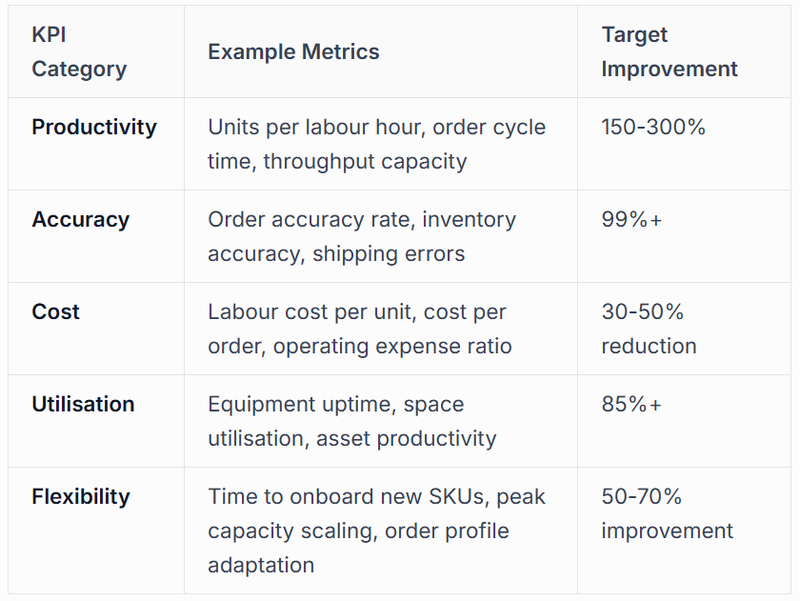
Beyond operational metrics, organisations must track financial returns including payback periods, return on investment, and total cost of ownership comparisons against alternative solutions. These financial perspectives ensure automation investments deliver sustainable value rather than simply impressive technical achievements.
Continuous Improvement and System Evolution
The most successful automation of operations implementations view initial deployment as the beginning rather than the end. Zapier's comprehensive guide to operations automation emphasises the importance of ongoing optimisation, regular performance reviews, and systematic capture of lessons learned.
Establishing feedback mechanisms that capture insights from operators, maintenance teams, and system data analytics creates a foundation for continuous refinement. Regular review cycles assess whether automation is delivering expected benefits, identify new opportunities for expansion, and ensure technology investments remain aligned with evolving business strategies.
Data Governance and Operational Intelligence
As automation of operations generates massive volumes of operational data, establishing robust data governance frameworks becomes essential. Proper governance ensures data quality, security, privacy compliance, and effective utilisation of information assets for decision-making.
Building Analytics Capabilities
Modern automated warehouses generate detailed transaction records, equipment telemetry, environmental data, and quality metrics. Converting this raw data into actionable intelligence requires analytics capabilities spanning descriptive reporting, diagnostic analysis, predictive modelling, and prescriptive recommendations.
Effective analytics programmes address multiple stakeholder needs. Operations teams monitor real-time performance and respond to immediate issues. Planning teams analyse trends to optimise resource allocation and capacity planning. Executive leadership tracks strategic metrics to assess overall automation programme effectiveness and guide future investments.
Future Directions and Emerging Technologies
The evolution of automation of operations continues accelerating as new technologies mature and converge. Understanding emerging trends helps organisations make forward-looking investment decisions that remain relevant as the automation landscape evolves.
Key technology trends shaping warehouse automation:
- Autonomous mobile robots with advanced navigation and collaborative capabilities
- Computer vision and artificial intelligence for quality inspection and damage detection
- Digital twin technologies enabling virtual commissioning and scenario planning
- Collaborative robots (cobots) working safely alongside human operators
- Blockchain integration for supply chain transparency and provenance tracking
These technologies promise further productivity gains, enhanced flexibility, and new capabilities that address current automation limitations. Organisations planning long-term automation strategies should consider how emerging technologies might complement or enhance planned investments rather than making decisions based solely on today's capabilities.
The automation of operations represents a fundamental shift in how modern warehouses and distribution centres compete and serve their customers. By thoughtfully integrating robotics, intelligent software, and system connectivity, organisations can achieve remarkable improvements in productivity, accuracy, and operational flexibility whilst creating safer, more engaging work environments. Whether you're exploring initial automation opportunities or seeking to optimise existing implementations, Automate-X provides the expertise, technology solutions, and integration capabilities to guide your automation journey. Our team works closely with logistics, 3PL, e-commerce, and manufacturing operations throughout Australia and New Zealand to design and deploy warehouse automation solutions that deliver measurable, sustainable results.