

7 Smart Ways To Optimise Your Storage Retrieval System In 2026
Share on
Warehouses in 2026 are facing unprecedented order volumes, driven by relentless customer expectations for speed and accuracy. As demand surges, the pressure to deliver faster, more reliably, and at lower cost is reshaping the logistics landscape.
Modern supply chains must contend with space constraints, ongoing labour shortages, and the growing need for real-time inventory accuracy. These challenges demand smarter solutions and a new approach to warehouse operations.
Optimising your storage retrieval system is the key to unlocking higher productivity, reducing costs, and ensuring your operations are ready for the future. A well-optimised system can transform bottlenecks into opportunities for growth.
This article reveals seven smart, actionable ways to optimise your storage retrieval system for 2026. You will discover practical strategies and real-world examples, covering automation, data-driven optimisation, seamless integration, and more.
Understanding Storage Retrieval Systems in 2026
The landscape of the storage retrieval system has transformed rapidly over recent years. Warehouses have evolved from relying on manual shelving and paper-based logs to adopting highly automated, intelligent solutions. These changes are driven by the explosion of e-commerce, the diversification of SKUs, and the demand for faster, more accurate order fulfilment.

The Evolution of Storage Retrieval Systems
The storage retrieval system has seen a significant transformation. Decades ago, warehouses depended on manual picking and static racking, which limited scalability and speed. As order volumes grew, automation became necessary. The rise of e-commerce, SKU proliferation, and customers expecting same-day delivery have all accelerated this shift.
Today, there are three main types of storage retrieval system: manual, semi-automated, and fully automated. Core components include hardware such as robotic shuttles, conveyors, and vertical lifts, as well as software like warehouse management systems (WMS) and warehouse control systems (WCS). Integration layers connect these elements for seamless operations.
Key trends for 2026 include robotics, artificial intelligence, modular design, and sustainability. The shift from static racking to dynamic, goods-to-person solutions is a standout example. Facilities implementing Goods-to-Person Automation Solutions report major boosts in throughput and flexibility. According to industry reports, adoption of automated storage and retrieval systems (ASRS) is growing rapidly, with ROI improvements seen across the sector.
Challenges Facing Modern Warehouses
Despite these advancements, the storage retrieval system faces several pressing challenges. Space utilisation is a constant concern as urban real estate costs rise and available footprint shrinks. Labour shortages and increasing wages make it difficult to maintain efficient operations, especially during peak seasons.
Order accuracy and fulfilment speed are essential for customer satisfaction, yet errors and delays can still occur without robust systems. Maintaining inventory visibility and traceability is another hurdle, particularly when handling thousands of SKUs. Integration with upstream and downstream processes can be complex, leading to data silos and inefficiencies.
Consider a warehouse using outdated storage retrieval system methods. Inefficient retrieval can significantly increase order fulfilment times, leading to missed delivery windows and higher operational costs. Addressing these challenges is crucial for staying competitive.
The Business Case for Optimisation
Investing in a modern storage retrieval system delivers measurable benefits. Quantifying ROI is straightforward: reduced picking times, fewer errors, and lower inventory holding costs all contribute to operational savings. Top-performing companies benchmark their results, using technology to gain a competitive edge.
For example, optimised facilities have reported reduced picking errors by up to 40 percent, while cutting inventory holding costs by 20 percent. These improvements stem from integrating advanced storage retrieval system technologies, streamlining workflows, and leveraging real-time data.
Embracing an optimised storage retrieval system is not just about keeping up with industry trends; it is a strategic move that supports growth, increases efficiency, and ensures long-term resilience for any warehouse operation.
7 Smart Ways To Optimise Your Storage Retrieval System In 2026
In 2026, the storage retrieval system is at the centre of warehouse efficiency and competitiveness. By implementing the right strategies, you can transform operations, boost accuracy, and keep pace with rising customer demands. Below, you’ll discover seven proven ways to optimise your storage retrieval system, each backed by real-world insights and actionable steps.
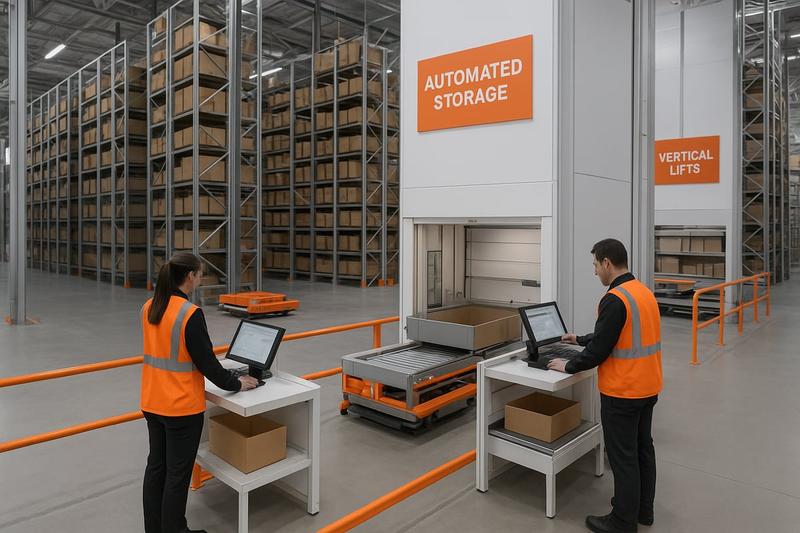
1. Embrace Modular Automation for Scalability
Modular automation is revolutionising how a storage retrieval system adapts to changing business needs. Instead of committing to a large, fixed infrastructure, modular automated storage and retrieval systems (ASRS) or shuttle platforms let you expand capacity in phases. This agility is vital as SKU counts and order volumes fluctuate.
Benefits of modular automation include:
- Flexibility to add or remove modules as demand shifts
- Lower upfront investment compared to traditional fixed installations
- Ability to scale without significant downtime or operational disruption
For example, a warehouse can introduce additional aisles or robotic shuttles as business grows. This phased approach reduces risk and allows you to align capital expenditure with actual growth. Facilities using modular automation report deployment times up to 30% faster and a lower total cost of ownership.
A real-world illustration of these benefits can be found in the Davis Automated Bulk Pallet Storage Case Study, where a modular storage retrieval system enabled rapid expansion and measurable ROI.
Scalability is now a non-negotiable. As product ranges shift and customer expectations rise, a modular storage retrieval system ensures your warehouse remains future-ready.
2. Leverage Data Analytics and AI for Intelligent Inventory Management
Harnessing data analytics and AI within your storage retrieval system transforms inventory management from reactive to predictive. AI-driven software analyses historical movement patterns, identifying fast and slow movers, and suggests optimal slotting for every SKU.
Key advantages include:
- Predictive analytics enable accurate demand forecasting and timely replenishment
- Automated cycle counting ensures real-time inventory accuracy
- Data-driven decisions reduce out-of-stocks and excess inventory
Consider a scenario where AI identifies a sudden spike in a product’s demand. The storage retrieval system can automatically reposition this SKU closer to the picking zone, reducing travel time and boosting throughput. Warehouses adopting these tools achieve inventory accuracy rates as high as 99.9 percent.
By moving away from manual guesswork, your storage retrieval system can consistently deliver precise, efficient operations. The result is fewer errors, lower costs, and a more resilient supply chain.
3. Integrate Seamlessly with Warehouse Management Systems (WMS)
Full integration of your storage retrieval system with warehouse management systems (WMS) and warehouse control systems (WCS) is essential for synchronised, real-time operations. When these systems communicate seamlessly, every order, pick, and replenishment is coordinated with minimal human intervention.
Integration brings several key benefits:
- Real-time order tracking and status updates
- Streamlined workflows that eliminate manual bottlenecks
- Rapid onboarding of new technologies via API-driven architectures
For instance, when an order is released, the WMS can trigger the storage retrieval system to initiate the retrieval sequence immediately. This tight integration boosts end-to-end efficiency and ensures that inventory is always available when needed.
Statistics show that integrated facilities achieve order processing times up to 25 percent faster than non-integrated peers. Eliminating data silos also supports better decision-making and continuous improvement within your storage retrieval system.
4. Optimise Space Utilisation with Vertical and High-Density Storage
Warehouse space is a premium asset. Modern storage retrieval system designs unlock hidden capacity by using vertical lift modules, carousels, and high-density racking. These solutions maximise cubic space, allowing you to store more inventory within the same footprint.
Effective space optimisation strategies include:
- Retrofitting vertical systems into existing warehouses for significant space savings
- Dynamic slotting to place high-turnover items in easily accessible locations
- Reducing operator travel distances to speed up picking and replenishment
For example, vertical lift modules can deliver up to 80 percent space savings compared to traditional static racking. Some high-density storage retrieval system setups support throughput rates up to 600 lines picked per hour.
By leveraging verticality and high-density designs, your storage retrieval system not only increases storage capacity but also enhances order fulfilment speed.
5. Enhance Picking Accuracy and Ergonomics
Optimising the picking process is vital for customer satisfaction and workforce well-being. A storage retrieval system that incorporates goods-to-person technology, ergonomic workstations, and advanced picking aids can dramatically reduce errors and boost morale.
Key strategies to enhance picking accuracy and ergonomics:
- Implement light-directed, pick-to-voice, or visual picking aids
- Design ergonomic workstations to minimise operator strain
- Use batch picking and automated sequencing to reduce travel
For example, introducing goods-to-person systems ensures that operators receive items directly, reducing fatigue and the likelihood of mistakes. Facilities that invest in ergonomic storage retrieval system designs report up to 40 percent fewer picking errors and lower injury rates.
By prioritising both accuracy and ergonomics, your storage retrieval system supports a healthier, more productive team and delivers consistent order quality.
6. Prioritise Energy Efficiency and Sustainability
Energy costs and sustainability targets are pressing concerns for warehouses in 2026. An energy-efficient storage retrieval system can cut operational costs while supporting environmental goals.
Effective practices include:
- Deploying energy-efficient motors and regenerative drives
- Scheduling retrieval operations to balance energy loads across shifts
- Using smart lighting and idle time for charging autonomous vehicles
For instance, a storage retrieval system that schedules charging during off-peak hours can minimise energy expenses. Green automation not only reduces carbon footprint but also attracts environmentally conscious clients and partners.
Sustainable storage retrieval system designs can reduce operational costs by up to 15 percent, making them a smart investment for long-term competitiveness.
7. Future-Proof with Flexible Robotics and AI-Enabled Upgrades
The final key to optimisation is future-proofing. Invest in a storage retrieval system with flexible robotics and AI-enabled upgrades to adapt as business requirements evolve.
Essential future-proofing strategies:
- Select system architectures that allow for easy hardware and software upgrades
- Ensure robotics can handle changing product profiles and order patterns
- Use AI to enable self-optimisation and continuous learning
For example, as your product mix changes, you can add new robotic picking arms or reconfigure workflows without major overhauls. Upgradable storage retrieval system designs extend asset life and reduce the risk of obsolescence.
Facilities with AI-enabled, flexible systems report improved adaptability and sustained performance, ensuring your warehouse is ready for whatever the future brings.
Measuring Success: Key Performance Indicators for Optimised Systems
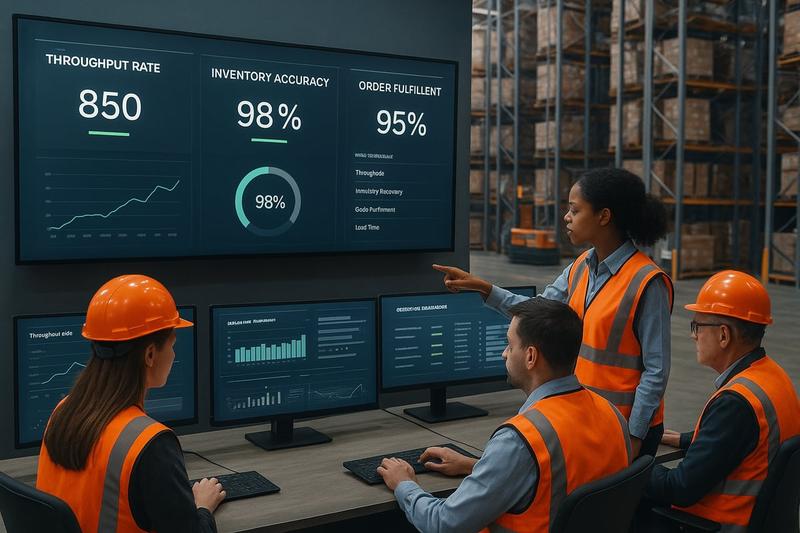
In an optimised storage retrieval system, measuring performance is critical to ensure every investment delivers tangible results. By focusing on clear, actionable key performance indicators (KPIs), warehouse leaders can monitor progress, justify automation, and drive ongoing improvements. Tracking the right KPIs also highlights the direct impact of changes, ensuring your storage retrieval system evolves to meet the demands of 2026.
Essential KPIs to Track
Selecting the right metrics is the foundation of storage retrieval system optimisation. The following KPIs provide visibility into both operational efficiency and long-term value:
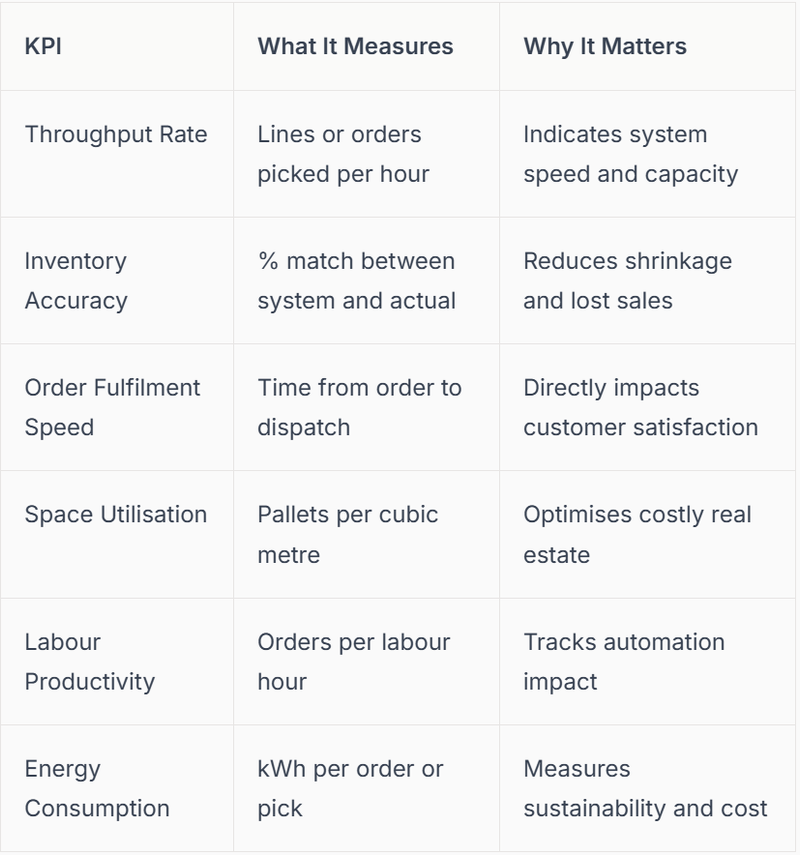
For example, after optimising their storage retrieval system, a warehouse might see throughput increase from 300 to 600 lines per hour, while order accuracy rises from 97% to 99.9%. For more insight into optimising picking performance, explore 7 Essential Order Picking System Options.
Continuous Improvement Strategies
Measuring KPIs is only effective if the results drive action. Leading warehouses foster a culture of continuous improvement, using data to identify gaps and recalibrate processes regularly.
Key strategies include:
- Deploying real-time analytics dashboards for instant visibility.
- Conducting quarterly audits to benchmark against industry leaders.
- Setting clear targets for each KPI, then reviewing progress with the team.
- Running pilot projects to test new technologies or workflows.
- Scheduling regular system recalibrations to adapt to changing needs.
For example, a quarterly audit might reveal a dip in inventory accuracy, prompting a review of picking procedures and retraining staff. By embedding these improvement cycles into daily operations, your storage retrieval system remains agile and competitive as demands shift.
Using Data to Drive Further Optimisation
Continuous monitoring unlocks powerful opportunities to refine your storage retrieval system. Data analytics can reveal bottlenecks, such as a congested picking aisle or slow-moving SKUs occupying prime locations.
Acting on these insights, managers can:
- Identify root causes of inefficiency and address them promptly.
- Implement incremental changes, such as re-slotting inventory based on seasonal demand.
- Test new configurations and measure their impact on KPIs before scaling up.
For instance, data may show certain products spike in demand during winter, suggesting a temporary re-slotting to speed up retrieval. By leveraging data-driven decisions, your storage retrieval system can adapt quickly, maintain high performance, and deliver measurable value year-round.
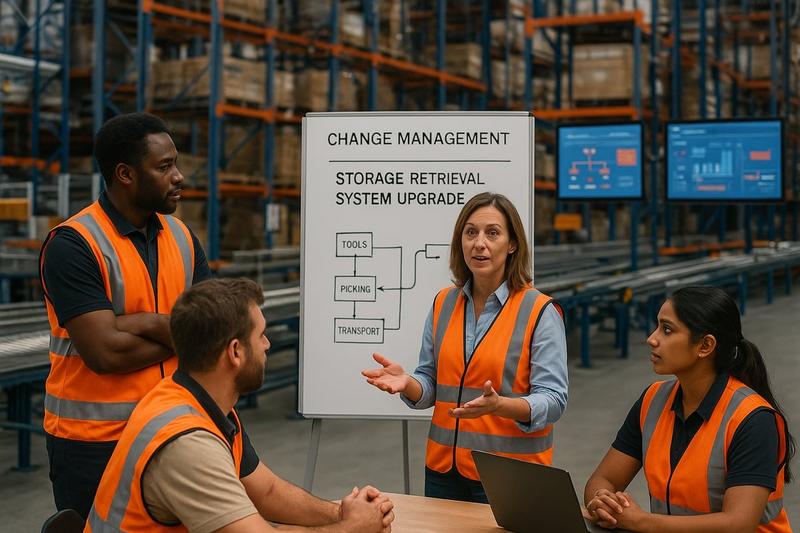
Overcoming Implementation Challenges and Change Management
Adopting a new storage retrieval system can be transformative, yet the journey is rarely straightforward. Many organisations encounter obstacles that can delay or derail optimisation efforts. Understanding and addressing these challenges is essential for a smooth transition and long-term success.
Common Barriers to Optimisation
Warehouses face a range of barriers when implementing or upgrading a storage retrieval system. One frequent challenge is staff resistance to change. Employees may feel uncertain about new technology impacting their roles or daily routines.
Integration with legacy systems is another hurdle. Outdated software or hardware can complicate the process, leading to delays and unexpected costs. Budget constraints and concerns about return on investment also weigh heavily on decision-makers.
Technical complexity and skill gaps can further slow progress. Teams may lack the expertise required to operate or maintain advanced systems, making ongoing support critical. Lessons from failed or delayed projects often highlight the need for thorough planning and stakeholder engagement.
For a deeper look at how automation trends shape these barriers and provide solutions, see 7 Ways Automation is Transforming Logistics. Real-world examples show that addressing these challenges early paves the way for a more resilient storage retrieval system.
Strategies for Successful Change Management
Effective change management is vital to ensure your storage retrieval system delivers the intended benefits. Begin by involving stakeholders early in the process. Open communication helps build trust and clarifies the advantages of new technology.
Comprehensive training and upskilling are essential. Equip your staff with the knowledge they need to operate and maintain the system confidently. Starting with pilot projects allows teams to experience changes on a smaller scale, reducing risk and resistance.
Phased rollouts minimise disruption and provide opportunities to refine processes before full deployment. Regular feedback sessions enable you to address concerns and adjust strategies in real time. These steps create a culture of adaptability, setting the stage for ongoing optimisation of your storage retrieval system.
Partnering with Experts for a Smooth Transition
Collaborating with experienced consultants can make a significant difference when optimising your storage retrieval system. Industry experts bring valuable knowledge of best practices, common pitfalls, and the latest technologies.
After-sales support and regular system maintenance are equally important. Reliable partners ensure that your system remains efficient and any issues are resolved promptly. This partnership helps bridge skill gaps and provides peace of mind during and after implementation.
Success stories from collaborative projects often highlight how expert guidance accelerates adoption and maximises return on investment. By choosing the right partners, you can future-proof your storage retrieval system and maintain a competitive edge in a rapidly evolving industry.
The Future of Storage Retrieval System Optimisation
Looking ahead to 2026 and beyond, the future of storage retrieval system optimisation is being shaped by rapid advances in AI, IoT, and digital twin technology. Autonomous vehicles and robotics will continue to transform the way goods are stored, retrieved, and managed within modern facilities.
AutoStore: Ultra High-Density Storage and Retrieval System
Sustainability is becoming a central priority, with energy-efficient solutions and greener operations gaining momentum. Workforce augmentation, through intelligent automation and user-friendly systems, will help overcome ongoing labour challenges.
Continuous innovation will be essential as market expectations and technologies evolve. According to ASRS Market Growth Projections, the demand for advanced storage retrieval system solutions is expected to accelerate, driven by the need for higher efficiency and resilience. Proactive optimisation will ensure organisations stay ahead in this dynamic landscape.
Optimising your storage retrieval system isn’t just about keeping pace with 2026’s logistics demands—it’s about making sure your operation is ready for whatever comes next. We’ve explored how smarter automation, data-driven insights, and seamless integration can help you streamline processes, boost accuracy, and unlock new efficiencies across your warehouse. If you’re ready to take the next step and see how intelligent automation can truly transform your fulfilment, I invite you to Explore Automation Solutions. Let’s help your business scale with confidence and stay ahead in a rapidly evolving supply chain environment.