

What Is Data Warehouse Automation: Complete Guide 2026
Share on
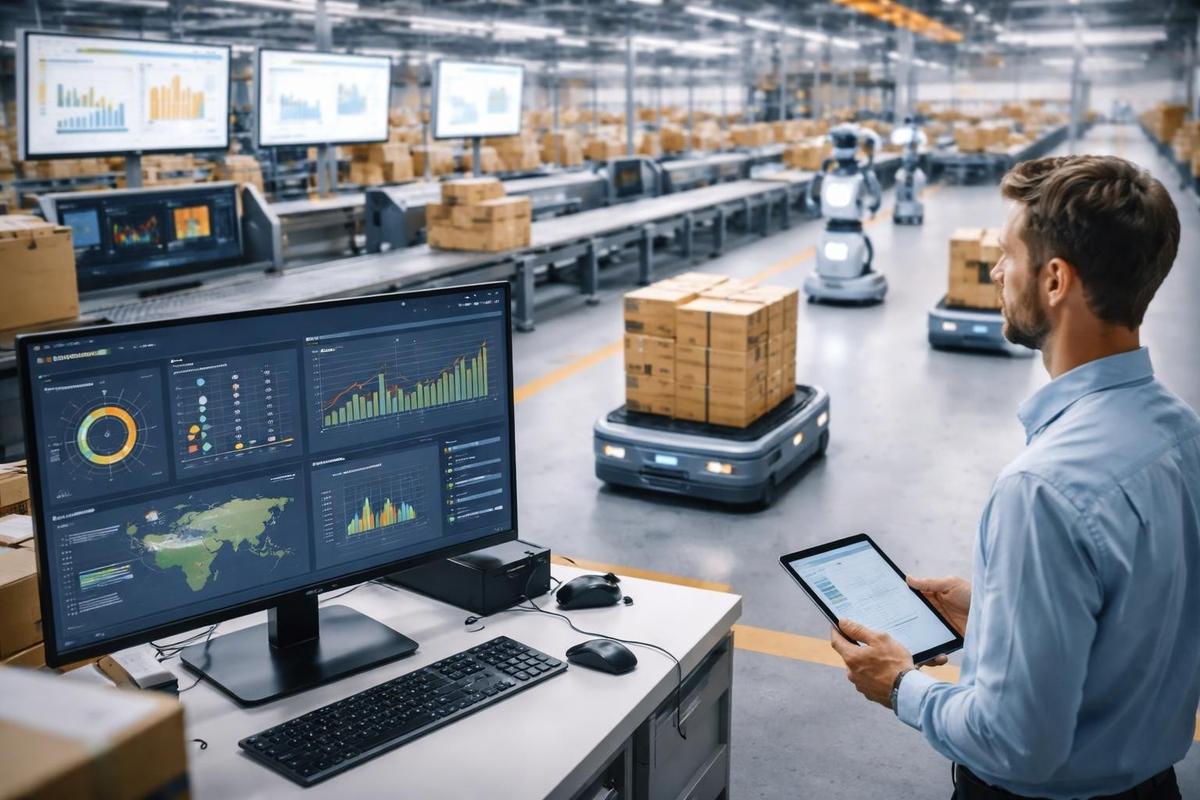
Modern logistics operations generate massive volumes of data every second. From inventory movements and order processing to robotics telemetry and shipping updates, warehouse systems create information streams that must be captured, processed, and analyzed in real time. Understanding what is data warehouse automation has become essential for businesses seeking to transform this raw data into actionable intelligence that drives operational efficiency and competitive advantage in today's fast-paced supply chain environment.
Understanding Data Warehouse Automation Fundamentals
Data warehouse automation refers to the systematic approach of using software tools and methodologies to automate the design, development, deployment, and management of data warehouses with minimal manual intervention. Rather than relying on custom coding and manual processes, data warehouse automation employs intelligent software that generates the necessary code, structures, and workflows automatically.
For warehouse operations, this technology addresses a critical challenge. Traditional data warehousing requires significant technical resources to extract data from multiple systems, transform it into usable formats, and load it into analytical databases. This manual approach creates bottlenecks that delay insights and increase the risk of errors.
The Evolution From Manual to Automated Data Management
The journey of what is data warehouse automation began when organizations recognized that manual data integration consumed excessive time and resources. Early data warehouses required teams of developers to write complex ETL (Extract, Transform, Load) scripts for every data source. Each change to source systems necessitated manual updates throughout the entire pipeline.
Key drivers that accelerated automation adoption include:
- Exponential growth in data volumes from IoT devices and automated systems
- Increasing complexity of modern warehouse technology stacks
- Demand for real-time analytics and decision-making capabilities
- Shortage of skilled data engineers and developers
- Rising costs of maintaining custom-coded solutions
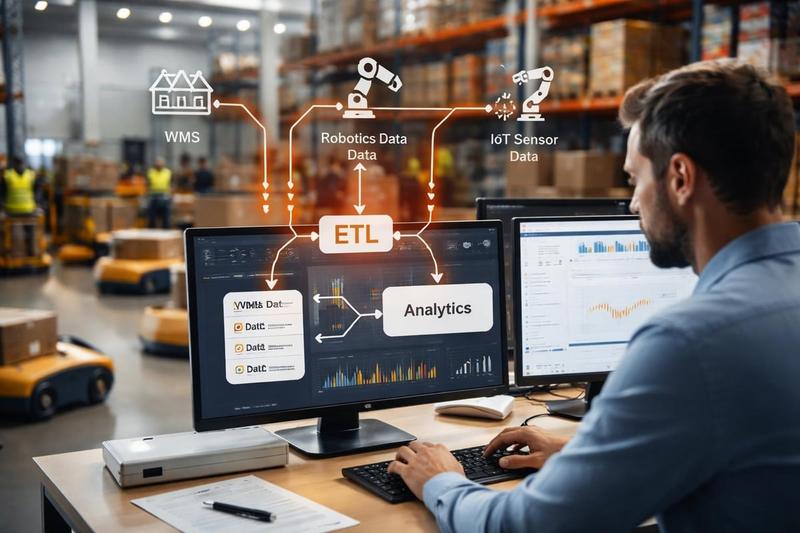
Modern automated solutions generate metadata-driven architectures that adapt dynamically to changes in source systems. When a new robotic system joins your warehouse network, automated platforms detect schema changes and adjust data flows accordingly without manual intervention.
Core Components of Automated Data Warehouse Systems
Understanding what is data warehouse automation requires examining the architecture that makes it possible. These systems comprise several interconnected layers that work together to streamline data operations.
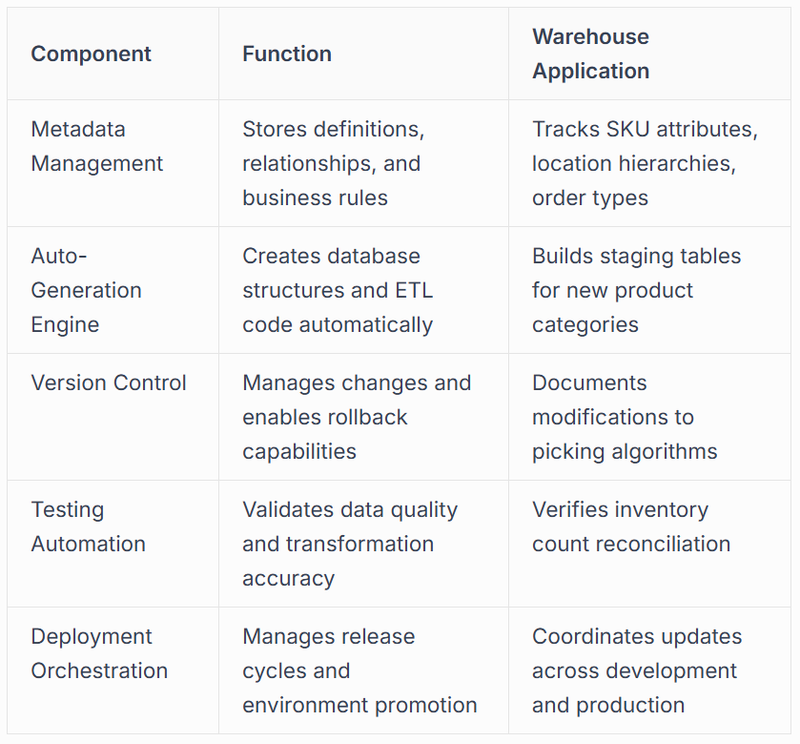
The metadata repository serves as the foundation. It captures information about data sources, business definitions, transformation logic, and quality rules. This single source of truth eliminates the scattered documentation typical of manual approaches.
Automation Across the Data Lifecycle
Data warehouse automation platforms address multiple stages of development and operation. During the design phase, visual modeling tools allow analysts to define data structures without writing SQL. The platform then generates optimized database schemas automatically.
For ongoing operations, automation extends to monitoring and maintenance. The system continuously tracks data quality metrics, identifies anomalies, and can trigger alerts when warehouse data falls outside acceptable parameters. This proactive approach prevents issues from cascading through analytical reports and operational dashboards.
Understanding the difference between systems of record and sources of truth becomes crucial when implementing automated warehouses. Your WMS might be the system of record for orders, but the data warehouse becomes the trusted source of truth for analytics by consolidating and validating information from multiple systems.
Benefits Driving Automation Adoption in Logistics
Organizations implementing data warehouse automation report substantial improvements across multiple dimensions. The business case extends well beyond IT efficiency to impact operational performance directly.
Development velocity increases dramatically. Teams can deploy new data pipelines in days rather than months. When launching a new fulfillment center or integrating an acquisition's warehouse systems, automated platforms accelerate time-to-insight significantly.
Quality and consistency improve substantially. Automated code generation eliminates the human errors inherent in manual development. Standardized patterns ensure that all data transformations follow the same logic and quality checks, creating reliable analytics across the enterprise.
Resource allocation shifts toward higher value activities. Data engineers spend less time writing repetitive ETL code and more time designing analytical models that drive business outcomes. This optimization proves especially valuable given the global shortage of technical talent.
Quantifiable Impact on Warehouse Operations
The advantages translate into measurable business results for logistics operations:
- Faster decision cycles enable dynamic responses to demand fluctuations and operational disruptions
- Reduced infrastructure costs through optimized data processing and storage efficiency
- Enhanced scalability supports business growth without proportional increases in technical staff
- Improved compliance through automated audit trails and data lineage tracking
- Greater agility in adopting new technologies like robotics and AI-driven optimization
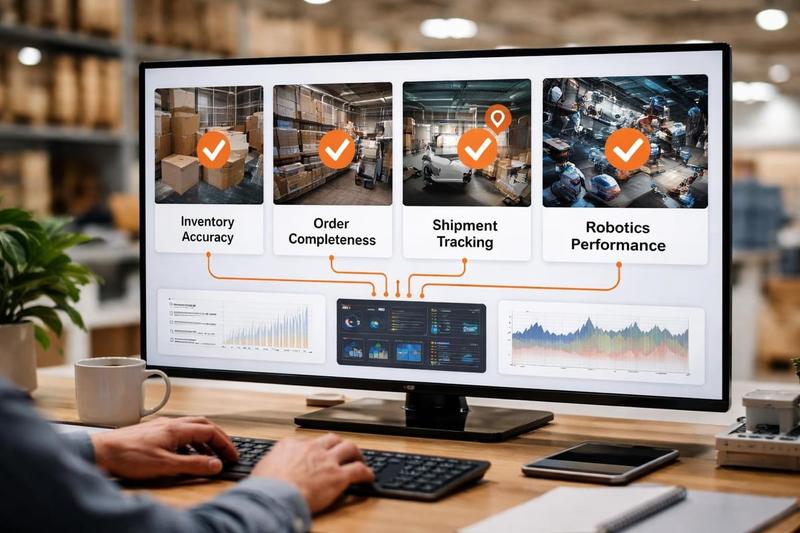
Modern logistics operations increasingly rely on automated storage and retrieval systems that generate detailed performance data. Data warehouse automation makes this telemetry accessible for analysis without overwhelming IT teams with integration projects.
Technical Approaches to Warehouse Data Automation
Several methodologies underpin what is data warehouse automation in practice. Understanding these approaches helps organizations select solutions aligned with their technical architecture and operational requirements.
Metadata-Driven Architecture
This approach uses metadata to define all aspects of the data warehouse environment. Developers work at an abstraction layer above code, defining business logic in visual tools or configuration files. The platform interprets this metadata to generate actual database structures, ETL processes, and documentation automatically.
Changes propagate efficiently through metadata-driven systems. When a source system adds new fields to track sustainability metrics for shipments, updating the metadata definition triggers automatic regeneration of affected components throughout the warehouse.
Template-Based Code Generation
Template-based platforms provide pre-built patterns for common data warehouse tasks. These templates encapsulate best practices for dimensional modeling, slowly changing dimensions, and fact table loading. Developers customize parameters rather than writing code from scratch.
The template library grows over time as teams create reusable patterns for specific logistics scenarios. Loading bill-of-lading data or processing returns information becomes repeatable through standardized templates.
Model-Driven Development
Model-driven approaches emphasize visual representation of data flows and transformations. Business analysts can participate in design using graphical interfaces that abstract technical complexity. The underlying platform translates these models into executable code automatically.
This methodology bridges the gap between business requirements and technical implementation. Warehouse managers can visualize how order data flows from the WMS through various transformations before appearing in operational dashboards.
Implementation Considerations for Logistics Operations
Deploying data warehouse automation requires thoughtful planning aligned with operational realities. Success depends on addressing both technical and organizational factors.
Source system complexity presents the first challenge. Modern warehouses operate dozens of integrated systems including WMS platforms, robotics controllers, transportation management systems, and labor management tools. Each system has unique data structures and update patterns.
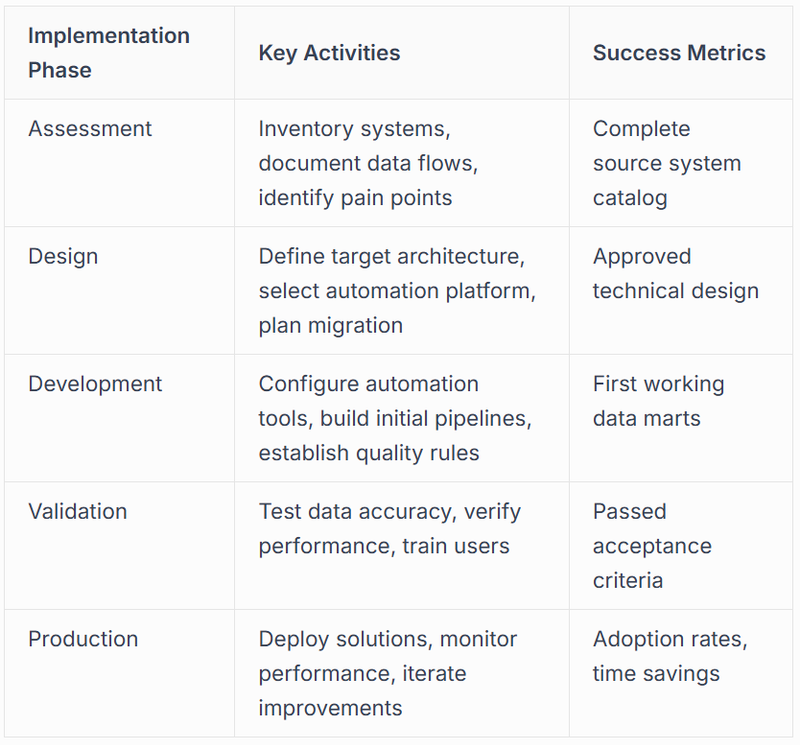
Successful implementations begin with thorough data source assessment. Document existing systems, understand data update frequencies, and identify critical data elements for operations. This foundation enables effective automation configuration.
Integration With Existing Infrastructure
Data warehouse automation platforms must coexist with established technology investments. Most logistics operations cannot replace all systems simultaneously, necessitating hybrid approaches that connect automated and traditional components.
Modern solutions offer extensive connectivity options. Pre-built connectors for common warehouse systems accelerate integration, while API-based architectures enable custom connections to proprietary or legacy platforms. Understanding data pipeline architecture helps teams design robust integration patterns.
The Automate-X GTP Starter Grid demonstrates how modern warehouse automation solutions integrate seamlessly with existing operations. This goods-to-person system generates rich operational data that automated data warehouses can immediately incorporate into analytics, providing visibility into picking productivity, inventory velocity, and system performance without complex integration projects.
Data Quality Management in Automated Environments
Automation amplifies the importance of data quality. When systems generate code and processes automatically, ensuring input data meets quality standards becomes paramount. Poor quality data propagates through automated pipelines faster than manual processes, potentially corrupting analytics across the organization.
Research into automated data quality rule definition shows how modern platforms can detect quality issues proactively. These systems learn normal data patterns and flag anomalies automatically, reducing reliance on manual quality checks.
Establishing Quality Frameworks
Effective data quality management combines preventive and detective controls:
- Schema validation ensures incoming data matches expected structures
- Referential integrity checks verify relationships between related data elements
- Range validation confirms values fall within acceptable parameters
- Completeness testing identifies missing required information
- Timeliness monitoring detects delayed or stale data feeds
For warehouse operations, quality rules reflect operational realities. Inventory quantities cannot be negative. Order dates cannot be in the future. Location codes must exist in the facility master data. Automated platforms enforce these rules consistently across all data pipelines.
Advanced Capabilities Transforming Warehouse Analytics
Modern data warehouse automation extends beyond basic ETL processes to enable sophisticated analytical capabilities that drive operational excellence.
Real-time data processing has become standard in advanced platforms. Rather than batch updates that refresh data overnight, streaming architectures incorporate changes as they occur. This immediacy enables dynamic slotting optimization, real-time inventory visibility, and immediate response to operational exceptions.
Machine learning integration represents another frontier. Automated platforms can incorporate predictive models that forecast demand, optimize putaway strategies, or identify quality issues before they impact customers. The automation framework handles the complex data preparation these models require.
Self-Service Analytics Enablement
By automating data preparation and ensuring quality, these platforms democratize analytics across organizations. Warehouse managers access pre-built dashboards without waiting for IT support. Operations teams create ad-hoc queries using intuitive interfaces that shield them from underlying complexity.
This accessibility transforms decision-making. When front-line supervisors can analyze picking productivity by zone, shift, and worker in real time, they identify improvement opportunities immediately rather than waiting for weekly reports.
Governance and Compliance Benefits
Automated data warehouses provide robust governance capabilities that manual approaches struggle to achieve at scale. Complete data lineage tracking shows exactly how each analytical result was calculated, which source systems contributed data, and what transformations were applied.
This transparency proves invaluable for regulatory compliance in sectors like pharmaceuticals and food and beverage. When auditors question inventory valuations or lot traceability, automated systems provide complete documentation of data flows and calculations.
Version control extends to data structures and business logic. Every change is documented with who made it, when, and why. This audit trail supports compliance requirements while enabling teams to understand how the warehouse evolved over time.
Change impact analysis becomes automated. Before modifying a data transformation, the platform identifies all downstream reports and dashboards that might be affected, preventing unexpected disruptions to critical analytics.
Future Directions in Warehouse Data Automation
The trajectory of what is data warehouse automation points toward increasingly intelligent, autonomous systems. Artificial intelligence will drive the next generation of capabilities, moving from automated execution to automated decision-making.
Adaptive learning systems will optimize themselves based on usage patterns. If analysts frequently join inventory data with order details, the platform might automatically create materialized views to accelerate those queries. Research into data context-informed data wrangling shows how systems can learn from user behavior to automate complex data preparation tasks.
Natural language interfaces will make data access even more intuitive. Warehouse managers will ask questions in plain English and receive immediate analytical responses, with the automation platform translating queries into optimized database operations behind the scenes.
Integration with edge computing will enable distributed analytics architectures. Rather than centralizing all data processing, intelligent systems will analyze data at the warehouse edge where it's generated, sending only aggregated insights to central repositories.
The Role of Cloud Architecture
Cloud-native data warehouse automation platforms offer unprecedented scalability and flexibility. Organizations can provision resources dynamically based on processing demands, scaling up during peak periods and down during quiet times to optimize costs.
Multi-cloud and hybrid approaches provide operational resilience. Critical warehouse data can be replicated across cloud providers and on-premises systems, ensuring analytics remain available even during infrastructure disruptions.
Selecting the Right Automation Platform
Choosing an appropriate solution requires evaluating capabilities against specific operational requirements. No single platform suits all scenarios, making careful assessment essential.
Core evaluation criteria include:
- Connectivity options for your specific warehouse systems and data sources
- Scalability to handle current and projected data volumes
- Support for required data modeling approaches (dimensional, data vault, etc.)
- Quality and breadth of automation capabilities across the development lifecycle
- User interface accessibility for different skill levels
- Total cost of ownership including licensing, infrastructure, and support
Request proof-of-concept implementations that address actual use cases from your operations. Building a working pipeline that loads order data and generates operational reports provides more insight than generic demonstrations.
Assess vendor viability and commitment. Data warehouse platforms represent long-term investments, making vendor stability and product roadmap important considerations. Explore their experience in logistics and supply chain environments specifically.
Organizational Change Management
Technology alone doesn't ensure successful automation adoption. Organizations must address cultural and process changes that accompany new ways of working with data.
Skill development represents a critical investment. While automation reduces coding requirements, teams still need to understand data modeling concepts, business logic definition, and analytical design principles. Training programs should prepare staff for new roles focused on insight generation rather than code maintenance.
Stakeholder engagement throughout implementation builds support and ensures solutions meet actual business needs. Involve warehouse managers, operations analysts, and IT teams in design decisions to create buy-in and gather diverse perspectives.
Establish clear governance frameworks that define responsibilities for data ownership, quality management, and change approval. Learning from successful implementations demonstrates how comprehensive planning accelerates value realization.
Integration With Broader Automation Strategies
Data warehouse automation shouldn't exist in isolation from physical warehouse automation initiatives. The greatest value emerges when data automation and operational automation work in concert.
Modern robotics and automated material handling systems generate vast telemetry streams. Automated data warehouses make this information accessible for optimization. Engineers analyze robot performance data to fine-tune algorithms. Operations managers track automation utilization to justify expansion investments.
The feedback loop becomes powerful. Analytics from automated data warehouses inform decisions about physical automation deployment. Performance data from new automation drives further analytical sophistication. This virtuous cycle accelerates operational improvement across both dimensions.
Organizations exploring warehouse automation should consider data capabilities from the outset. The comprehensive approach to warehouse automation recognizes that physical and digital transformation must advance together to achieve maximum impact.
Understanding what is data warehouse automation empowers logistics organizations to transform raw operational data into strategic assets that drive competitive advantage. The technology has matured from experimental to essential, enabling unprecedented analytical capabilities without proportional increases in technical complexity or cost. Whether you're operating established distribution centers or planning new fulfillment facilities, Automate-X combines intelligent warehouse automation solutions with the data infrastructure needed to optimize operations, improve productivity, and enable scalable growth across your logistics network.