

7 Key Benefits of ASRS Automated Storage Retrieval System 2026
Share on
Warehouse automation is accelerating rapidly as 2026 approaches, with businesses across New Zealand and Australia seeking smarter ways to manage inventory and fulfilment. The need for increased efficiency, accuracy, and adaptability is reshaping how warehouses operate.
The asrs automated storage retrieval system is at the forefront of this transformation, delivering measurable improvements across logistics and supply chain operations. These systems are helping organisations stay competitive in a fast-evolving market.
In this article, we will explore the seven key benefits of asrs automated storage retrieval system technology. From maximising efficiency and space to enhancing data-driven decision making, discover how ASRS solutions are driving the future of warehouse management.
What is an ASRS Automated Storage Retrieval System?
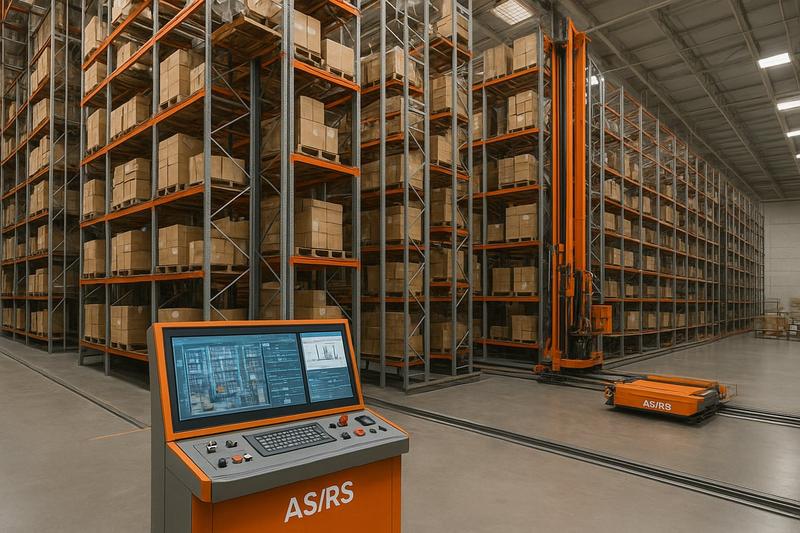
The asrs automated storage retrieval system is a cutting-edge solution transforming warehouse operations through automation. At its core, this system streamlines how goods are stored and retrieved, reducing manual handling and optimising space. The main components include robust storage racks, automated cranes, shuttles or robots, and integrated warehouse management software. These elements work together to manage inventory with high precision.
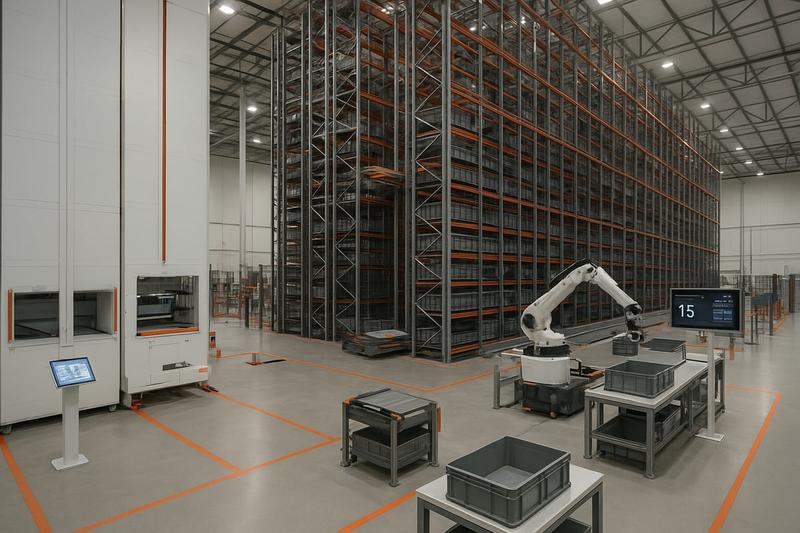
There are several types of asrs automated storage retrieval system configurations. Vertical lift modules and horizontal or vertical carousels are ideal for compact, high-density storage. Mini-load cranes, shuttle systems, and cube-based robotics suit higher throughput environments. Autonomous mobile robots (AMRs) and automated guided vehicles (AGVs) add flexible transport and picking capabilities. For a deeper dive into system types and core technology, see this Automated Storage and Retrieval System Overview.
Definition and Core Components
The asrs automated storage retrieval system operates on the goods-to-person principle. Instead of staff walking long distances, automated machinery delivers items directly to ergonomic pick stations. This process begins as goods arrive and are scanned into the system. The software assigns storage locations and directs automated cranes or shuttles to transport items into high-density racks. When an order is placed, the system retrieves the correct item and presents it to the operator, ready for picking.
Integration with warehouse management systems (WMS) is essential. Real-time data ensures accurate inventory tracking and rapid order fulfilment. For example, a high-throughput e-commerce warehouse may use shuttle-based asrs automated storage retrieval system setups to process thousands of orders daily, maintaining speed and accuracy.
How ASRS Works
In 2026, the asrs automated storage retrieval system is rapidly gaining traction across New Zealand, Australia, and global markets. Adoption rates have surged as businesses seek solutions that address labour shortages and rising operational costs. Competitors report strong demand for modular, scalable asrs systems, especially in e-commerce, pharmaceuticals, and cold storage.
Future-focused features are shaping the asrs automated storage retrieval system landscape. AI-driven optimisation, real-time analytics, and seamless robotics integration are now standard. These advancements enable warehouses to run smarter, adapt quickly to changing demand, and achieve higher productivity. As more industries embrace automation, the asrs automated storage retrieval system is becoming a foundation for next-generation supply chain success.
7 Key Benefits of ASRS Automated Storage Retrieval System 2026
The asrs automated storage retrieval system is driving a new era of warehouse efficiency. Businesses adopting this technology in 2026 are seeing significant improvements across every dimension of their operations. Below, we explore the seven most important benefits that make the asrs automated storage retrieval system a must-have for modern logistics and supply chain management.
1. Maximised Space Utilisation and Warehouse Footprint Reduction
One of the most immediate advantages of the asrs automated storage retrieval system is its ability to increase storage density. By enabling vertical storage and compact racking, ASRS solutions make it possible to store significantly more inventory within the same floor area.
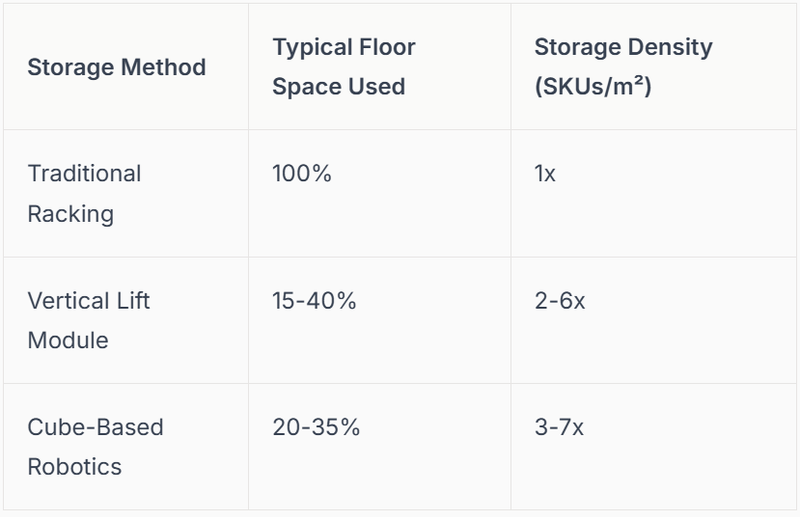
Traditional racking systems often require wide aisles and manual access, which wastes valuable space. In contrast, vertical lift modules and cube-based robotics can save up to 85 percent of floor space compared to conventional setups. This is particularly valuable for urban warehouses where expansion is costly or restricted.
Table: Space Savings Comparison
In a real-world example, a distribution centre implemented an asrs automated storage retrieval system and managed to fit 40 percent more SKUs within the same building. The modular, scalable nature of ASRS allows facilities to adapt to unique constraints, whether that’s ceiling height or irregular layouts.
Case studies show that floor space reductions of 60 to 85 percent are common, especially when switching from manual racking to vertical or robotic ASRS. This not only delays or eliminates the need for facility expansion but also makes cold storage, pharmaceutical, and FMCG operations far more cost-effective.
For urban locations, the asrs automated storage retrieval system allows businesses to operate closer to customers, reducing last-mile delivery costs. With optimised space, even highly regulated environments like pharma and food storage can maintain compliance and efficiency.
2. Increased Throughput and Operational Efficiency
The asrs automated storage retrieval system dramatically raises throughput rates by automating goods-to-person picking. Rather than having staff walk long distances, products are delivered directly to ergonomic workstations, slashing travel time and reducing bottlenecks.
Shuttle systems and vertical buffer modules can achieve pick rates of up to 700 lines per hour. When combined with batch picking strategies, these systems can process multiple orders simultaneously, further boosting speed. Seamless integration with conveyors and remote pick stations ensures a continuous flow of goods, supporting high-volume fulfilment.
For instance, an e-commerce warehouse using an asrs automated storage retrieval system reduced average pick times by 60 percent. This enabled reliable same-day fulfilment, even during seasonal peaks. The flexibility to add more robots or shuttles means operations can scale output on demand without disrupting existing workflows.
Process bottlenecks are minimised, and labour productivity soars, since staff focus on value-added tasks rather than manual retrieval. By automating replenishment and order picking, ASRS delivers measurable improvements in lead time and service levels.
Additionally, integrating the asrs automated storage retrieval system with real-time software ensures that replenishment and picking can occur simultaneously, preventing delays. These operational efficiencies are a key reason many logistics leaders are prioritising ASRS investments.
3. Enhanced Inventory Accuracy and Order Picking Precision
Accuracy is a core strength of the asrs automated storage retrieval system. Automated storage and retrieval eliminates the majority of human errors associated with manual picking and stock handling.
With real-time integration to warehouse management software, inventory updates are instant and precise. This visibility helps prevent stockouts, overstocking, and mispicks. Studies show that the asrs automated storage retrieval system can reduce picking errors by up to 99 percent, a critical advantage for industries with strict traceability requirements.
Many ASRS solutions use light-directed picking, barcode scanning, or RFID verification at every step. This ensures each item is tracked from storage to dispatch. For example, a third-party logistics (3PL) provider implemented an asrs automated storage retrieval system and saw a dramatic reduction in returns due to incorrect orders.
Industries such as pharmaceuticals and food manufacturing rely on this level of accuracy for compliance and quality control. Customers experience fewer delays and errors, leading to higher satisfaction rates and stronger brand reputation.
The asrs automated storage retrieval system supports detailed audit trails, making compliance audits easier and error resolution faster. With fewer mistakes and less manual intervention, businesses can trust their inventory data and focus on growth.
4. Improved Workplace Safety and Ergonomics
Workplace safety is front of mind for every warehouse manager, and the asrs automated storage retrieval system plays a vital role in reducing risks. By automating repetitive, physically demanding tasks, ASRS removes the need for manual lifting, ladder climbing, and long walks.
Ergonomically designed pick stations deliver goods at waist height, minimising strain and repetitive injuries. This design reduces lost-time incidents and workers’ compensation claims, creating a safer environment for all staff.
For example, a manufacturing facility that deployed an asrs automated storage retrieval system reported a marked decrease in workplace injuries. Employees no longer needed to reach high shelves or carry heavy loads, as automated cranes and tray extractors handled these tasks.
ASRS systems are also ideal for handling hazardous or awkwardly shaped items, further mitigating risks. Compliance with workplace health and safety regulations is easier to achieve, supporting a culture of safety.
Beyond physical safety, the asrs automated storage retrieval system improves staff morale. Employees benefit from less physically taxing roles and a more comfortable, modern work environment. This leads to higher retention, reduced turnover costs, and a more engaged workforce.
5. Scalability and Future-Proofing Warehouse Operations
The asrs automated storage retrieval system is inherently modular, making it easy to scale operations as business needs change. Whether you need to add new aisles, robots, or workstations, ASRS can expand without major facility overhauls.
As SKU counts grow or product lines shift, the asrs automated storage retrieval system adapts seamlessly. Retailers, for instance, can handle Black Friday surges by temporarily increasing robotic resources, without the need for expensive building expansions.
Integration with robotics and AI means the asrs automated storage retrieval system is ready for future technology upgrades. This flexibility supports omnichannel fulfilment models, B2B, and B2C requirements, ensuring your warehouse remains competitive.
Compared to manual systems, scaling with ASRS is more cost-effective and less disruptive. The investment is protected as business evolves, delivering a lower total cost of ownership over time.
A key benefit is investment longevity. With the asrs automated storage retrieval system, you can be confident that your warehouse infrastructure will meet both current and future demands. This future-proofing is essential in the fast-changing world of logistics and supply chain management.
6. Significant Cost Savings and ROI Acceleration
Cost reduction is a major driver behind the adoption of the asrs automated storage retrieval system. Automation lowers labour costs by redeploying staff from repetitive tasks to higher-value roles. Real-time stock control reduces inventory holding costs and minimises shrinkage, damage, and obsolescence.
Energy-efficient systems such as vertical buffer modules further cut operational expenses. Distribution centres have reported achieving return on investment in under three years after implementing an asrs automated storage retrieval system.
A major benefit is the reduction in facility rental and expansion costs, thanks to higher storage density. Quantitative data from Warehouse Automation Statistics 2026 shows average cost savings of 20 to 40 percent after deploying ASRS, making it a financially compelling choice.
Additional savings come from fewer errors, lower handling risks, and optimised inventory levels. The asrs automated storage retrieval system delivers a measurable, sustainable impact on the bottom line, supporting growth and resilience in competitive markets.
With these cost savings, businesses can reinvest in innovation and customer service, further strengthening their position in the marketplace.
7. Real-Time Data, Analytics, and Intelligent Decision Making
Modern warehouses depend on data-driven decision making, and the asrs automated storage retrieval system excels in this area. Advanced software provides actionable insights into stock levels, order trends, and operational bottlenecks.
Integration with warehouse management systems (WMS) and enterprise resource planning (ERP) platforms enables end-to-end visibility. Managers can access real-time dashboards, set alerts, and track KPIs with ease.
Predictive analytics help forecast demand, optimise replenishment, and reduce stockouts. For example, an FMCG company used an asrs automated storage retrieval system to boost inventory turns and cut lost sales due to out-of-stocks.
The asrs automated storage retrieval system also streamlines compliance and audit reporting, thanks to customisable data exports and traceability features. With accurate, timely information at their fingertips, leaders can make smarter decisions and respond rapidly to changing market conditions.
Empowering teams with this level of intelligence transforms warehouse management from reactive to proactive, setting the stage for ongoing improvement and innovation.
ASRS Solutions for NZ & Australian Logistics: Local Integration and Expertise
For businesses in New Zealand and Australia, choosing the right asrs automated storage retrieval system is crucial for optimising warehouse performance and staying competitive. Automate-X stands out as a leading provider, delivering advanced solutions specifically designed for local logistics and supply chain needs.
Their offerings include goods-to-person systems, 4-way shuttle asrs automated storage retrieval system configurations, seamless conveyor integration, robotics, and powerful warehouse management software. These systems are tailored to meet the demands of logistics providers, 3PLs, e-commerce, FMCG, pharmaceutical, cold storage, and manufacturing sectors.
Automate-X’s end-to-end project delivery ensures each implementation is scalable, flexible, and fully compliant with NZ and Australian standards. Local support teams provide expert guidance, making integration smooth and reliable.
Businesses have seen significant improvements in space utilisation, order accuracy, and cost savings, future-proofing their operations for evolving market demands. For more details on successful industry implementations, explore ASRS Warehouse Applications.
Pricing is customised based on individual project requirements, so a professional consultation is recommended to determine the best fit for your facility.
Choosing the Right ASRS System for Your Business Needs
Selecting the ideal asrs automated storage retrieval system requires a close look at your unique warehouse needs. Start by assessing inventory profile, order throughput, available space, growth projections, and industry compliance. Each of these factors will influence which ASRS technology best aligns with your operational goals.
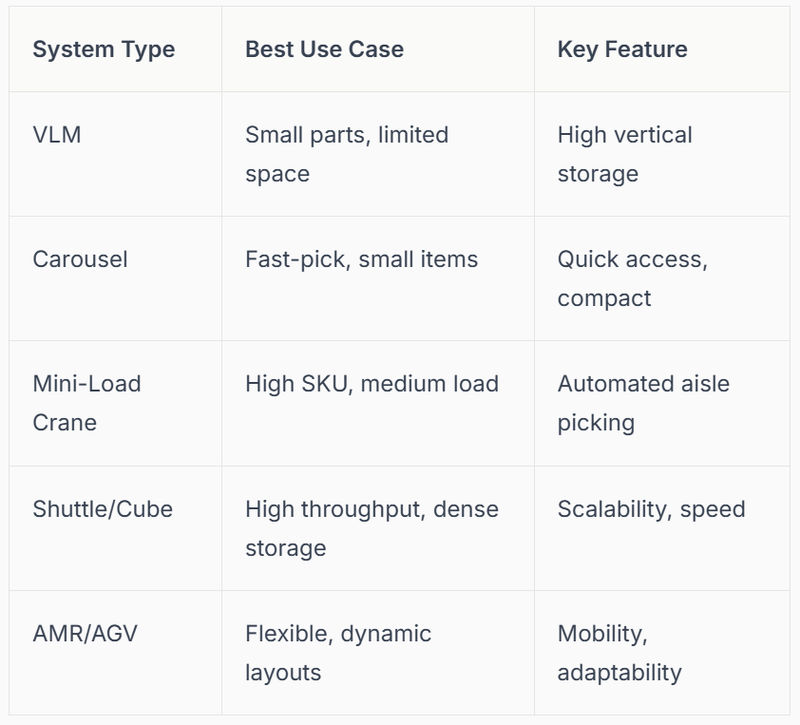
There are several ASRS types to consider, each suited to different applications:
- Vertical Lift Modules (VLMs): Great for maximising height in limited footprints.
- Horizontal/Vertical Carousels: Efficient for small parts and fast-moving items.
- Mini-Load Cranes: Ideal for high SKU counts and medium loads.
- Shuttle/Cube-Based Systems: Perfect for dense storage and rapid fulfilment.
- AMRs/AGVs: Provide flexibility for dynamic and evolving environments.
To help visualise these options, see the table below:
Matching the right asrs automated storage retrieval system to your business means looking beyond hardware. Software integration is critical. Ensure your system connects seamlessly with WMS or ERP platforms for live data visibility and process optimisation. Assess the ROI and total cost of ownership carefully, considering both immediate and long-term benefits. For a deeper dive into picking accuracy and automation, review Automated Warehouse Picking Systems.
Partnering with an experienced integrator is essential for a smooth ASRS rollout. Look for providers who offer tailored designs and robust support. As you future-proof your warehouse, consider trends like AI-driven optimisation, robotics, and sustainable solutions, as highlighted in the ASRS Market Growth Forecast. By carefully evaluating your requirements, the right asrs automated storage retrieval system can deliver efficiency, scalability, and a competitive edge.
As you look to future proof your warehouse and unlock smarter, more efficient operations, embracing ASRS technology is a strategic move. We've explored how automated storage and retrieval can maximise space, accuracy, safety, and cost savings—all crucial for keeping pace in New Zealand and Australia's evolving logistics landscape. If you're ready to experience these benefits firsthand and want expert guidance tailored to your unique needs, let's take the next step together.
Automate Your Warehouse
and discover how intelligent automation can drive your business forward.