

Conveyor Solutions for Modern Warehouse Automation
Share on
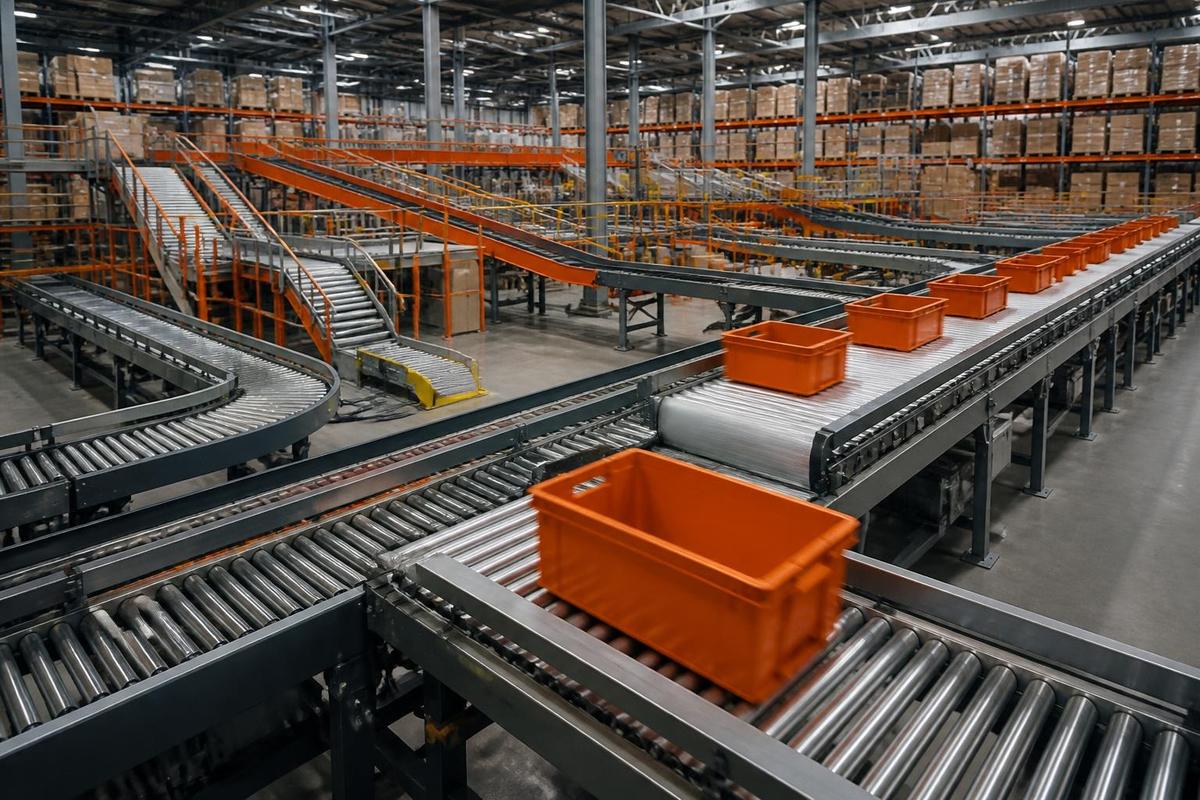
Modern warehouse operations demand efficient, reliable material handling systems that can scale with business growth while maintaining operational excellence. Conveyor solutions have evolved from simple belt systems into sophisticated automated networks that integrate with warehouse management software, robotics, and intelligent routing algorithms. These systems form the backbone of high-performance distribution centers, enabling logistics providers, e-commerce fulfillment operations, and manufacturing facilities to move products faster, safer, and with greater precision than ever before. Understanding the capabilities, design considerations, and implementation strategies for conveyor solutions is essential for any business seeking to optimize warehouse productivity and prepare for future growth.
Understanding Modern Conveyor Solutions
Today's conveyor solutions represent a significant advancement over traditional material handling equipment. These systems incorporate sensors, control systems, and network connectivity to create intelligent transport networks throughout warehouse environments.
Advanced conveyor solutions utilize multiple technologies working in concert. Powered roller conveyors offer precise control over product movement with individual zone activation. Belt conveyors handle diverse product sizes and weights across varying distances. Accumulation systems create buffering capacity, allowing operations to manage flow rates between different processing zones. Overhead conveyors maximize floor space utilization by transporting products above work areas.
The integration capabilities of modern systems distinguish them from legacy equipment. Contemporary conveyor solutions connect seamlessly with warehouse management systems, order processing software, and automated storage and retrieval systems. This connectivity enables real-time tracking, dynamic routing decisions, and performance monitoring across the entire material handling network.
Key Components of Comprehensive Systems
Well-designed conveyor solutions incorporate several critical elements that work together to ensure optimal performance:
- Sortation systems that direct products to specific destinations based on order requirements
- Merge and divert mechanisms that manage product flow from multiple input sources
- Quality control integration points where inspection and verification occur
- Accumulation zones that buffer products between processes with different cycle times
- Safety systems including emergency stops, guards, and personnel detection
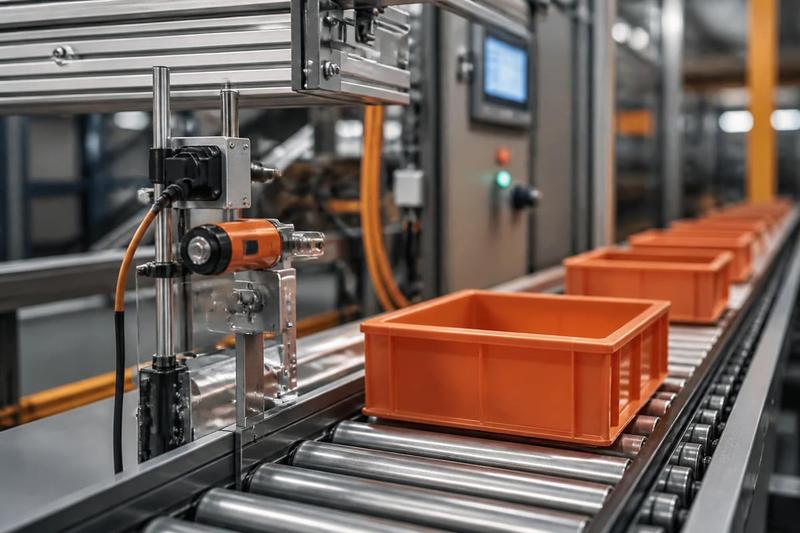
Control architecture represents the intelligence behind physical conveyor components. Programmable logic controllers coordinate zone activation, manage product spacing, and optimize throughput. Variable frequency drives adjust motor speeds to match operational demands, reducing energy consumption while extending equipment lifespan.
Application-Specific Design Considerations
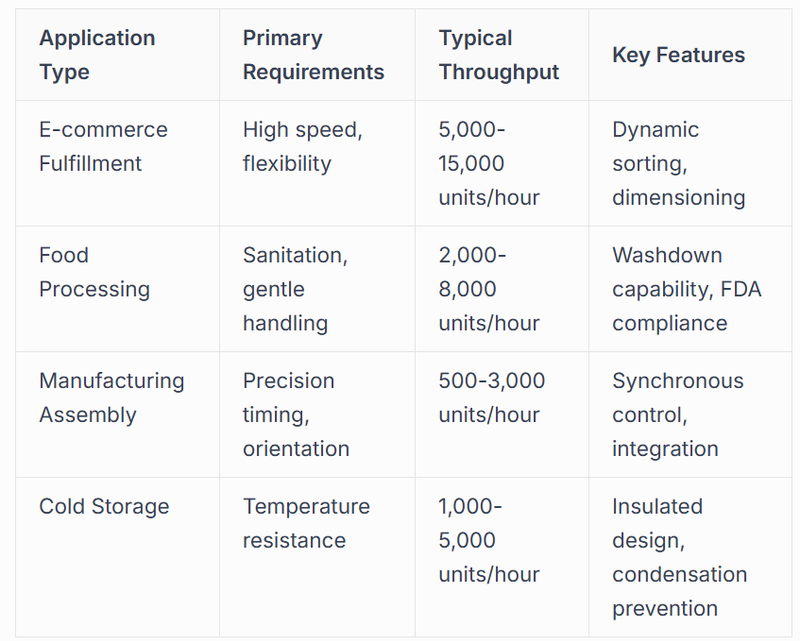
Different warehouse operations require distinct conveyor solution approaches based on product characteristics, throughput requirements, and facility constraints. Understanding these variables enables proper system specification and design.
E-commerce and Fulfillment Operations
E-commerce fulfillment centers process diverse product types with varying dimensions and weights. Automated warehouse picking processes rely heavily on conveyor systems to transport products between storage locations and packing stations. These environments benefit from flexible conveyor solutions that accommodate seasonal volume fluctuations and changing product mixes.
Conveyor solutions for fulfillment operations typically incorporate:
- High-speed sortation systems capable of processing thousands of units per hour
- Dynamic routing algorithms that optimize path selection based on current conditions
- Dimensioning and weighing stations integrated into the conveyor flow
- Pack station feed systems that present products to workers ergonomically
- Returns processing conveyors that route products back to appropriate storage locations
The food processing industry outlook reveals increasing demand for sanitary conveyor designs that meet strict hygiene standards while maintaining high throughput levels. These specialized systems use stainless steel construction, tool-free disassembly features, and washdown-rated components.
Manufacturing and Production Environments
Manufacturing facilities utilize conveyor solutions to move work-in-process materials between production stages. These systems must synchronize with assembly line timing, maintain product orientation, and often interface with robotic work cells. Manufacturing conveyor implementations focus on precision timing and reliable product presentation.
Production conveyor solutions frequently incorporate:
- Assembly line conveyors with precise speed control for consistent work cycles
- Pallet handling systems that move heavy loads between manufacturing cells
- Work-in-process accumulation to decouple sequential operations
- Quality inspection stations integrated into the material flow
- Part presentation systems that orient components for automated or manual assembly
Integration with Warehouse Automation Systems
Conveyor solutions achieve maximum value when integrated with broader warehouse automation infrastructure. This integration creates cohesive material handling networks that optimize entire operational workflows rather than isolated processes.
Software Integration Capabilities
Modern conveyor solutions communicate bidirectionally with warehouse management systems, providing real-time visibility into product location and movement. This connectivity enables advanced functionality including predictive routing, congestion management, and automated exception handling. The automated warehouse management system serves as the orchestration layer that coordinates conveyor operations with other automation elements.
Software integration delivers measurable operational benefits. Real-time tracking reduces search time for misplaced products. Automated routing decisions optimize path selection based on current system state rather than static rules. Performance analytics identify bottlenecks and inform continuous improvement initiatives.
Robotics and AGV Coordination
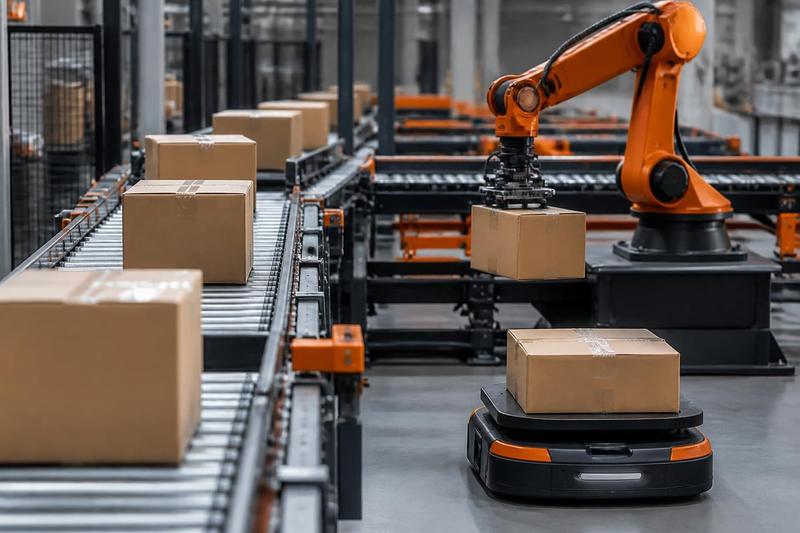
Conveyor solutions increasingly work alongside robotic systems and automated guided vehicles to create flexible material handling networks. These multi-technology approaches combine the continuous flow advantages of conveyors with the flexibility and scalability of mobile robotics.
Integration patterns include:
- Conveyor-to-robot handoffs where products transfer from fixed transport to flexible handling
- AGV dock interfaces where mobile vehicles load or unload to conveyor systems
- Collaborative zones where conveyors, robots, and human workers share workspace
- Buffer management using conveyors to stage products for robotic processing
- Returns circuits that route exception items to appropriate handling stations
Research into online multi-agent pathfinding for conveyor routing demonstrates the sophisticated algorithms now available to optimize product flow through complex networks. These approaches ensure order-contiguous arrivals while maximizing system throughput.
Performance Optimization Strategies
Maximizing conveyor solution effectiveness requires attention to design, operation, and maintenance practices. Strategic optimization approaches deliver sustained performance improvements and extended equipment life.
Throughput Enhancement Methods
Achieving optimal throughput involves balancing multiple factors across the conveyor network. System designers must consider not only maximum conveyor speed but also accumulation capacity, merge efficiency, and downstream processing capability.
Proven throughput optimization techniques include:
- Implementing dynamic speed control that adjusts based on product density
- Creating adequate buffering between processes with different cycle times
- Utilizing predictive algorithms to preposition products for upcoming orders
- Designing merge points with sufficient capacity to prevent upstream congestion
- Installing multiple parallel lanes for high-volume routing requirements
Case studies demonstrate the practical impact of these approaches. Conveyor implementations across various industries show throughput improvements ranging from 25% to 300% compared to manual handling or legacy systems. The specific gains depend on application characteristics and baseline conditions.
Energy Efficiency Considerations
Modern conveyor solutions incorporate energy-saving technologies that reduce operational costs while supporting sustainability objectives. These features become increasingly important as warehouse operations scale and energy costs rise.
Energy optimization approaches include variable frequency drives that match motor output to actual demand, zone control systems that activate only required conveyor sections, and regenerative braking that captures kinetic energy during deceleration. LED lighting integrated into conveyor structures reduces electrical consumption compared to traditional warehouse lighting.
Maintenance practices significantly influence energy consumption. Properly tensioned belts reduce motor load. Clean rollers minimize friction. Aligned components prevent energy waste from unnecessary resistance. Regular preventive maintenance programs ensure conveyor solutions maintain design efficiency throughout their operational life.
Design and Implementation Process
Successful conveyor solution projects follow structured approaches that align system capabilities with operational requirements while managing cost, timeline, and risk considerations.
Requirements Definition and System Sizing
The foundation of effective conveyor design lies in accurate requirements definition. This process examines current operational characteristics, projected growth trajectories, and business constraints to establish system specifications.
Critical parameters to define include:
- Product characteristics: dimensions, weights, packaging types, fragility requirements
- Throughput requirements: peak rates, average volumes, seasonal variations
- Facility constraints: available space, floor loading limits, ceiling heights
- Integration needs: existing systems, future expansion plans, software requirements
- Operational patterns: shift schedules, product mix changes, special handling needs
Many businesses in Australia and New Zealand begin their automation journey with solutions like the Automate-X GTP Starter Grid, which offers a scalable approach to warehouse automation that can integrate with expanded conveyor solutions as operations grow. This phased implementation strategy reduces initial investment while establishing the foundation for comprehensive automation.
Installation Planning and Execution
Professional installation ensures conveyor solutions achieve design performance and reliability. Experienced integrators manage the complex coordination required between mechanical installation, electrical work, control programming, and facility modifications.
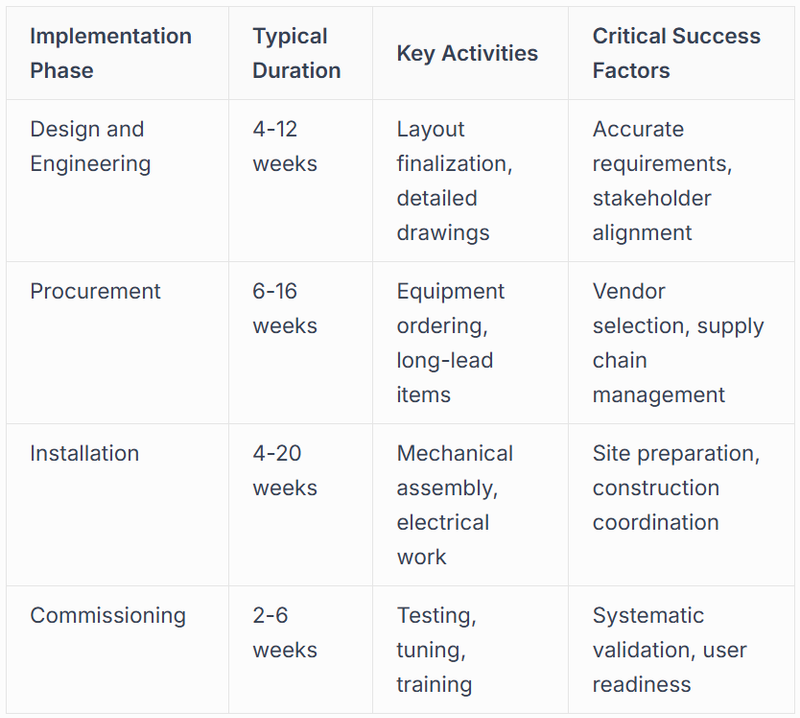
Examples from large-scale distribution implementations illustrate the planning rigor required for complex conveyor projects. These installations often span hundreds of thousands of square feet and integrate dozens of subsystems into cohesive material handling networks.
Maintenance and Lifecycle Management
Conveyor solutions represent significant capital investments that require ongoing attention to deliver expected returns over multi-year operational lifespans. Comprehensive maintenance programs protect this investment while ensuring consistent performance.
Preventive Maintenance Fundamentals
Structured preventive maintenance prevents unexpected failures, extends equipment life, and maintains optimal performance. Well-designed programs balance maintenance activity frequency with operational disruption, performing tasks during planned downtime rather than emergency shutdowns.
Essential maintenance activities include:
- Daily inspections covering safety systems, unusual noises, visible damage
- Weekly tasks including lubrication, belt tension checks, sensor verification
- Monthly procedures such as alignment checks, wear component inspection, control system diagnostics
- Quarterly reviews of performance data, energy consumption, exception rates
- Annual comprehensive inspections with detailed component assessment and upgrade evaluation
Advanced facilities implement predictive maintenance approaches using sensors and analytics to identify developing issues before failure occurs. Vibration monitoring detects bearing wear. Thermal imaging reveals electrical connection problems. Current monitoring identifies motor degradation. These technologies shift maintenance from time-based to condition-based scheduling.
Continuous Improvement and System Evolution
Warehouse operations evolve as business requirements change, making conveyor solution adaptability essential for long-term success. Progressive organizations view their material handling systems as continuously evolving rather than static installations.
Advanced conveyor and automation solutions demonstrate how facilities modify and expand systems to accommodate new product lines, increased volumes, or changed operational strategies. Modular design approaches facilitate these modifications by allowing section replacement or addition without complete system redesign.
System evolution opportunities include:
- Adding sortation capability to existing transport conveyors
- Implementing automated controls in previously manual sections
- Expanding capacity through parallel lanes or increased speed
- Integrating new technologies like vision systems or RFID tracking
- Connecting previously isolated conveyor sections into unified networks
The work robots increasingly deployed in modern warehouses often interface with conveyor solutions, creating hybrid systems that combine fixed infrastructure advantages with robotic flexibility.
Technology Trends Shaping Future Solutions
The conveyor solutions industry continues advancing through technology innovation, changing customer requirements, and competitive pressures. Understanding emerging trends helps organizations make future-ready investment decisions.
Artificial Intelligence and Machine Learning Integration
Intelligent conveyor solutions leverage AI and machine learning to optimize operations dynamically. These systems analyze historical performance data, identify patterns, and make autonomous decisions that improve efficiency beyond rule-based programming.
Machine learning applications in conveyor systems include predictive maintenance algorithms that forecast component failures, dynamic routing optimization that adapts to real-time conditions, and quality detection systems that identify damaged products. These capabilities transform conveyor solutions from passive transport infrastructure into active optimization tools.
Modular and Reconfigurable Designs
Modern warehouse operations require flexibility to adapt to changing market conditions and business strategies. Conveyor solutions increasingly emphasize modular construction that enables rapid reconfiguration without extensive engineering or construction work.
Modular approaches use standardized components with universal interfaces, allowing sections to be added, removed, or relocated as needs change. This design philosophy particularly benefits operations experiencing rapid growth, seasonal variation, or frequent product mix changes. The reduced reconfiguration cost and timeline make it economically viable to optimize layouts more frequently.
Examining engineering innovations in complex applications reveals how manufacturers develop specialized solutions for unique challenges while maintaining standardization where possible. This balanced approach delivers custom functionality with commercial product economics.
Sustainability and Environmental Considerations
Environmental responsibility increasingly influences conveyor solution design and operation. Customers demand systems that minimize energy consumption, reduce material waste, and support broader sustainability objectives.
Design innovations addressing sustainability include:
- Energy recovery systems that capture and reuse braking energy
- Recyclable materials in construction components
- Efficient drive systems with optimized power transmission
- Long-life components that reduce replacement frequency and waste
- Smart controls that minimize unnecessary operation
Conveyor solutions form the circulatory system of modern warehouses, moving products efficiently through complex operational processes while integrating with broader automation infrastructure. Success requires matching system capabilities to operational requirements, implementing professional installation and maintenance programs, and continuously evolving solutions as business needs change. Whether you're operating distribution centers, manufacturing facilities, or specialized cold storage operations, Automate-X combines intelligent conveyor solutions with robotics and warehouse software to create comprehensive automation systems that drive measurable productivity improvements and scalable growth across Australia and New Zealand.