

Warehouse Automation Solutions Guide: Streamlining 2026 Operations
Share on
Warehouses are under more pressure than ever, with the relentless pace of e-commerce, ongoing labour shortages, and rising customer expectations for rapid delivery. Standing still is no longer an option.
Warehouse automation solutions are at the forefront of this transformation, offering advanced robotics, AI-powered software, and integrated systems that tackle today’s challenges head-on. The promise is clear: greater productivity, pinpoint accuracy, and the ability to scale with demand.
This guide will explore the warehouse automation solutions reshaping operations for 2026 and beyond. Discover the latest technologies, proven implementation strategies, and actionable steps to future-proof your warehouse and stay ahead of the curve.
The State of Warehouse Operations in 2026
Warehousing in 2026 is a landscape defined by rapid change and relentless pressure. The surge of e-commerce continues to reshape expectations, with consumers demanding faster deliveries and greater accuracy. At the same time, persistent labour shortages and rising operational costs are forcing businesses to rethink traditional models. In this environment, warehouse automation solutions have become essential, not optional, for staying competitive.
E-commerce Growth and Labour Scarcity
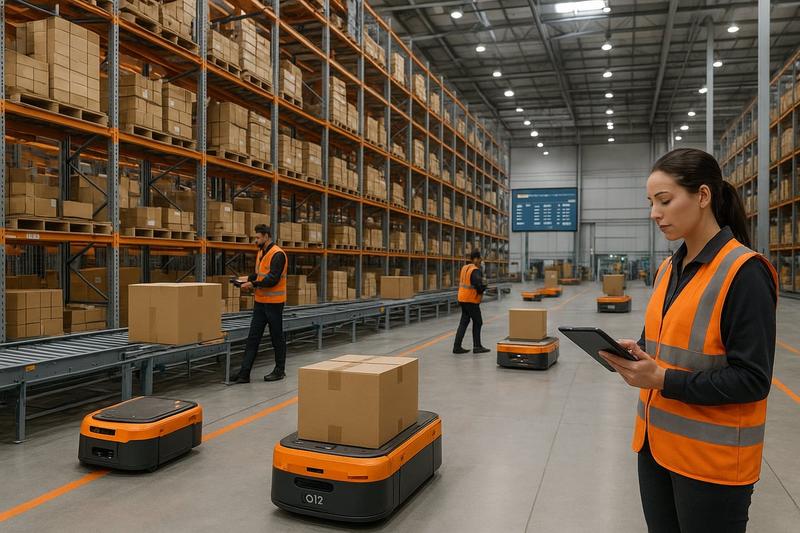
The e-commerce boom is the single most significant driver of change in warehouse operations. With online retail sales reaching record highs, warehouses must process more orders at higher speeds than ever before. However, this surge is happening alongside a pronounced shortage of skilled warehouse staff, with over 70% of facilities reporting hiring challenges. These twin pressures are pushing organisations to adopt warehouse automation solutions that can boost productivity while maintaining service levels.
Lessons from Global Supply Chain Disruptions
Recent years have exposed the fragility of global supply chains. Disruptions from the pandemic, geopolitical tensions, and extreme weather events have highlighted the need for resilient operations. Warehouses have learned that agility and the ability to pivot quickly are critical. As a result, many are investing in warehouse automation solutions that enable flexible workflows and rapid response to shifting demands. According to Warehouse Automation Market Growth Projections, the market is projected to grow at a 15% CAGR through 2031, fuelled by these very challenges.
Operational Challenges: Space, Workforce, and Inventory
Space constraints remain a top concern for warehouse operators. As inventory volumes grow, optimising every square metre is vital. Manual processes often lead to bottlenecks, inefficient picking routes, and increased risk of errors. Managing a diverse and often transient workforce adds further complexity. Inaccurate inventory data can result in stockouts or overstock, directly impacting customer satisfaction. Warehouse automation solutions address these issues by streamlining workflows, reducing manual handling, and enabling real-time inventory visibility.
Sustainability and Regional Responses
Sustainability is now a central pillar of warehouse design and operation. Companies are under pressure to reduce their carbon footprint, minimise waste, and adopt greener practices. In New Zealand and Australia, leading warehouses are integrating energy-efficient robotics, automated packaging systems, and smart lighting. For instance, several large 3PLs in Auckland and Melbourne have implemented warehouse automation solutions that cut energy use and improve space utilisation. These initiatives not only support environmental goals but also enhance operational efficiency.
The Business Case for Flexibility and Resilience
In the face of ongoing uncertainty, flexibility and scalability are non-negotiable. Modern warehouses must be able to scale up or down rapidly, adjust to new product lines, and respond to customer trends. The business case for warehouse automation solutions is clear: they deliver cost savings, mitigate risks from labour shortages, and provide a lasting competitive edge. Investing in automation is not just about survival, but about positioning for growth and resilience in a volatile market.
Core Warehouse Automation Technologies for 2026
Warehouse automation solutions are rapidly advancing, offering a toolkit of cutting-edge systems for the modern logistics landscape. In 2026, businesses seeking efficiency, resilience, and scalability will rely on a blend of robotics, intelligent storage, optimised picking, and integrated software. Let us explore these core technologies reshaping warehouse operations.
Robotics and Autonomous Mobile Robots (AMRs)
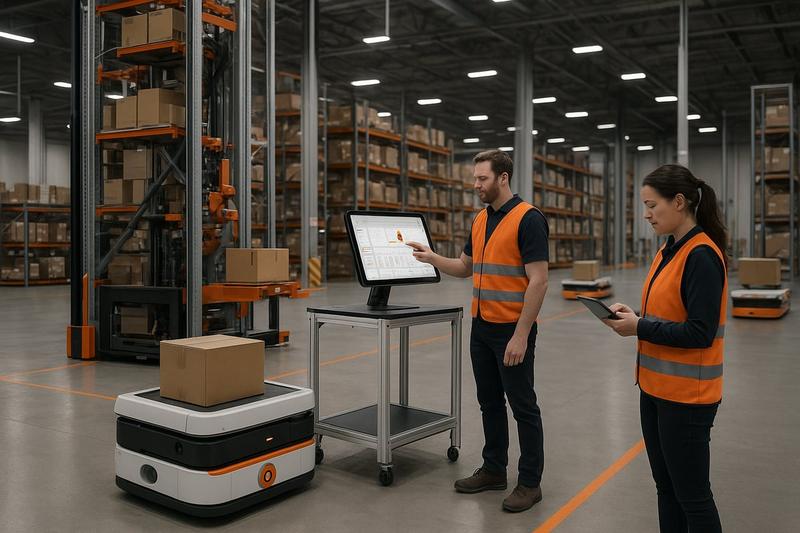
Robotics and AMRs are at the forefront of warehouse automation solutions, driving a shift from manual to automated material transport. These intelligent robots navigate warehouse floors, moving goods between storage, picking, and dispatch zones with precision.
Models like the LD250 and HD-1500 AMRs offer flexible payload handling for diverse goods. Their 360° safety features and adaptability to changing floorplans make them ideal for dynamic environments. In New Zealand, AMRs are increasingly replacing traditional forklifts and fixed conveyors, resulting in safer and more efficient operations.
Adoption rates for AMRs have soared, with industry data showing significant productivity gains. Warehouses report up to 30% improvement in throughput and a notable reduction in space usage due to optimised pathways. AMRs can operate 24/7, minimising downtime and supporting round-the-clock fulfilment.
For a deeper dive into how AMRs are transforming local logistics, see AMRs in warehouse automation. As part of a broader suite of warehouse automation solutions, AMRs are a cornerstone for future-ready operations.
Automated Storage and Retrieval Systems (ASRS)
Automated Storage and Retrieval Systems are another pillar of warehouse automation solutions. ASRS enable high-density storage by automating the movement of goods into and out of racking systems. Whether using 4-way shuttle systems or vertical lift modules, ASRS maximise available space and speed up retrieval times.
In both e-commerce and cold storage, ASRS provide scalability and enhance inventory control. These systems reduce picking errors by automating stock location and retrieval, ensuring the right product is delivered every time.
The backbone of high-throughput operations, ASRS allow warehouses to handle greater volumes without expanding their footprint. Many NZ businesses are leveraging ASRS to achieve cost savings and improve customer satisfaction. By integrating ASRS into their warehouse automation solutions, organisations gain a competitive edge in speed, accuracy, and space optimisation.
Goods-to-Person (G2P) and Pick-to-Light Systems
Goods-to-Person and Pick-to-Light technologies are streamlining order fulfilment in warehouse automation solutions. G2P systems bring items directly to operators at ergonomic workstations, reducing travel time and boosting picking accuracy. This approach is widely adopted in 3PL and FMCG sectors.
Pick-to-light and voice-picking solutions further enhance accuracy, guiding staff with clear, real-time instructions. Data shows that G2P systems can cut picking time by up to 60%, delivering faster order processing and reducing labour requirements.
These systems are designed for scalability, allowing businesses to adjust capacity as demand fluctuates. As part of comprehensive warehouse automation solutions, G2P and pick-to-light technologies empower teams to fulfil orders efficiently and with minimal errors.
Warehouse Management Software and Integration
Warehouse Management Software (WMS) and Warehouse Control Systems (WCS) are essential components of warehouse automation solutions. They orchestrate the flow of goods, integrating seamlessly with robotics, conveyors, and enterprise systems.
With real-time inventory visibility and workflow coordination, WMS enables data-driven decision-making. Integration with automation hardware ensures dynamic response to order volumes and changing priorities.
In 2026, advanced WMS platforms support continuous improvement by providing actionable insights. As warehouse automation solutions evolve, robust software integration will remain crucial for maximising efficiency and maintaining a competitive advantage.
Step-by-Step Guide to Implementing Warehouse Automation
Implementing warehouse automation solutions is a transformative process. A structured approach helps ensure a seamless transition and maximises return on investment. Below, we break down the essential phases for future-proofing your warehouse.
Assessing Current Operations and Setting Objectives
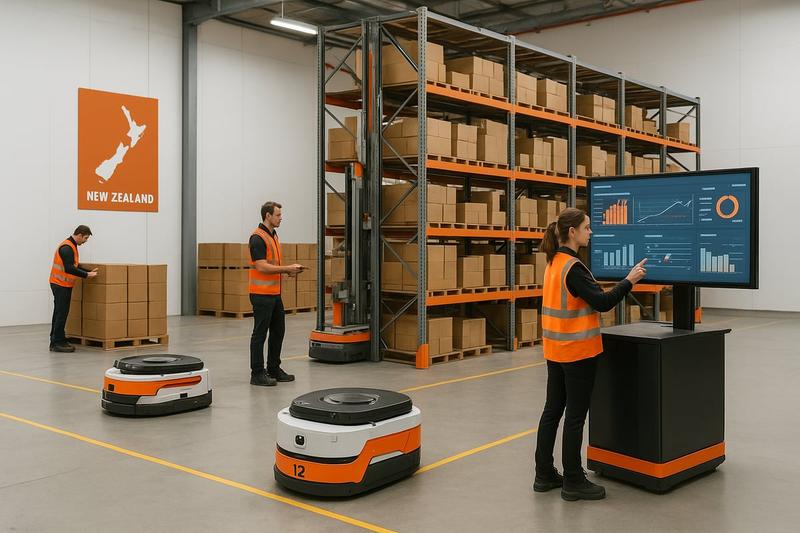
Begin by conducting a comprehensive audit of your facility’s workflow. Map out all manual tasks, bottlenecks, and pain points. This baseline assessment is crucial for identifying where warehouse automation solutions will deliver the most impact.
Engage stakeholders from across the business early in the process. Their insights will help uncover hidden inefficiencies and foster buy-in for the project. Set clear, measurable objectives such as increasing throughput, improving inventory accuracy, or reducing operational costs. Use data from your current systems to quantify targets and track progress.
Change management planning is essential. Prepare your team for the transition by outlining the benefits of warehouse automation solutions and addressing concerns upfront. For example, an NZ manufacturer began with a series of staff workshops, ensuring every department understood how automation would support their roles and business growth.
Solution Design and Technology Selection
Once you have defined your goals, map automation technologies to your business requirements. Consider the full spectrum of warehouse automation solutions, including AMRs, ASRS, goods-to-person systems, and automated conveyors.
Evaluate each option for scalability, modularity, and integration with existing infrastructure. Vendor selection should focus on proven expertise, local support, and the ability to deliver tailored solutions. Develop a shortlist using criteria like system adaptability, support offerings, and future-proof technology.
When considering picking systems, review a range of essential order picking system options to ensure alignment with your operational needs. For example, a cold storage logistics provider in Australia designed a custom conveyor solution, optimising throughput and maintaining strict temperature controls.
System Integration and Deployment Planning
Develop a phased implementation roadmap to guide your deployment. Start with pilot projects to validate warehouse automation solutions in a controlled environment. This approach limits disruption and provides valuable insights for wider rollout.
Plan for integration with legacy systems and ensure robust data migration protocols are in place. Train staff thoroughly on new technologies to build confidence and competence. Safety and compliance must remain top priorities throughout deployment.
A leading 3PL provider in New Zealand used a staged approach for AMR adoption, beginning in low-risk zones before scaling up. This allowed them to refine workflows, address technical issues, and ensure seamless collaboration between automated and manual processes.
Measuring Success and Continuous Improvement
Define clear KPIs from the outset, such as order accuracy, cycle time, and labour savings. Use analytics dashboards to monitor performance in real time, enabling quick adjustments and informed decision-making. Warehouse automation solutions should deliver measurable improvements in these areas.
Gather feedback from floor staff and supervisors regularly. Their input will highlight areas for further optimisation and help build a culture of continuous improvement. Scale up successful strategies and adjust workflows as business needs evolve.
In a high-volume distribution centre, iterative improvements to picking and storage processes led to a 25 percent increase in productivity. By consistently refining their warehouse automation solutions, the operation stayed ahead of demand, maintained accuracy, and supported ongoing growth.
Automate-X: Your Partner in Warehouse Automation
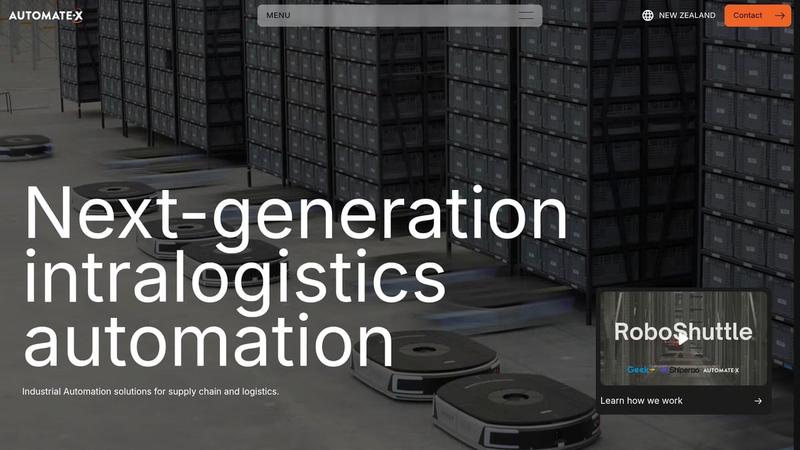
In the rapidly evolving landscape of warehouse automation solutions, Automate-X stands out as a trusted partner for New Zealand and Australian businesses. With a strong focus on innovation and customer success, Automate-X delivers intelligent automation tailored to the unique needs of logistics, manufacturing, e-commerce, and more.
Comprehensive Warehouse Automation Solutions
Automate-X offers a full suite of warehouse automation solutions, designed to boost productivity and streamline operations. Their core offerings include:
- Goods-to-Person automation explained systems
- Automated Storage and Retrieval Systems (ASRS)
- Custom conveyors and sortation
- Automated packaging solutions
- Industrial robotics and AMRs
- Integrated warehouse management software
These technologies address pressing challenges such as labour shortages, rising operational costs, and the demand for flexible, scalable systems.
Industry Expertise and Real-World Impact
Serving a broad range of industries, Automate-X supports logistics providers, 3PLs, e-commerce, FMCG, food and beverage, pharmaceuticals, and cold storage facilities. Their warehouse automation solutions are known for improving accuracy, optimising space, and enhancing safety across complex environments.
Real-world projects have delivered measurable gains, such as reducing manual handling, increasing order throughput, and enabling 24/7 operations. Clients report significant improvements in inventory control and employee satisfaction after automation deployment.
Why Choose Automate-X?
Automate-X sets itself apart through custom engineering, end-to-end integration, and dedicated local support. Their future-proof warehouse automation solutions ensure businesses remain competitive as technology evolves.
If you are ready to transform your warehouse, consult with Automate-X for a tailored strategy that aligns with your operational goals. Their expertise and commitment to innovation make them the go-to partner for sustainable, scalable automation.
Maximising ROI and Business Value from Automation
Maximising the return on investment (ROI) from warehouse automation solutions is a priority for businesses seeking to streamline operations and remain competitive. As automation technology advances, the ability to achieve measurable business value is more accessible than ever. The right approach ensures not only cost savings but also long-term resilience and adaptability in your supply chain.
5 Ways of Warehouse Automation Explained | Warehouse Automation Solutions and Systems | AMR AGV RFID
Calculating Total Cost of Ownership & ROI
To accurately assess the ROI of warehouse automation solutions, businesses must look beyond initial capital outlay. The total cost of ownership (TCO) includes hardware, software, system integration, and ongoing maintenance. Factor in training for staff, upgrades, and support contracts.
Short-term ROI is often seen in reduced labour costs and fewer picking errors. Over the long term, benefits such as increased throughput, lower operating costs, and improved customer satisfaction emerge. For example, investments in Automated Storage and Retrieval Systems frequently deliver significant savings by maximising space and reducing manual handling. When evaluating ROI, consider both direct and indirect impacts across your operation.
Real-World ROI: A NZ Logistics Case Study
Consider the experience of a leading New Zealand logistics provider that implemented AMR and ASRS solutions. Within the first year, the company saw a 30% reduction in order cycle time and a 25% decrease in operational costs. Labour redeployment allowed staff to focus on higher-value tasks, further increasing productivity. These outcomes demonstrate that well-chosen warehouse automation solutions can generate payback within two to three years, according to industry benchmarks.
Strategies for Maximising Value
Unlocking the full value of warehouse automation solutions requires a strategic approach. Start with modular upgrades that allow for phased adoption and scalable growth. Upskill your workforce to operate and maintain new systems, ensuring staff remain engaged and your investment is protected.
Redesign workflows to eliminate redundant steps and optimise the interaction between humans and machines. Use analytics to monitor performance and identify further opportunities. According to the 2026 Warehouse Automation Trends Analysis, the convergence of AI, robotics, and software will drive continuous improvement and enable agile responses to shifting market demands.
Risk Mitigation, Analytics, and Pitfalls
Risk mitigation is crucial when deploying warehouse automation solutions. Address potential downtime by scheduling preventative maintenance and maintaining a robust support network. Cybersecurity should be a top priority, with regular audits and secure data protocols in place.
Leverage real-time dashboards and analytics to extract ongoing value and quickly respond to anomalies. Avoid common pitfalls such as underestimating the need for change management or over-customising systems beyond what is maintainable. Focus on solutions that are adaptable and supported by reliable partners. By following these principles, businesses can enhance resilience, ensure ROI, and future-proof their operations with warehouse automation solutions.
Future Trends and Innovations in Warehouse Automation
The landscape of warehouse automation solutions is evolving rapidly, with new technologies reshaping the future of logistics. As we look ahead to 2026, innovation is set to accelerate, opening new opportunities for efficiency, sustainability, and resilience. To stay ahead, businesses must keep an eye on the trends shaping warehouse automation solutions and adapt their strategies to remain competitive. For a comprehensive overview of these trends, see the Key Warehouse Automation Trends in 2026.
Human-Robot Collaboration and Cobots
Human-robot collaboration is fast becoming a cornerstone of warehouse automation solutions. Collaborative robots, or cobots, are designed to work safely alongside people, handling repetitive or strenuous tasks such as order picking and packing.
A leading example is the Mobile Manipulator (MoMa), which uses advanced 3D vision to locate and pick items flexibly. These cobots can work in dynamic environments, adapting to changing workflows and supporting human workers rather than replacing them.
Recent industry data shows cobot adoption rates are climbing, especially in logistics and e-commerce operations. The benefits include enhanced workplace safety, increased flexibility in task assignment, and a measurable boost in productivity.
For warehouses facing ongoing labour shortages, integrating cobots within warehouse automation solutions offers a practical path to scalable growth. By combining human intuition with robotic consistency, businesses can tackle complex fulfilment challenges with confidence.
AI, Machine Learning, and Predictive Analytics
Artificial intelligence is revolutionising warehouse automation solutions by enabling smarter, data-driven decision making. AI-driven optimisation can improve picking routes, forecast demand, and even predict equipment maintenance needs.
Machine learning algorithms adapt to real-time data, identifying patterns and anomalies to streamline workflows. For example, predictive maintenance powered by AI reduces unexpected downtime in automated facilities, resulting in significant cost savings.
A recent study highlighted that AI and machine learning can cut order cycle times by up to 20 percent. These technologies are also central to continuous improvement initiatives, allowing warehouses to fine-tune processes as business needs evolve. To explore more about these innovations, visit Top Warehouse Automation Trends to Watch in 2026.
As warehouse automation solutions become more intelligent, the focus shifts from basic automation to optimisation and adaptability. This transformation empowers logistics teams to respond quickly to market changes and customer expectations.
Sustainability and Green Automation
Sustainability is now an essential consideration in warehouse automation solutions. Energy-efficient robotics, smart lighting, and automated packaging systems are helping warehouses reduce their environmental footprint.
For instance, automated inventory control minimises excess stock and limits waste, while smart packaging machines ensure materials are used efficiently. In New Zealand, several warehouses have adopted green logistics initiatives, such as solar-powered conveyor systems and automated recycling stations.
A recent industry report found that implementing sustainable automation technologies can lower energy consumption by up to 30 percent. These measures not only support environmental goals but also drive operational cost savings.
Embracing green automation within warehouse automation solutions is no longer optional for future-focused businesses. It is a strategic move that aligns with regulatory trends and growing consumer demand for responsible supply chains.
Hyperconnected Supply Chains and IoT
The rise of the Internet of Things (IoT) is transforming warehouse automation solutions into hyperconnected ecosystems. IoT-enabled sensors track assets, monitor conditions, and provide real-time visibility across entire supply chains.
Integration with upstream and downstream partners ensures seamless information flow, improving traceability and compliance. For example, cold storage and pharmaceutical warehouses use IoT to maintain strict temperature controls and ensure product integrity.
A key advantage of hyperconnected warehouse automation solutions is the ability to respond quickly to disruptions. With end-to-end visibility, logistics teams can make informed decisions, reroute shipments, and maintain high service levels.
This connectivity is vital for building resilient operations that can adapt to changing market conditions and regulatory requirements.
The Road Ahead: Preparing for the Next Wave
Looking forward, warehouse automation solutions are steering the industry towards fully autonomous, lights-out warehouses. These facilities operate with minimal human intervention, leveraging advanced robotics, AI, and IoT for maximum efficiency.
To prepare, organisations must invest in upskilling their workforce, ensuring teams can manage and maintain increasingly sophisticated systems. Modular automation and continuous innovation will keep operations agile and future-ready.
Strategic partnerships and collaboration across the technology ecosystem will also be essential for success. By embracing these trends, businesses can unlock the full value of warehouse automation solutions and secure their place at the forefront of logistics innovation.
As we look ahead to 2026, it’s clear that warehouse automation isn’t just a trend—it’s a strategic move for any business aiming to stay competitive and resilient. By embracing robotics, smart software, and integrated systems, you’re not only addressing today’s challenges like labour shortages and rising costs but also setting the stage for long-term growth and flexibility. If you’re ready to take the next step and see how these solutions could transform your operations, I invite you to Explore Automation Solutions. Let’s future-proof your warehouse together.