

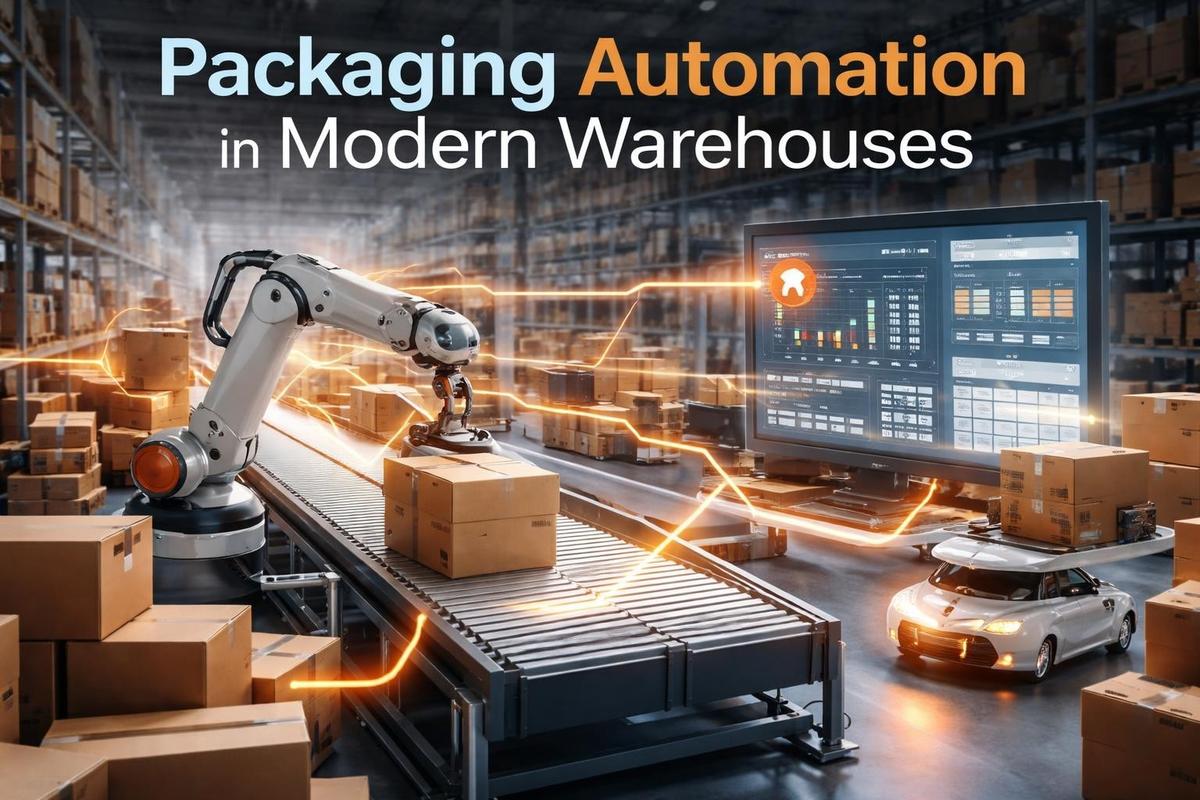
Packaging Automation: Transforming Warehouse Efficiency
Share on
Modern warehouses face mounting pressure to process orders faster, reduce operational costs, and maintain accuracy while scaling operations. Packaging automation has emerged as a critical solution that addresses these challenges head-on, transforming how logistics and distribution centres handle the final stages of order fulfillment. By integrating intelligent machinery, robotics, and software systems into packaging processes, businesses can achieve unprecedented levels of efficiency whilst maintaining the flexibility needed to adapt to changing market demands. This transformation extends far beyond simple mechanisation, incorporating advanced technologies such as machine vision, collaborative robotics, and data-driven quality control systems that work in harmony with broader warehouse automation ecosystems.
The Business Case for Automated Packaging Systems
The financial and operational benefits of packaging automation are substantial and measurable. According to recent market analysis, automated packaging systems can increase production speeds by up to 300%, reduce labour requirements by 40-60%, and decrease packaging errors by more than 75%. These improvements translate directly into competitive advantages for businesses operating in fast-paced logistics environments.
Cost reduction remains one of the most compelling drivers for adoption. Manual packaging operations require significant labour investment, with repetitive tasks leading to fatigue, inconsistency, and higher error rates during peak periods. Automated systems maintain consistent performance regardless of volume fluctuations, eliminating overtime costs whilst improving throughput during high-demand periods.
Return on Investment Considerations
The initial capital investment in packaging automation varies significantly based on system complexity and integration requirements. However, most businesses report payback periods ranging from 18 to 36 months, depending on operational scale and labour costs.

Beyond direct cost savings, automated packaging enhances product protection, reduces material waste through precise application, and improves overall supply chain visibility through integrated tracking systems.

Key Technologies Driving Packaging Innovation
Modern packaging automation systems incorporate multiple advanced technologies that work together to create flexible, intelligent solutions. Understanding these components helps businesses make informed decisions about which systems best suit their operational requirements.
Collaborative Robotics Integration has revolutionised packaging operations by enabling human-robot collaboration in shared workspaces. Unlike traditional industrial robots confined to safety cages, collaborative robots (cobots) can work alongside human operators, handling repetitive packaging tasks whilst employees focus on quality control and exception handling. This flexibility proves particularly valuable for businesses transitioning to industrial automation and robotics without completely redesigning existing workflows.
Machine Vision Systems provide critical quality assurance capabilities within automated packaging lines. These systems verify product placement, detect defects, confirm label accuracy, and ensure packaging integrity before items proceed to dispatch. Real-time inspection capabilities reduce returns, improve customer satisfaction, and maintain brand reputation by preventing defective packages from leaving the facility.
AI-Powered Control Systems optimise packaging operations through continuous learning and adaptation. These systems analyse historical data to predict optimal packaging configurations, adjust material usage based on product characteristics, and schedule maintenance activities to minimise downtime. The integration of artificial intelligence transforms packaging automation from a fixed process into an adaptive system that improves performance over time.
Emerging Technologies Shaping 2026
The packaging automation landscape continues evolving with several technologies gaining prominence:
- Digital twin technology enabling virtual testing and optimisation before physical implementation
- IoT sensors providing granular data on equipment performance, material consumption, and environmental conditions
- Autonomous mobile robots (AMRs) transporting packaged goods between stations without fixed infrastructure
- Cloud-based control systems offering remote monitoring, diagnostics, and over-the-air updates
- Sustainable packaging automation designed specifically for eco-friendly materials and circular economy principles
Integration with Warehouse Management Systems
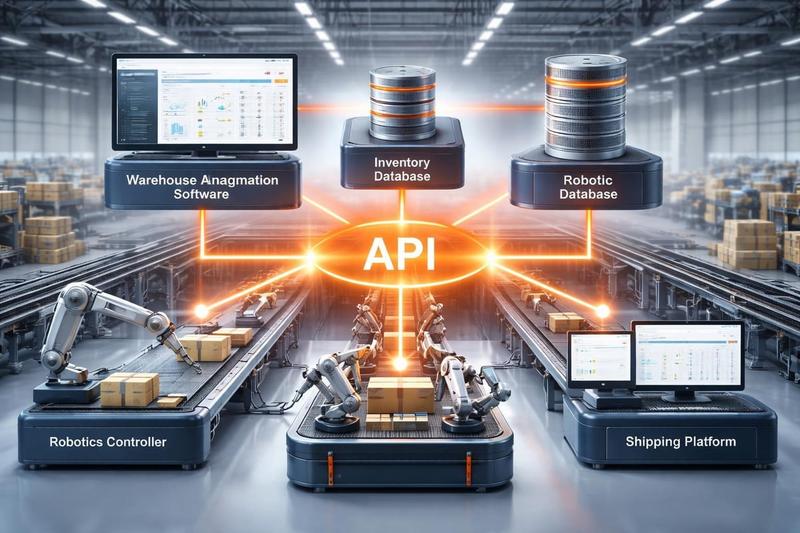
Packaging automation delivers maximum value when seamlessly integrated with broader warehouse automation technologies and management systems. This integration creates a unified ecosystem where data flows between picking, packing, and dispatch operations, enabling real-time decision-making and operational transparency.
Warehouse Management Systems (WMS) serve as the central nervous system, coordinating packaging automation equipment with inventory systems, order management platforms, and shipping carriers. This coordination ensures that packaging materials match product requirements, shipping labels correspond to correct destinations, and tracking information updates automatically as items complete packaging processes.
Real-Time Data Exchange between packaging systems and WMS platforms enables:
- Automatic selection of appropriate packaging materials based on product dimensions and fragility
- Dynamic allocation of orders to packaging stations based on current workload and equipment availability
- Immediate notification of packaging errors or equipment malfunctions requiring intervention
- Continuous tracking of packaging material inventory with automatic reorder triggers
- Performance analytics comparing planned versus actual throughput across shifts and operators
The connection between automated warehouse picking systems and packaging automation creates particularly powerful synergies. Products can move directly from automated storage and retrieval systems to packaging lines without manual handoffs, reducing handling time and minimising damage risk.
Application Across Different Industry Sectors
Packaging automation requirements vary significantly across industries, with each sector demanding specialised solutions tailored to unique product characteristics and regulatory requirements.
E-Commerce and 3PL Operations
E-commerce fulfillment centres and third-party logistics providers face extreme variability in package sizes, shapes, and volumes. Modern packaging automation systems address this challenge through adaptive sizing technology that measures each item and creates custom-fitted packages, reducing material waste and shipping costs whilst improving package presentation.
High-throughput automated packaging lines can process thousands of variable orders daily, automatically adjusting between small parcels for individual items and larger boxes for multi-item orders. Integration with goods-to-person automatios systems creates seamless workflows where products arrive at packaging stations already consolidated and verified.
Food and Beverage Manufacturing
Food and beverage operations require packaging automation that meets strict hygiene standards whilst handling diverse product types. Systems designed for this sector incorporate washdown-rated components, stainless steel construction, and quick-changeover capabilities for different product lines.
Temperature-controlled environments present additional challenges, particularly for cold-storage operations handling perishable goods. Packaging automation designed for these conditions includes insulated components, specialised lubricants, and materials rated for sub-zero temperatures.
Pharmaceutical and Healthcare
Pharmaceutical packaging automation must comply with stringent regulatory requirements including track-and-trace capabilities, tamper-evident sealing, and serialisation. Automated systems provide the consistency and documentation necessary for regulatory compliance whilst reducing contamination risks associated with manual handling.
Vision systems verify correct medication placement, label accuracy, and package integrity before products receive approval for distribution. Integration with enterprise resource planning (ERP) systems ensures complete audit trails documenting every step from production through packaging.
Implementation Strategies for Maximum ROI
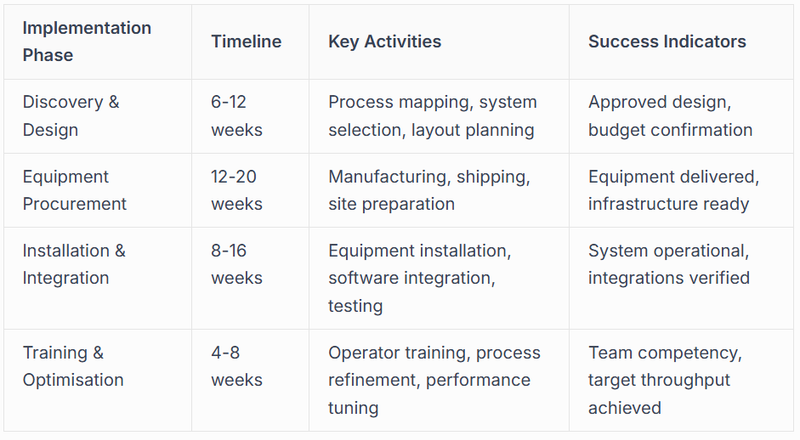
Successful packaging automation implementation requires careful planning, phased deployment, and ongoing optimisation. Businesses that approach automation strategically achieve faster returns and smoother transitions than those pursuing wholesale replacement of existing processes.
Assessment and Planning forms the critical foundation for successful implementation. This phase involves:
- Mapping current packaging workflows and identifying bottlenecks
- Quantifying labour costs, material waste, and error rates under existing processes
- Defining specific performance objectives and success metrics
- Evaluating facility infrastructure including power, space, and environmental controls
- Determining integration requirements with existing warehouse systems
Phased Deployment minimises operational disruption whilst building internal expertise. Starting with a single packaging line or product category allows teams to learn system operation, identify optimisation opportunities, and demonstrate value before expanding automation to additional areas.
Many businesses discover that packaging line automation delivers the greatest impact when combined with complementary technologies such as automated sortation or robotic palletising. This holistic approach creates end-to-end efficiency rather than isolated improvements.
For small to medium-sized businesses uncertain about large-scale automation investments, starting with scalable solutions provides a practical entry point. The Automate-X GTP Starter Grid offers an accessible pathway for businesses beginning their warehouse automation journey, providing goods-to-person capabilities that can extend into packaging operations as requirements grow.

Addressing Common Implementation Challenges
Despite the clear benefits, businesses often encounter obstacles during packaging automation projects. Understanding these challenges and planning mitigation strategies increases implementation success rates.
Existing Infrastructure Limitations frequently constrain automation possibilities. Older facilities may lack adequate electrical capacity, floor loading capabilities, or ceiling heights required for modern packaging systems. Conducting thorough site surveys before equipment selection prevents costly surprises and identifies necessary facility modifications.
Workforce Concerns around job displacement can create resistance to automation initiatives. Transparent communication about how automation changes rather than eliminates roles helps ease transitions. Many businesses discover that automation creates opportunities for employees to move into higher-skilled positions involving system operation, quality assurance, and continuous improvement activities.
Integration Complexity with legacy systems poses technical challenges for many organisations. Modern packaging automation platforms support various communication protocols and integration methods, but coordinating data exchange between multiple systems requires careful planning. Working with experienced system integration specialists streamlines this process and ensures reliable operation.
Change Management Best Practices
Successful automation projects incorporate structured change management:
- Involve operators and supervisors in system selection and design decisions
- Provide comprehensive training programs before go-live dates
- Establish clear escalation procedures for technical issues during early operation
- Create feedback mechanisms allowing frontline workers to suggest improvements
- Celebrate milestones and share performance improvements with the entire team
Future Trends Shaping Packaging Automation
The packaging automation sector continues evolving rapidly, with several trends poised to transform operations over the coming years. Understanding these developments helps businesses plan investments that remain relevant as technology advances.
Modular Automation Systems represent a significant shift from monolithic packaging lines toward flexible, reconfigurable equipment. These systems consist of standardised modules that can be rearranged, expanded, or replaced independently, providing adaptability as product portfolios and volume requirements change. Industry analysis for 2026 highlights modularity as a key driver of automation adoption among businesses seeking future-proof investments.
Sustainability-Focused Solutions address growing environmental concerns and regulatory requirements. Next-generation packaging automation systems optimise material usage, accommodate recycled and biodegradable materials, and reduce energy consumption through intelligent power management. Some systems now incorporate machine learning capabilities that continuously refine packaging parameters to minimise environmental impact whilst maintaining protection standards.
Advanced Analytics and Predictive Maintenance transform packaging equipment from reactive maintenance models to proactive intervention strategies. Sensors monitor vibration, temperature, power consumption, and other operational parameters, detecting anomalies that indicate impending failures. This predictive approach reduces unplanned downtime, extends equipment lifespan, and optimises maintenance resource allocation.
According to recent packaging automation trends, the convergence of these technologies creates intelligent packaging ecosystems that self-optimise, self-diagnose, and adapt to changing operational requirements with minimal human intervention.
Measuring Packaging Automation Performance
Establishing clear performance metrics enables businesses to quantify packaging automation benefits, identify improvement opportunities, and justify ongoing investments. Effective measurement frameworks balance operational efficiency indicators with quality metrics and financial performance.
Operational Efficiency Metrics provide immediate feedback on system performance:
- Throughput rate: packages processed per hour across different product categories
- Uptime percentage: operational time versus total scheduled time, excluding planned maintenance
- Changeover time: duration required to switch between different packaging configurations
- Material utilisation rate: percentage of packaging materials used versus wasted
- Labour productivity: packages processed per operator hour in hybrid automated/manual environments
Quality and Accuracy Indicators measure how effectively automation maintains standards:
- Defect rate: percentage of packages failing quality inspections
- Rework percentage: packages requiring reprocessing due to errors
- Damage rate: products damaged during automated packaging processes
- Label accuracy: percentage of packages with correct shipping labels and documentation
- Customer complaint rate: returns or complaints related to packaging issues
Financial Performance Measures connect operational improvements to business outcomes:
- Cost per package: total packaging costs divided by packages processed
- Labour cost reduction: savings achieved versus baseline manual operations
- Material cost savings: reduction in packaging material expenses through optimisation
- Return on investment: financial returns compared to automation system costs
- Avoided costs: expenses prevented through error reduction and damage prevention
Regular review of these metrics, ideally through automated dashboards pulling real-time data from packaging systems and warehouse management platforms, enables continuous improvement and rapid response to performance degradation.
Selecting the Right Packaging Automation Partner
Choosing an appropriate automation partner significantly influences implementation success and long-term satisfaction. The ideal partner brings technical expertise, industry experience, and ongoing support capabilities that extend well beyond initial installation.
Relevant Industry Experience ensures the partner understands sector-specific challenges and regulatory requirements. A provider with proven success in similar operations brings valuable insights about effective system configurations, common pitfalls, and realistic performance expectations. Reviewing case studies and requesting references from comparable businesses provides confidence in capability claims.
Integration Capabilities matter tremendously when packaging automation must work within existing warehouse ecosystems. Partners should demonstrate experience integrating packaging systems with various WMS platforms, robotics controllers, and enterprise software. This expertise prevents integration issues that derail projects and compromise performance.
Service and Support Infrastructure determines how quickly problems get resolved and how effectively systems get optimised over time. Evaluate partners based on:
- Local service presence with technicians who can respond rapidly to issues
- Remote diagnostic capabilities enabling quick troubleshooting without site visits
- Training programs that build internal capability for routine maintenance and operation
- Spare parts availability ensuring minimal downtime during component failures
- Software update processes that enhance functionality and address emerging requirements
Scalability and Growth Support becomes critical as business volumes expand or product lines diversify. Partners should offer clear pathways for expanding automation capabilities, whether through additional modules, upgraded software, or new equipment that integrates seamlessly with existing installations. Businesses exploring automated warehouse systems benefit from partners who can coordinate packaging automation with broader warehouse modernisation initiatives.
The partnership approach matters as much as technical capability. Look for providers who invest time understanding unique operational requirements, propose tailored solutions rather than standard packages, and demonstrate commitment to long-term relationships through transparent communication and collaborative problem-solving.
Packaging automation represents a strategic investment that transforms warehouse operations through improved efficiency, reduced costs, and enhanced scalability. As businesses face increasing pressure to process higher volumes with greater accuracy, automated packaging systems provide the capability and consistency required to meet these demands whilst maintaining operational flexibility. Automate-X combines cutting-edge robotics, intelligent software, and comprehensive system integration expertise to deliver packaging automation solutions tailored to your specific operational requirements, helping logistics and supply chain businesses achieve measurable productivity gains and sustainable competitive advantages.